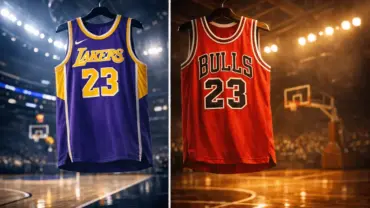

TIME Magazine published its inaugural TIME100 Sports list this week, naming LeBron James the sole cover star and designating him “Athlete of the Century” – a label that landed alongside the full roster of Shohei Ohtani, Caitlin Clark, and Lionel Messi in the list’s “Icons” category and immediately detonated a debate that extends well past sports media. This is not just a magazine publishing a ranked list. This is the formal institutional acknowledgment that sports has become its own cultural vertical – significant enough to warrant 100 dedicated names, a standalone gala, and a cover designation that will generate arguments for months.
The mechanics of why this particular combination of names amplifies so far beyond any single sport’s core audience are worth laying out precisely.
Time100 Most Influential In Sports List
TIME has included athletes in its flagship TIME100 list since 1999, slotting a handful of sports figures into broader categories alongside politicians and entertainers each year. For 2026, the publication created an entirely separate, dedicated sports edition – 100 names organized into 4 categories: “Icons,” “Titans,” “Innovators,” and “Leaders.” The list was edited by Lori Fradkin, Cate Matthews, and Mark Selig.
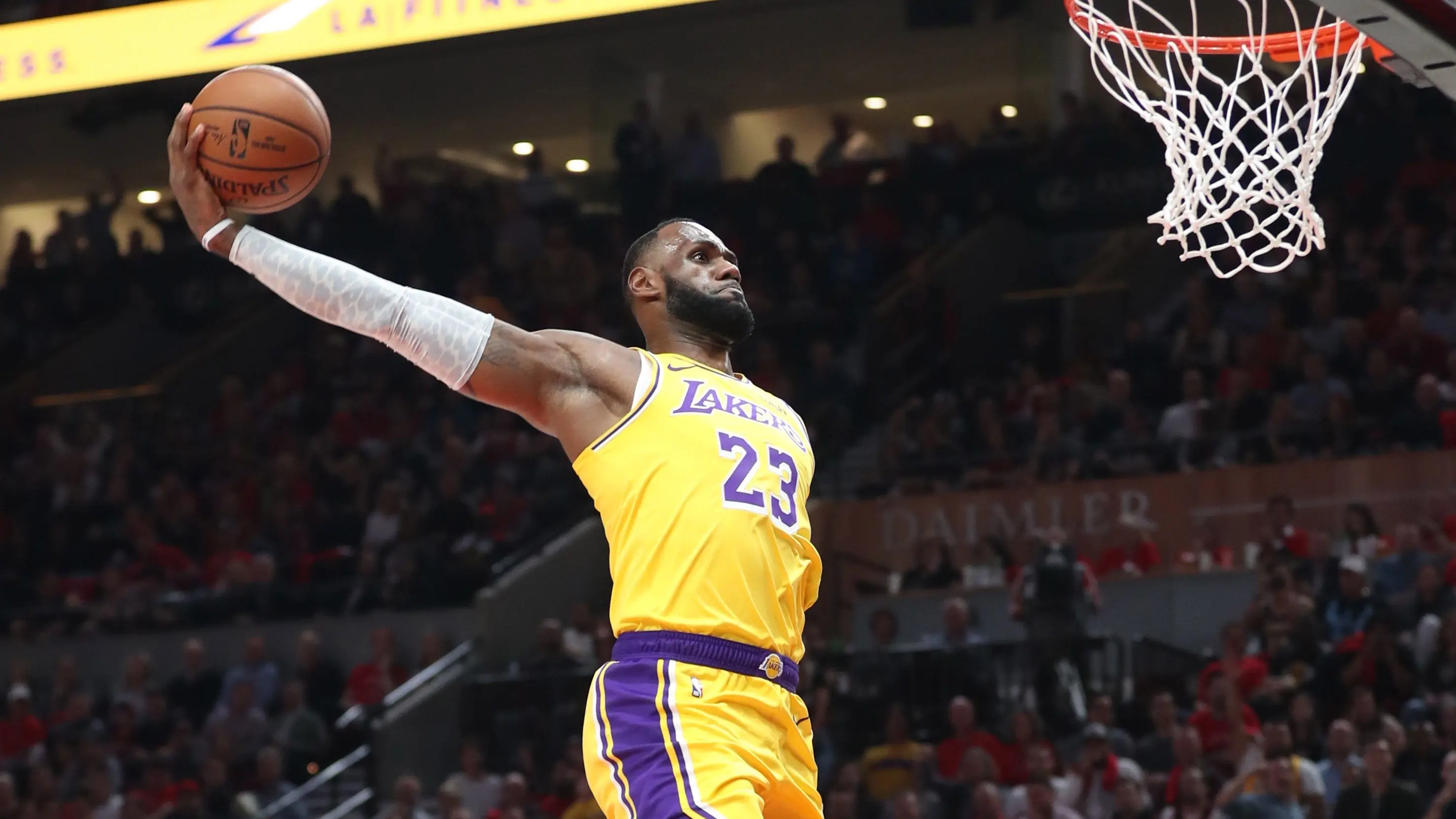
LeBron James earned the cover and the “Athlete of the Century” designation. TIME editor in chief Sam Jacobs wrote about James: “We call him the athlete of the century not solely because of his on-court achievements, but also because over his career, he has redefined what it means to be a professional athlete in public life. Through his political engagement and business efforts, James has set a new standard for the generations that follow.” Ohtani, Clark, and Messi joined James in the “Icons” tier.
The “Titans” category added more globally recognized names including Cristiano Ronaldo, Stephen Curry, Rory McIlroy, and A’ja Wilson. The “Innovators” and “Leaders” categories extended the list beyond on-field performance into media, business, and governance – featuring figures like Roger Goodell, Bill Simmons, Pat McAfee, Shams Charania, Washington Spirit owner Michele Kang, and Nets co-owner Clara Wu Tsai.
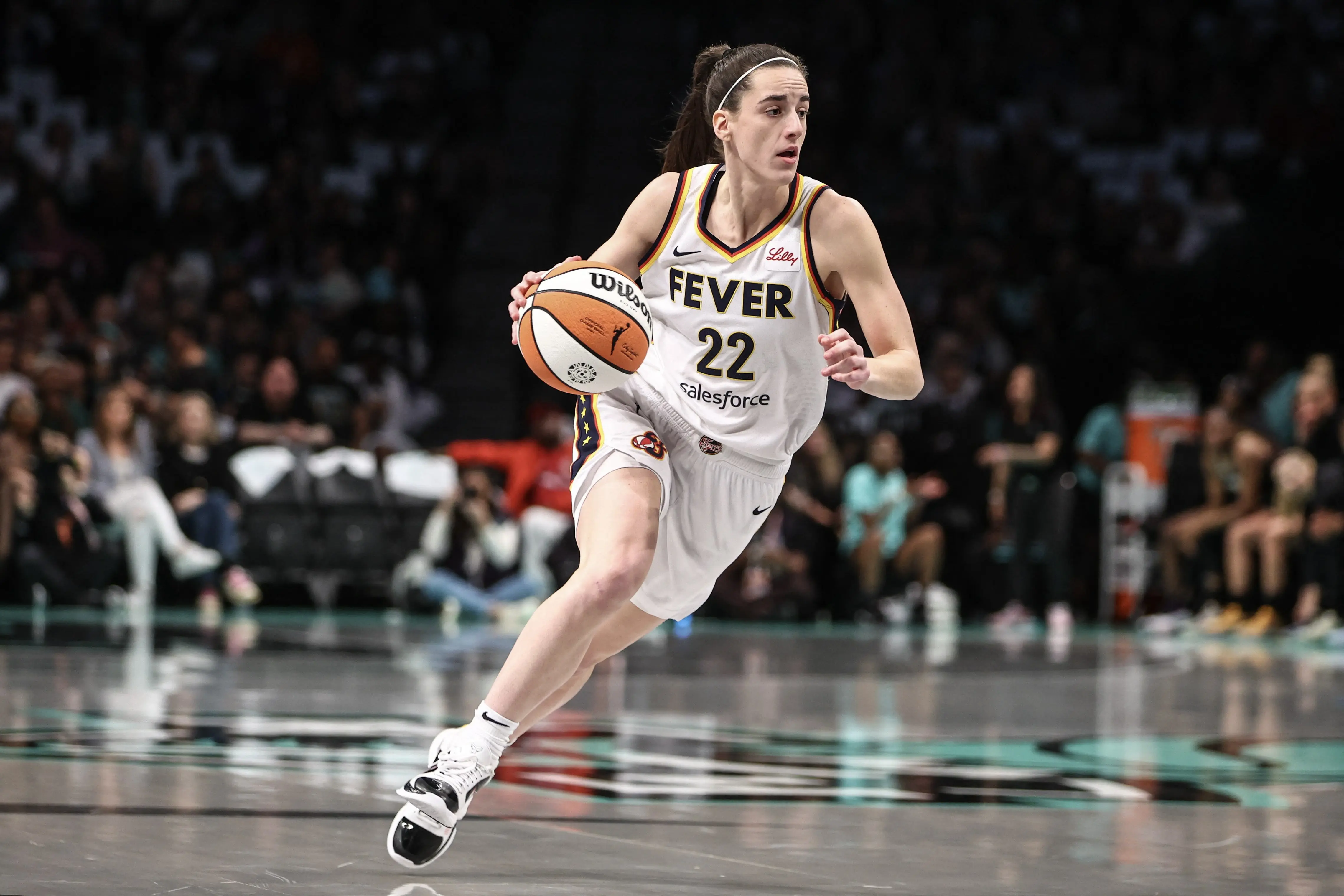
Several honorees arrived on the strength of the 2026 Winter Olympics in Milan. Skier Mikaela Shiffrin won gold. Hockey players Hilary Knight and Jack Hughes won golds in the women’s and men’s tournaments respectively. Speed skater Jordan Stolz collected 2 gold medals and 1 bronze. College football coach Curt Cignetti was recognized after guiding Indiana to its first-ever national title. Clark, meanwhile, is averaging 18.7 points and 7.9 assists through 10 games of her second WNBA season despite an injury-interrupted start – and remains, by any measurable metric, the player generating more discourse than any other in the WNBA.
TIME will stage the first-ever TIME100 Sports Gala in New York City on July 16, positioning this list as an annual benchmark rather than a one-time project.
LeBron, Clark, Messi, and Ohtani – Why This Combination Has This Kind of Pull
The 4 names headlining the “Icons” category are not interchangeable presences. Each one is a structural distribution engine aimed at a fundamentally different audience community – and that non-overlap is precisely why this list travels as far as it does.
LeBron James is the anchor. His audience is not primarily an NBA audience – it is a cultural audience that uses basketball as an entry point. The reach LeBron demonstrated by contacting Nelly Korda after her U.S. Women’s Open win is the same structural dynamic at work here: James operates across sport lines in a way no active athlete matches. His “Athlete of the Century” designation activates not just basketball fans but anyone who has watched him engage with politics, business, media, and celebrity culture for two decades. That is not an NBA story. That is a 21st-century American cultural story.
Caitlin Clark activates a structurally different lane. Her audience includes core WNBA followers, but more significantly, it includes the casual sports fan – particularly women between 18 and 45 – who entered women’s basketball for the first time in 2024 and have stayed. Her ability to generate viral moments and mainstream conversation even in an injury-shortened season confirms that her influence is not performance-dependent. It is presence-dependent. That is not a conventional sports metric. That is a celebrity-class dynamic inside a sports uniform.
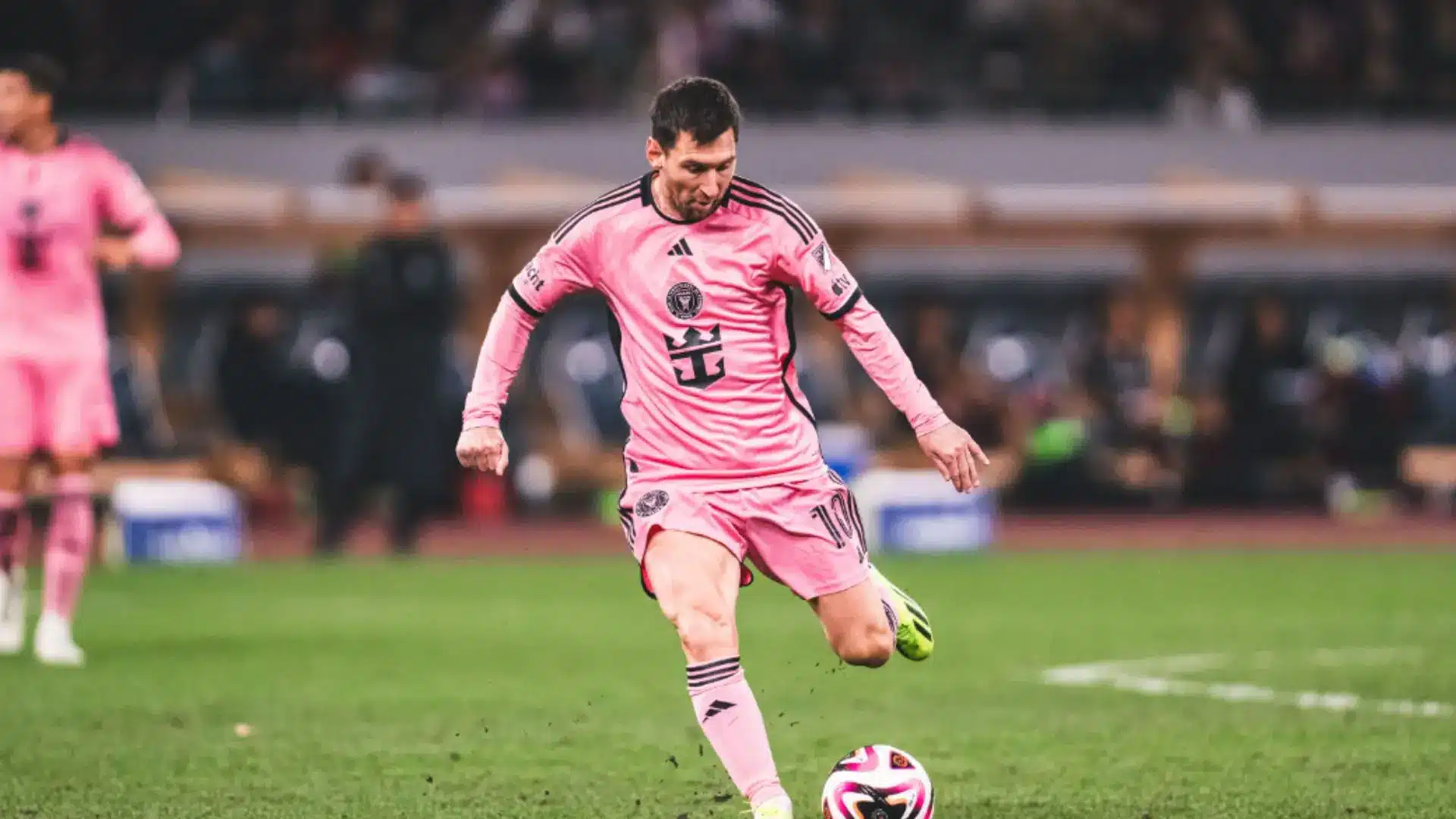
Lionel Messi carries the international distribution weight that no North American athlete can replicate. His audience spans Europe, South America, and Southeast Asia in a way that makes the rest of this list look geographically local by comparison. With the 2026 World Cup approaching and Messi’s tournament prospects generating significant betting and fan attention, his inclusion on this list lands at a structurally significant moment – he is not a nostalgia pick. He is an active story.
Shohei Ohtani closes the loop on international reach, specifically activating the Japanese sports audience and the broader baseball-following world that MLB has spent years trying to convert into consistent engagement. His $700 million contract, his continued on-field dominance with the Los Angeles Dodgers, and his status as Japan’s most globally famous active athlete make him a distribution engine that operates almost entirely outside the lanes activated by the other 3 names on this cover.
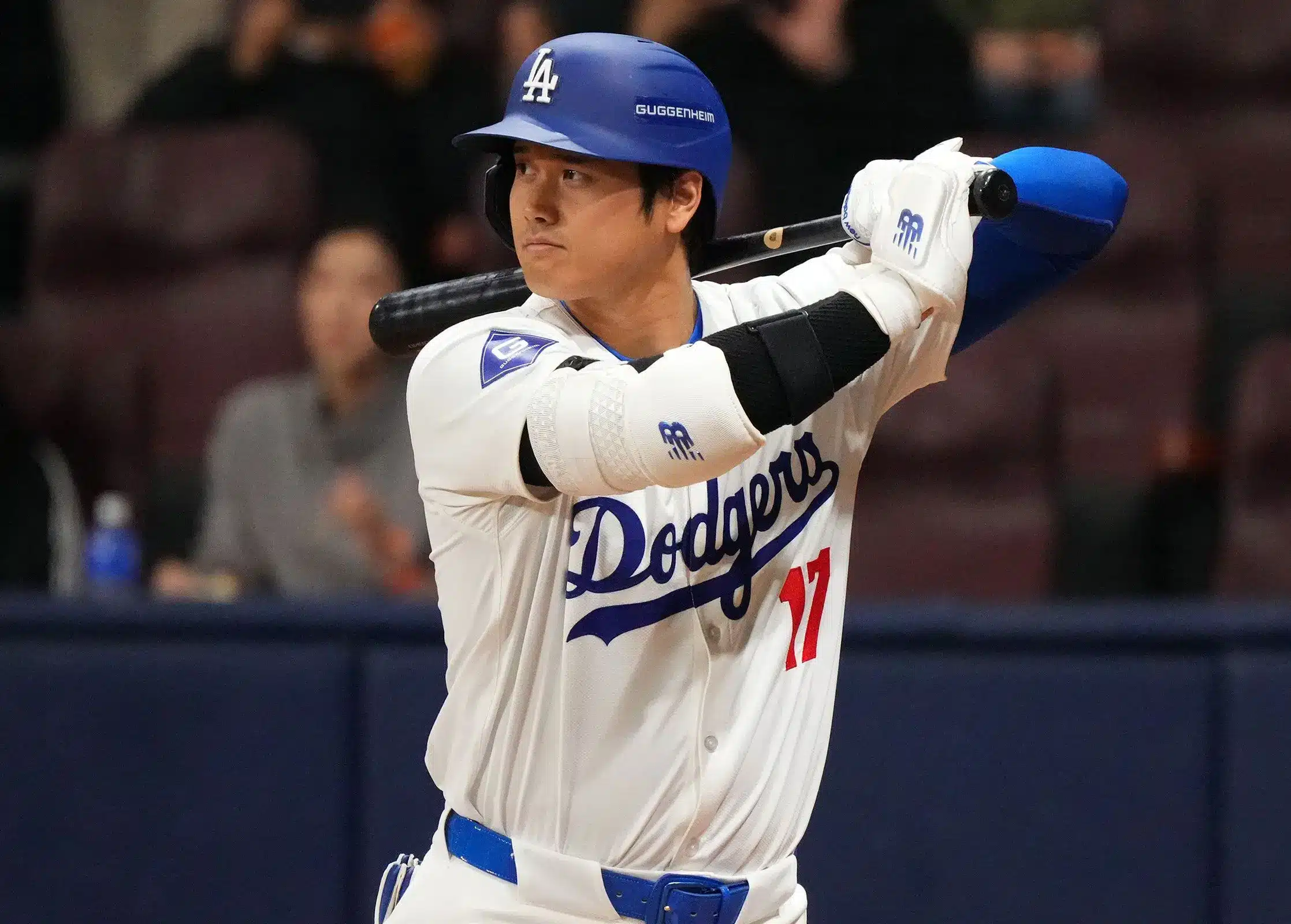
That is not 4 famous athletes on a list. That is 4 separate audience ecosystems with minimal overlap all receiving the same cultural signal simultaneously.
The Social Mechanics – Why This Travels Beyond the Core Audience
At least 4 distinct audience communities are activated by this story, and they do not significantly overlap in their normal consumption habits. The compound reach effect is what makes this list – and specifically this combination of names – structurally different from a standard sports ranking.
First: the core sports audience. NBA, WNBA, MLB, and soccer fans engage with this list as a debate prompt. LeBron vs. Jordan for “Athlete of the Century” is the kind of argument that drives engagement for weeks across every platform that trades in sports opinion. This lane is predictable and substantial but not the one that extends reach furthest.
Second: the pop-culture and general entertainment audience. LeBron and Clark in particular cross into this lane cleanly – both have presences in mainstream media, advertising, and public discourse that reach consumers who do not regularly follow game-level sports coverage. This audience shares the story because the names are familiar, not because they track WNBA statistics.
Third: the international audience. Messi and Ohtani pull this lane. In Japan, South America, and across Europe, a major American publication formally designating these athletes as among the world’s most influential figures in sports is a shareable, translatable moment that spreads through non-English language platforms and media ecosystems entirely outside the story’s origin point.
Fourth: the sports-business and media industry audience. The inclusion of executives, owners, broadcasters, and agents on a list historically reserved for on-field achievement is a significant structural statement. Sports Business Journal framed the debut as recognition that “sports has become a dominant strand of global culture.” This lane – analysts, agents, investors, media professionals – shares the list as an industry document, not a fan document.
Total reach here is multiplicative, not additive. Each community shares the story for a different reason, through different platforms, to audiences the other communities are not reaching. That is the compounding effect in operation.
What’s Confirmed and What Isn’t on the TIME100 Sports List
What is confirmed: TIME Magazine published its inaugural TIME100 Sports list in June 2026; LeBron James is the cover star and received the “Athlete of the Century” designation from editor in chief Sam Jacobs; LeBron James, Shohei Ohtani, Caitlin Clark, and Lionel Messi are all listed in the “Icons” category; the list includes 100 names across 4 categories covering athletes, coaches, executives, broadcasters, and agents; the TIME100 Sports Gala is scheduled for July 16 in New York City; Caitlin Clark is averaging 18.7 points and 7.9 assists through 10 games of her second season; Jordan Stolz, Mikaela Shiffrin, Hilary Knight, and Jack Hughes all appear on the list following their 2026 Winter Olympics performances; Curt Cignetti was included following Indiana‘s first-ever college football national title.
What is not confirmed: the specific criteria TIME used to weight athletic achievement against business or cultural influence in making selections; whether the “Athlete of the Century” label reflects a formal editorial position or is specific to the inaugural edition framing; which honorees will appear at the July 16 gala; and how the list’s rankings or tier assignments will be structured in future years as the franchise develops.
The cultural impact of the list’s publication – and particularly the “Athlete of the Century” framing around LeBron – is real and already in motion regardless of any unconfirmed methodology details.
What to Watch Next After the Time100 Sports List
Watch specifically for the public responses from the named honorees, particularly LeBron James and Caitlin Clark. James’s reaction to the “Athlete of the Century” label – whether he embraces it, deflects it, or uses it to elevate teammates and contemporaries – will be the next shareable moment this story generates. Clark’s visibility during her current injury-affected season means any acknowledgment she makes of the recognition lands in a context her audience is already watching closely.
Watch whether the TIME100 Sports Gala on July 16 produces the kind of red-carpet, crossover-celebrity coverage that TIME‘s main gala generates. If it does, the list transitions from a media story into an annual cultural event with its own distribution infrastructure – which substantially increases the stakes for future inclusions and exclusions.
Watch whether the debate around LeBron‘s “Athlete of the Century” designation draws formal responses from the Jordan, Serena Williams, or Tiger Woods camps, or from those athletes themselves. That is not a speculative outcome. It is the base case for how this particular framing plays out over the next several news cycles.
For the latest on LeBron James, Caitlin Clark, Lionel Messi, Shohei Ohtani, and everything at the intersection of sports and culture, keep it locked to Sportscasting.com.