
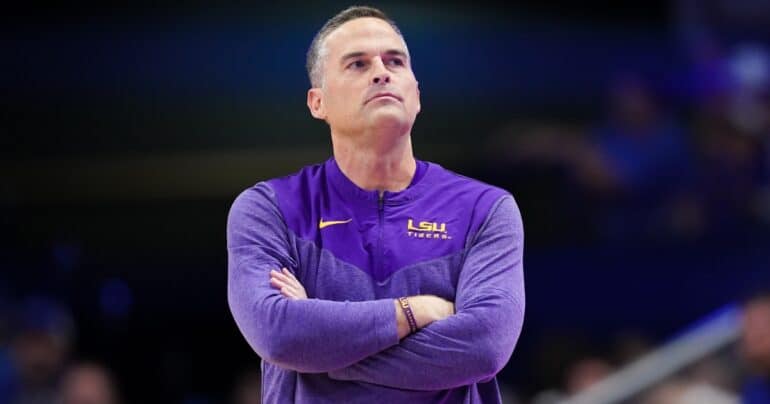
The 2025–26 men’s college basketball season is still young, but pressure is already building for several programs. LSU’s Matt McMahon and Arizona State’s Bobby Hurley headline the list of coaches with little margin for error after disappointing campaigns that left fanbases restless. Below is a closer look at the market odds and the leading candidates for the first pink slip of the season.
First College Basketball Coach Fired Odds
| Coach | School | Probability | Odds |
|---|---|---|---|
| Matt McMahon | LSU | 22.2% | +350 |
| Bobby Hurley | Arizona State | 20.0% | +400 |
| Shaheen Holloway | Seton Hall | 14.3% | +600 |
| Mike Young | Virginia Tech | 9.1% | +1000 |
| Adrian Autry | Syracuse | 7.7% | +1200 |
| Earl Grant | Boston College | 6.2% | +1500 |
| Johnny Dawkins | UCF | 5.3% | +1800 |
| Jake Diebler | Ohio State | 4.8% | +2000 |
| Wes Miller | Cincinnati | 4.8% | +2000 |
| Kim English | Providence | 3.8% | +2500 |
| Ron Hunter | Tulane | 3.8% | +2500 |
| George Halcovage | Buffalo | 3.8% | +2500 |
Matt McMahon (LSU), +350 (22.2%)
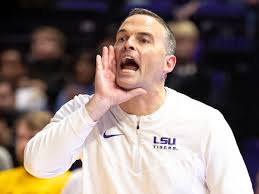
McMahon’s tenure at LSU has entered crisis territory. After three seasons, the Tigers are 45–54 overall and just 14–44 in SEC play, with no postseason appearances. Last season’s 3–15 SEC record underscored just how far the program has slipped since Will Wade’s exit. The team struggled to defend and ranked near the bottom of the conference in scoring and efficiency.
LSU’s administration has so far shown patience, citing the rebuild McMahon inherited, but expectations have shifted. He’s now in Year 4 of a seven-year deal that pays around $2.5 million annually, and insiders describe this as a “make-or-break” season. The buyout is large but not prohibitive, a key factor if another ugly start unfolds.
With early nonconference games against teams LSU should handle, any stumble will magnify calls for change. Boosters expect at least NCAA Tournament contention, and if McMahon opens slow again, he could become the first casualty of the new season.
Bobby Hurley (Arizona State), +400 (20.0%)
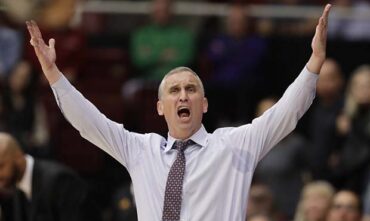
Hurley’s ninth year in Tempe might be his last. Arizona State’s transition to the Big 12 went poorly, ending 13–20 overall and 4–16 in league play. It was one of the worst offensive seasons of his tenure, and his best player’s midseason departure only added to the chaos.
He’s in the final year of his contract, which gives ASU an easy out if things don’t improve quickly. Administrators have long credited Hurley for stabilizing the program post-Sendek, but the results, a single NCAA Tournament win in nearly a decade, no longer justify the stagnation. The fan base has grown apathetic, attendance is slipping, and the schedule is brutal early, featuring Gonzaga and a trip to Maui.
If the Sun Devils start slowly again, especially against nonconference opponents they’re expected to beat, Hurley could be the first coach dismissed. The odds reflect a ticking clock on what was once one of the Pac-12’s most energetic sidelines.
Shaheen Holloway (Seton Hall), +600 (14.3%)
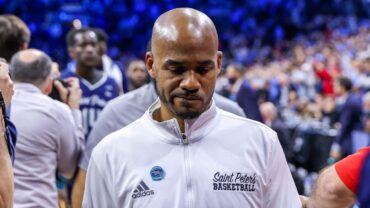
Holloway’s third year at Seton Hall could be his last if results don’t change. The Pirates’ 2024–25 season was disastrous, 7–25 overall, 2–18 in the Big East, and dead last in scoring at 61.6 points per game. It was one of the steepest collapses in program history.
The fan base that once embraced him for his Cinderella run at Saint Peter’s is running out of patience. Seton Hall retooled the roster in the offseason, but the questions remain the same: Where is the offense coming from? Can this team win close games? Another early losing streak against mid-majors would likely spark internal conversations about a change before Christmas.
Even with modest expectations, Seton Hall can’t afford a repeat of last season. Holloway’s defensive focus has yet to produce consistent results, and the school’s willingness to act swiftly keeps him high on this list.
Mike Young (Virginia Tech), +1000 (9.1%)
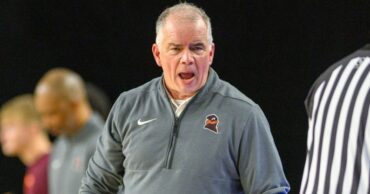
Just three years ago, Young delivered Virginia Tech its first ACC Tournament title. Since then, the slide has been steady and unmistakable. The Hokies finished 13–19 (8–12 ACC) last season, missing the NCAA Tournament for a second straight year and closing with losses in seven of their final nine games.
Recruiting momentum has waned, and the program’s offense, once a calling card, has gone stale. There’s also pressure internally to modernize, with whispers that the administration wants a stronger NIL and transfer portal push. Young’s contract runs through 2027, but a buyout isn’t unmanageable if the decline continues.
The ACC landscape has shifted, and schools are no longer waiting multiple years to make changes. If Virginia Tech stumbles again in nonconference play or sinks below .500 before February, Young could find himself on the wrong end of that trend.
Adrian Autry (Syracuse), +1200 (7.7%)
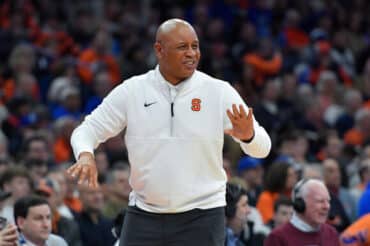
Autry inherited an unenviable task, following Jim Boeheim, but the grace period is over. His second season ended 14–19 (7–13 ACC), Syracuse’s worst record since the late 1960s. The defense, once a hallmark of the program, was a weakness again, and the offense showed little cohesion despite an experienced backcourt.
Entering Year 3, the pressure is obvious. Syracuse expects NCAA relevance, not mediocrity. Local media have described this as a pivotal year, with boosters quietly voicing frustration over the lack of progress. Autry’s buyout offers him some short-term security, but not enough to shield him from a repeat of last year’s struggles.
The Orange have a roster that should win, at least on paper. If they don’t, or if early nonconference games expose the same issues as 2024–25, Autry’s tenure could start looking alarmingly short-lived for a program used to stability on the sideline.