
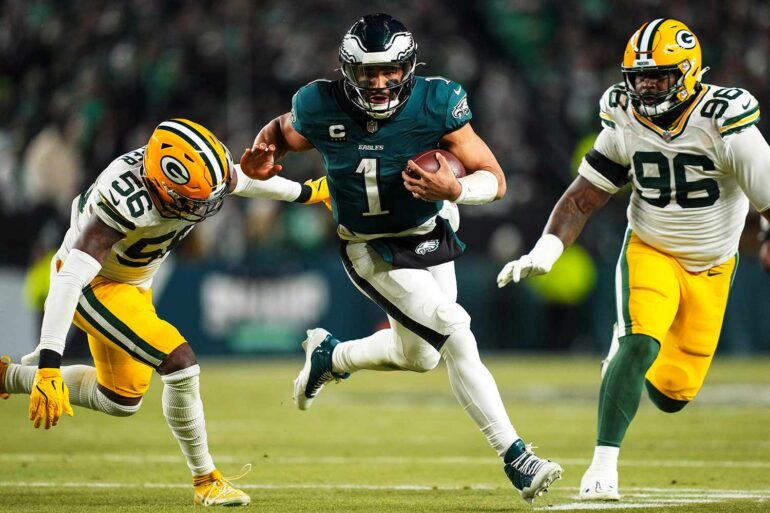
YouTube TV remains unable to reach a carriage agreement with ESPN and Disney, leading to a second-straight Monday Night Football blackout for subscribers.
YouTube TV subscribers were locked out of Monday Night Football coverage yet again, as ongoing negotiations between the streaming service and ESPN/Disney failed to produce a timely agreement.
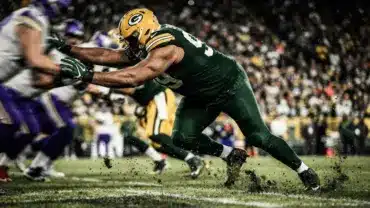
According to reports, YouTube TV customers will receive a credit while ESPN provides alternate viewing options, broadcasting the Philadelphia Eagles vs. Green Bay Packers matchup on ABC alongside their cable channel.
The disruption follows a similar blackout the previous week, leaving fans in a familiar position of seeking workarounds.
I can’t believe we’re heading into a second week — and now an even bigger game with #Eagles–#Packers — and this YouTube TV vs. ESPN carriage dispute still isn’t resolved.
Just unbelievable.
— Ari Meirov (@MySportsUpdate) November 10, 2025
The streaming giant reportedly notified subscribers that they would receive a $20 credit toward future bills if the dispute was not resolved by game time.
ESPN’s decision to simulcast the game signals an effort to maintain viewership and digital momentum despite the distribution breakdown.
What this means for the league, fans, and streaming model
For the NFL and ESPN, this blackout represents a high-profile challenge amid a critical television cycle. Monday Night Football remains a marquee asset, and its limitations through streaming may affect ratings, advertising partners, and long-term access strategies.
The league’s digital transformation is tested when flagship events become inaccessible.
For fans, the situation underscores the fragility of streaming-only access models. Despite paying for a fully featured platform, viewers experienced disruption.
Disney+ / Hulu / ESPN bundle: $35/month NFL Sunday Ticket: $380/season YouTube TV: $83/month RedZone: $15/month
…and still can’t watch Monday Night Football. pic.twitter.com/0LeDGrY0tt— GhettoGronk (@GhettoGronk) November 4, 2025
The channel fee dispute is a reminder that underlying carriage contracts can override convenience and choice, especially during live events.
The dispute also offers a cautionary tale for streaming services and sports leagues alike. As audiences shift to digital delivery, the infrastructure and negotiation mechanisms built for broadcast television still exert control.
The resolution will matter not just for the current game but for how the industry manages live-sport access moving forward.
Access jeopardy highlights live sports streaming risk
The no-access Monday for YouTube TV subscribers goes beyond inconvenience. It presents a strategic inflection point where live-sports distribution collides with streaming economics. For the NFL, it raises questions of reliability and reach.
For viewers, it signals a return to legacy problems that modern media promised to resolve. Until the locked-out fans are made whole and the distribution model stabilizes, Monday nights may remain a reminder of what streaming still cannot guarantee.