
The official Super Bowl halftime show is built around scale and reach. Bad Bunny is expected to run through a hit-heavy setlist drawn from his biggest global tracks, with strong speculation around guest appearances given his long list of crossover collaborators. That’s the backdrop for why this counterprogram even exists.
Against that moment, Turning Point decided to stage its own halftime stream. Not as competition in any real sense, but as a statement. To understand what they’re trying to say, you have to look closely at who they picked.
Turning Point Halftime Show Lineup
THE LINEUP FOR THE ALL-AMERICAN HALFTIME SHOW IS HERE! 🔥
Watch Kid Rock, Brantley Gilbert, Lee Brice, and Gabby Barrett THIS SUNDAY 🇺🇸 pic.twitter.com/xwurEhdB13
— Turning Point USA (@TPUSA) February 2, 2026
The lineup is short, deliberate, and narrowly focused. Four artists have been confirmed:
- Kid Rock – Once a mainstream rock and rap crossover act, now better known for his political positioning than recent music. He’s been a fixture at conservative events for years and is the clear symbolic headliner here.
- Brantley Gilbert – Country rock artist with a loyal fan base, tied closely to themes of small-town identity and blue-collar masculinity. A safe choice for the audience this stream is aimed at.
- Lee Brice – Mainstream country singer with radio success but little relevance outside that lane. Familiar, unchallenging, and recognisable.
- Gabby Barrett – Country pop singer and former American Idol finalist. Her inclusion adds balance to the lineup without changing its overall direction.
This isn’t a booking strategy designed to surprise anyone. It’s designed to reassure.
All American Halftime Show Artists And What They Represent
Every performer on this roster fits inside a narrow cultural frame. Country or country-adjacent. English-language. Familiar to an audience that already feels at home with Turning Point’s messaging.
This is not a lineup built around chart dominance or current momentum. It’s built around identity. The artists function less as musical acts and more as signals, each reinforcing the same idea of what “belongs” on a Super Bowl stage.
Why Turning Point Created A Rival Halftime Show
The creation of this event only makes sense as a reaction. Bad Bunny doesn’t need to say anything overtly political for his presence to feel disruptive to certain viewers. His language, background, and audience already do that work.
Rather than engage with that shift, Turning Point chose separation. A parallel stream. A different room. A lineup that reflects what they believe the halftime show should look like, even if that vision no longer aligns with where popular culture actually is.
Who This Lineup Is Meant To Appeal To
This show isn’t trying to win over undecided viewers. It’s not aimed at casual fans or international audiences. It’s aimed inward, at people who already feel displaced by the direction of mainstream entertainment.
The messaging is less about celebration and more about preservation. The music reinforces that. Nothing here challenges expectations. Nothing here expands the audience.
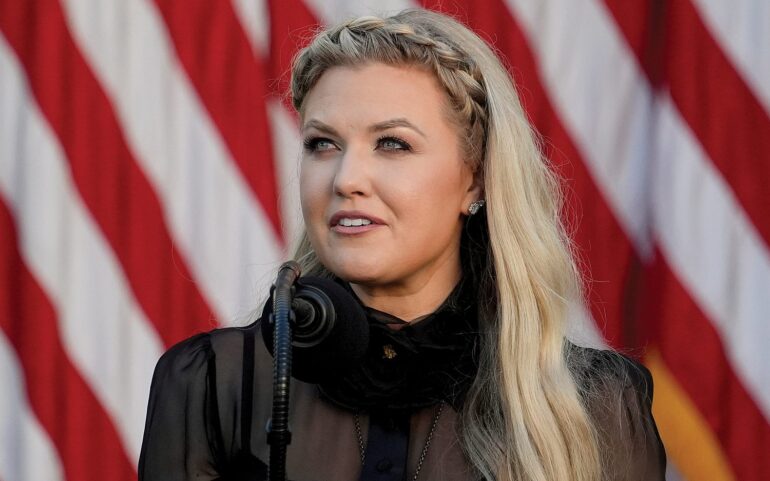
Is Erika Kirk Expected To Appear On Stage At The Turning Point USA Halftime Show?
Erika Kirk has been central to promoting the event and shaping how it’s framed publicly. She has teased the lineup and positioned the show as a cultural response, but there is no confirmation that she will take the stage.
If she appears, it will be as a host or speaker. Her role so far has been organisational and symbolic, not artistic.
How This Stacks Up Against The Real Halftime Show
The NFL halftime show works because it captures a moment that millions of people recognise at the same time. Bad Bunny’s music already dominates streaming charts and live tours across multiple continents.
This counterprogram doesn’t attempt that. It isn’t built for reach. It’s built for comfort. That choice explains both the lineup and the tone surrounding it.
In the end, the contrast says everything. One show reflects where pop culture is. The other reflects where a specific audience wishes it still were.