
The Polymarket bet that wiped out rapper Preme did not fail because of bad timing or bad information. It failed because of wording. A market built around whether Cardi B would perform at the Super Bowl halftime show turned into a definition fight, and Polymarket made it clear that semantics matter more than intent.
Preme, a longtime associate of Drake, reportedly staked roughly $177,000 on Cardi B not performing during the Super Bowl halftime show. She appeared on stage for roughly a minute, dancing during the set. Polymarket ruled that appearance a performance. His position went to zero.
The fallout has become one of the most talked-about Polymarket stories of Super Bowl week because it highlights a simple truth about prediction markets. Being close to the industry does not protect you from contract language.
Preme Polymarket Bet Explained
A long post about how Rapper @Preme lost ~$177K after he got wrong "insider" info from @Drake regarding the Super Bowl halftime show.
Preme signed up on Polymarket one day ago and bought $177K of Cardi B not performing during the halftime show.
He started buying these shares… pic.twitter.com/GgkuAemqsr
— Car (@CarOnPolymarket) February 9, 2026
According to screenshots circulated on X, Preme opened his Polymarket account just one day before the Super Bowl and placed his bets only hours before kickoff. The size and timing of the wager immediately drew attention.
The position was clear. He bet heavily on “NO” for whether Cardi B would perform at halftime. He also placed a separate wager on Drake not performing, which ultimately won. The loss came entirely from the Cardi B market.
Preme did not simply misunderstand the platform. He made a targeted call based on how he believed Polymarket would interpret “perform.” Unlike online sportsbooks where terms are generally made clear, this market caused confusion with its definition of the word.
Cardi B Super Bowl Halftime Appearance
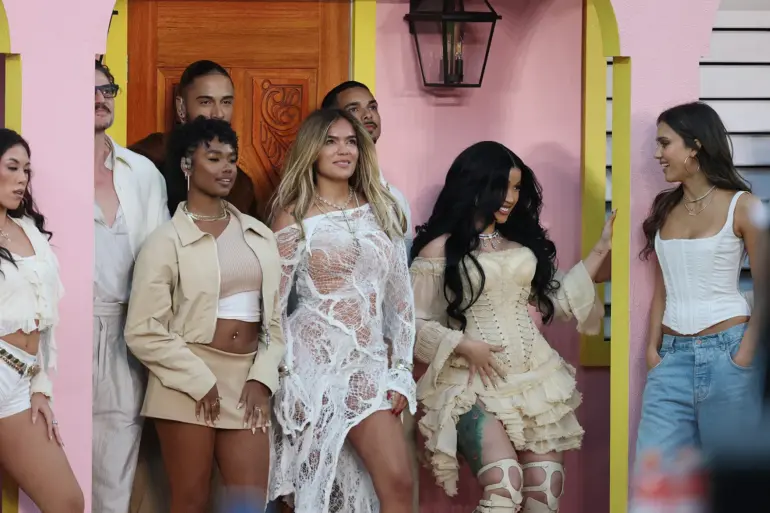
Cardi B did not sing a verse or take a lead role in the halftime show. She did, however, step on stage during the performance, danced alongside the headliner, and remained visible to the broadcast audience.
Polymarket ruled that this counted as a performance under the market’s rules. Once the market resolved to “YES,” all NO positions were settled as losses.
This is where the controversy started. Many bettors assumed “perform” implied vocals, rapping, or at least a credited musical role. Polymarket did not see it that way.
Polymarket Rules And The Performance Dispute
Polymarket’s market language did not explicitly limit performance to singing or rapping. It relied on a broader interpretation that included appearing on stage as part of the show.
That distinction turned a confident wager into a total loss. Preme reportedly responded directly to Polymarket after the settlement, arguing that dancing should not qualify as a performance. The reply was later deleted.
The platform did not reverse its decision.
Drake Not Performing Bet That Preme Won
The irony of the situation is that Preme correctly called the other half of his thesis. Drake did not appear during the halftime show, and that wager paid out, but Preme only won about $200 on that wager.
The winning bet reinforces why many people assumed insider information played a role. Preme is not a casual bettor guessing at celebrity appearances. He is connected to the artists involved.
That context makes the loss more notable, not less.
Prediction Markets And Insider Information Limits
This episode has become a case study in how prediction markets operate when language is vague. Even accurate information can fail if it does not align with how a platform resolves outcomes.
Preme may have been correct in believing Cardi B would not sing or formally perform. That belief was irrelevant once Polymarket defined performance more broadly.
The lesson is simple. In prediction markets, the contract beats the rumor every time.
Polymarket Super Bowl Betting Reaction Online
After the loss circulated on X, follow-up posts claimed Preme changed his username and attempted to limit visibility around the bet. Screenshots of the wager, the deleted reply, and the account changes fueled jokes and commentary across betting Twitter.
The story stuck because it combined celebrity access, a six-figure loss, and a rules dispute that many bettors found relatable.
It was not about being wrong on the outcome. It was about being wrong on the definition.