
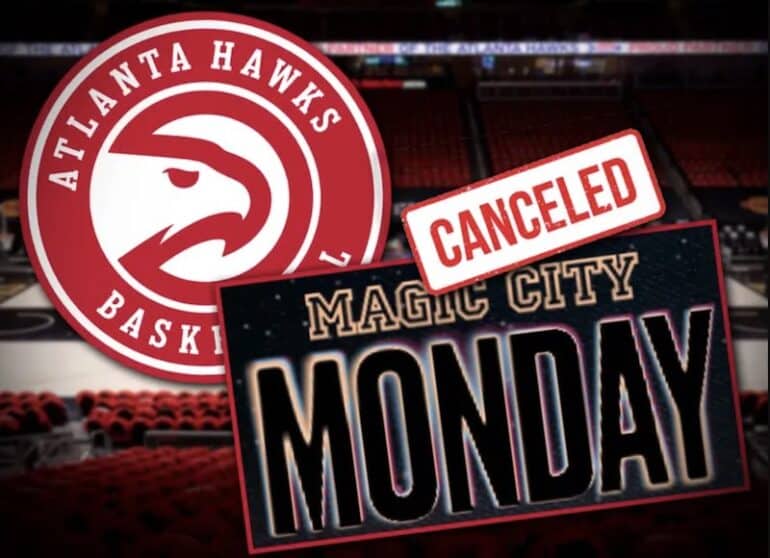
It started as a celebration of Atlanta culture. It ended with the league stepping in and pulling the plug.
On February 26, the Atlanta Hawks announced plans for a “Magic City Night” promotion tied to their March 16 home game against the Orlando Magic.
The event was meant to honor Magic City, the legendary Atlanta strip club that has been a cornerstone of the city’s hip-hop scene for over 40 years.
The Hawks described it as a tribute to an “iconic cultural institution,” with plans for Magic City’s famous lemon pepper wings, exclusive merchandise, and a special hoodie. There were even plans for a live podcast recording featuring Hawks primary owner Jami Gertz, rapper T.I., and Magic City founder Michael Barney.
The backlash came quickly and was unrelenting.
Who Pushed Back?
The most prominent public voice against the promotion was San Antonio Spurs center Luke Kornet, who took to his personal blog on March 2 to argue the night would make the NBA complicit in the objectification and mistreatment of women.
He cited the abuse, harassment, and violence that women in the adult entertainment industry routinely face, writing that the league should remain “a safe, respectful, and welcoming environment for everyone involved.”
Kornet wasn’t alone. Behind the scenes, the NBA was hearing similar concerns from fans, corporate partners, and league employees. As it turns out, many people outside of Atlanta were reportedly uncomfortable with the idea of an NBA franchise officially platforming a strip club.
What Did Adam Silver Do?
On March 9, Commissioner Adam Silver canceled the event after consulting with Hawks leadership, citing significant concerns from a broad array of stakeholders.
The decision wasn’t surprising. In fact, it felt inevitable.
The NBA has spent over a decade building its brand around progressive values and women’s empowerment, most visibly through its investment in the WNBA.
With corporate sponsors already voicing discomfort and no clear precedent for a franchise officially co-signing an adult entertainment venue, Silver didn’t so much make a judgment call as he did follow the only path available to him
What’s Still Happening on March 16?
Not everything was scrapped. T.I. will still perform at halftime.
Pre-ordered hoodies will be honored, though none will be sold at the arena.
The live podcast recording has been canceled.
The Bigger Picture
Magic City is genuinely woven into Atlanta’s DNA. Over four decades, the club helped launch careers for T.I., Migos, Future, 2 Chainz, Killer Mike, and Jermaine Dupri.
For many Atlanta residents, celebrating it felt inseparable from celebrating the city itself.
There’s also a built-in NBA footnote: the club has a menu item named after former Hawks guard Lou Williams. Born from a 2020 incident where he slipped out of the NBA bubble to visit Atlanta, Williams was photographed at Magic City by Jack Harlow, and forced into a 10-day quarantine before returning to play.
The Hawks said they were ‘very disappointed’ but respected the league’s decision. Magic City’s social media was more gracious, calling the collaboration an honor regardless.
As for the fans who bought tickets expecting a full night of Atlanta culture — they’ll get T.I. at halftime and lemon pepper wings.
For now, that’ll have to be enough.