


The AI match ball trend drawing attention ahead of World Cup 2026 is real, but it is being misread.
Bettors are treating the Adidas Trionda’s connected technology as a source of predictive edge – something that tells you what will happen.
That is not what the system does. That distinction matters enormously before building a single accumulator leg around it.
This piece explains the actual mechanism, runs the math on accumulator structures, and identifies the specific market conditions where the data asymmetry creates genuine value.
It also names what the models cannot touch – because that is where most bettors will lose money chasing this trend.
What the Adidas Trionda Match Ball AI System Actually Does
The Trionda contains an inertial measurement unit suspended inside the ball’s core that transmits real-time positional data.
At Qatar 2022, the predecessor ball – the Al Rihla – sent sensor data at 500 times per second, synced with 12 tracking cameras capturing 29 data points per player to assist semi-automated offside technology (SAOT).
FIFA’s own reporting showed this pipeline cut average offside decision times from roughly 70 seconds under traditional VAR to 25–30 seconds. The Trionda’s upgraded sensor suite is designed to push that figure lower.
The critical clarification, stated directly in Adidas’s own documentation: the ball does not track offside positions itself.
It provides a high-precision timestamp of ball contact.
That timestamp triggers the AI-driven SAOT system, which reconstructs 3D player positions from multi-camera feeds and generates an offside recommendation for VAR review before the referee decides.
The Trionda is an input to a larger officiating architecture – not an autonomous decision-maker.
For bettors, this means two things. Marginal offside calls will be resolved faster and with greater accuracy, reducing the frequency of goals being disallowed minutes after celebration.
And handball reviews will have cleaner ball-contact data. Those are officiating improvements. They are not betting signals on their own.
Why Accumulators and AI Models Are a Complicated Match
The accumulator trend around AI World Cup models deserves more skepticism than it is currently receiving.
AI simulation models – including those built on Opta datasets – are producing tournament probability tables that differ from market odds.
One widely cited model gives France an 18.5% title chance, Spain 16.6%, and England 15.0%.
Another Opta-based model pegs Spain at 16.08%. These figures create the impression of edge. The math says otherwise.
A four-leg accumulator built on selections where each leg carries 60% model confidence produces a combined hit rate of roughly 13%.
The bookmaker’s implied probability on the same parlay at standard juice sits around 9–10%.
That gap looks exploitable – but it assumes the model’s 60% confidence is calibrated correctly across all four legs simultaneously.
Tournament football, with its rotation, set-piece variance, and referee unpredictability, degrades model confidence faster than any regular-season sport.
That is not a reason to avoid accumulators. That is a reason to build them differently.
The methodology behind AI accumulator construction for 2026 matters as much as the selections themselves – and most public-facing AI tips skip the methodology entirely.
Where AI Models Create Genuine Accumulator Value in 2026
The Trionda data feeds into something bettors can actually use: faster, authoritative confirmation of goals and offsides that stabilizes in-play markets more quickly than in previous tournaments.
For pre-match accumulators, the structural edge is narrower but real in three specific areas.
Group stage matches involving technical CONCACAF and CONMEBOL sides against lower-ranked European opposition produce the highest model-vs-market divergence.
These matchups are underanalyzed by European sportsbooks, and AI models built on full FIFA ranking datasets tend to price them more accurately than the opening lines.
Asian handicap markets – rather than straight result – are the correct vehicle here, because they remove the draw variable that inflates chalk prices.
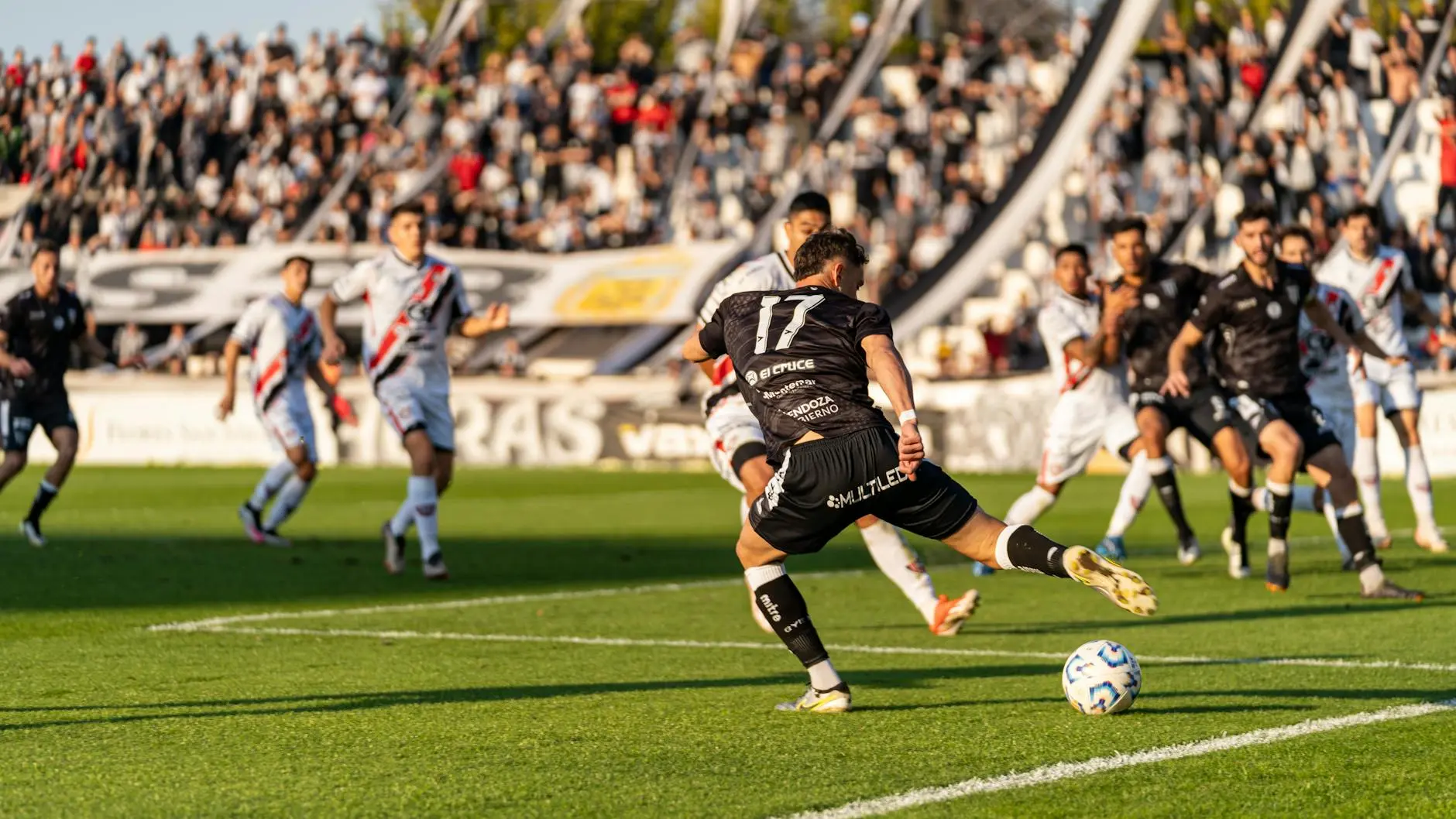
BTTS (both teams to score) legs in Group B and Group C fixtures where historically high-scoring confederations collide carry genuine accumulator value. The Trionda’s ball-contact precision reduces the frequency of disputed handball penalties that artificially inflate late-game scorelines – which tightens BTTS pricing toward more accurate expected-goals-based projections.
Correct result accumulators targeting Matchday 1 and Matchday 2 group fixtures – before rotation strategies distort lineups – are where the AI models are most predictive. FIFA’s expanded data feeds for 2026, modeled on the live tracking visualizations deployed through the official app at Qatar 2022, will give roster-confirmed starting XI data to bettors faster than ever. That confirmation window is where disciplined accumulators get built.
Best Bet Structures for World Cup 2026 AI Accumulators
Structure one: Two-leg Asian handicap double, Matchday 1 group stage. Target one technically superior side giving a -0.5 handicap against a lower-ranked CONCACAF or African qualifier, paired with a BTTS leg from a high-scoring CONMEBOL group fixture. Expected odds range: +220 to +280. Maximum four legs – every additional leg compounds the rotation and injury risk without proportional odds improvement.
Structure two: Three-leg correct result accumulator, Matchday 2 only. Avoid any fixture where either team has already secured qualification or already been eliminated – model confidence collapses in those contexts. Stick to live-stakes matches where both sides need points. Expected odds range: +350 to +450 at standard juice.
The Bet: Build the Matchday 1 Asian handicap double targeting a technically superior European side at -0.5 against a lower-ranked CONCACAF opponent, combined with a BTTS selection from the highest-expected-goals CONMEBOL group pairing. Confirm starting lineups before placing. Target +240 or better.
Risks and What the Models Cannot Predict
Avoid Matchday 3 group stage fixtures entirely. Rotation is not a risk in those games – it is a certainty for any side that has already determined its knockout round seeding.
AI models trained on competitive match data have no reliable signal for who plays when the result is already decided.
Late injury news remains the single largest model-breaker. The Trionda’s data ecosystem improves officiating accuracy, not team-sheet prediction.
A key midfielder withdrawn in the 90-minute window before kickoff invalidates any model output that assumed his inclusion.
Set price alerts for line movement as a proxy – sharp money reacting to late team news moves Asian handicap lines faster than any public source.
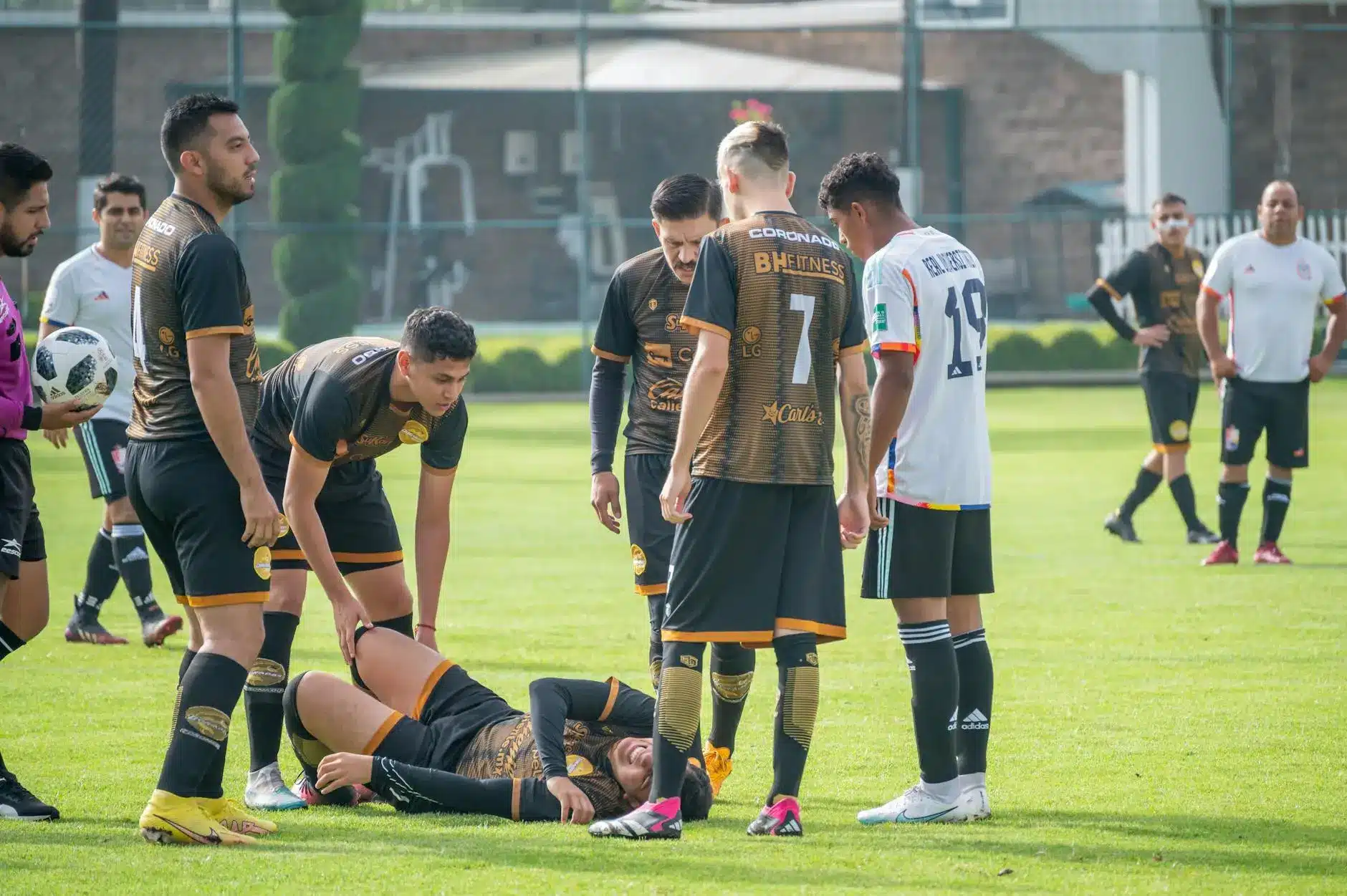
Referee variance is not reduced by connected ball technology. The Trionda improves the precision of offside and ball-contact calls.
It does not standardize how referees manage physicality, card thresholds, or penalty decisions – all of which are significant factors in correct-score and result markets.
AI models that treat referee assignment as a neutral variable are overconfident. Check referee assignment before finalizing any accumulator leg.
Also factor in logistical disruptions – travel complexity across the three host nations creates scheduling pressure that has historically affected team preparation.
Bottom Line
The AI match ball trend is not noise – but it is not what most bettors think it is. The Trionda’s connected technology improves officiating speed and accuracy, not outcome prediction.
The genuine betting edge runs through AI simulation models that diverge from market odds on underanalyzed group-stage matchups, not through the ball itself.
The Bet: Build a Matchday 1 Asian handicap double on a technically superior side at -0.5 against a lower-ranked CONCACAF opponent, paired with a BTTS leg from the highest-expected-goals CONMEBOL group fixture.
Confirm the lineup, avoid Matchday 3 entirely, and target +240 or better before placing.