

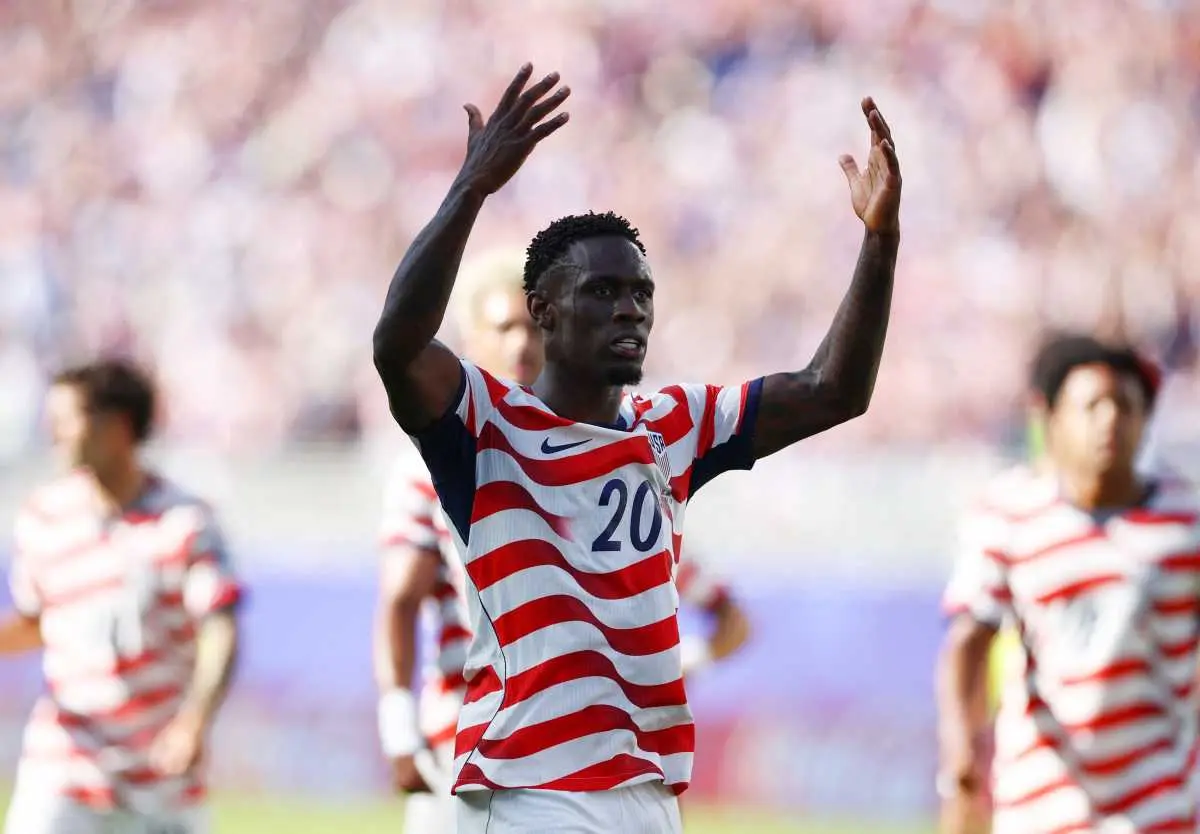
Just one FIFA disciplinary official made the World Cup-rocking decision to reinstate Folarin Balogun after his red card at the World Cup 2026, according to a report from the Times of London. The single official reportedly acted alone on the disciplinary committee, which has multiple members. This development adds new fuel to a controversy that had already drawn attention involving Donald Trump and FIFA president Gianni Infantino. This is not a procedural footnote. This is a transparency crisis wearing the uniform of due process.
What the Times of London Report Actually Confirms
The core finding is that the disciplinary decision to reinstate Balogun was made by one FIFA disciplinary official acting alone. The Times noted it is not the first time a disciplinary matter has been handled by one person, but high-stakes cases typically involve multiple officials. The original red card incident itself was already fiercely contested before any reinstatement decision was made.
Bet On The FIFA World Cup
| Sportsbook | Welcome Bonus | Claim Offer |
|---|---|---|
 |
50% Up To $250 In Free Bonuses | Bet Now |
 |
125% Welcome Bonus Up To $1,250 | Bet Now |
 |
$250 Welcome Bonus For World Cup | Bet Now |
 |
100% Welcome Bonus Up To $2,500 | Bet Now |
Trump, Infantino, and the Meaning of ‘Independent Judicial Bodies’
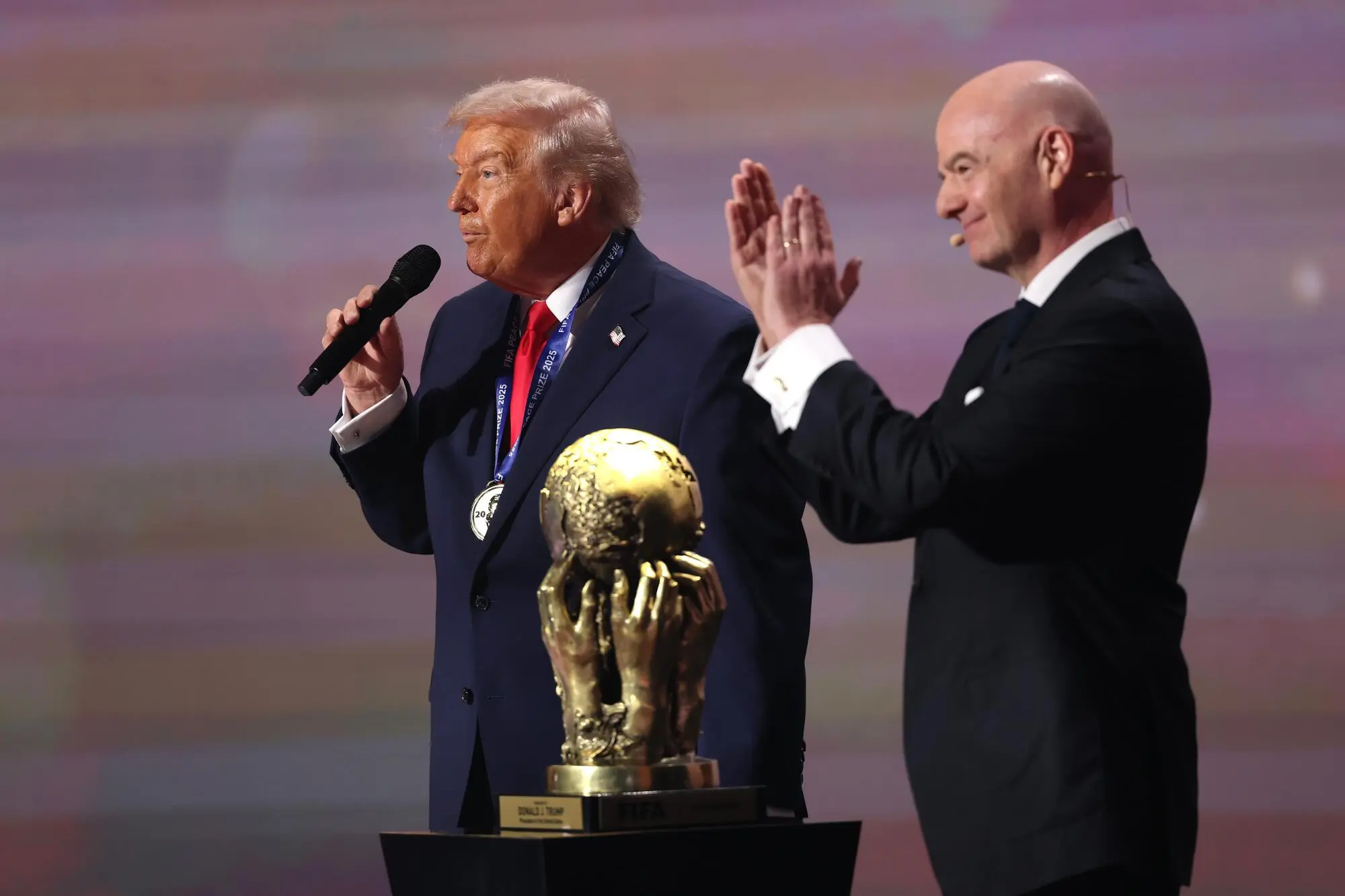
Trump publicly said he had called Infantino and asked him to review the Balogun matter. Infantino responded that the ruling would be made by “independent judicial bodies.” The word bodies implied a collective. The reality, according to the report, was that the decision was made by a single official.
European and Belgian governing soccer bodies criticized FIFA for allowing the U.S. star to play, while Infantino was accused of caving to Trump‘s influence. The Belgian Football Association attempted to appeal the reinstatement decision, but FIFA’s appeals committee dismissed it as inadmissible, ruling Belgium had no standing as it was not a party to the original proceedings. The decision was made under Article 27 of the FIFA Disciplinary Code, which allows automatic bans to be suspended for a probationary period.
FIFA‘s broader decision-making structure and its relationship with political stakeholders has drawn scrutiny throughout the 2026 tournament. Infantino’s organizational ambitions have already attracted criticism from European football governance circles, and the Balogun ruling sharpened that tension considerably.
The Sporting Outcome and What It Doesn’t Resolve
Belgium won 4-1 to eliminate the United States in the round of 16, with Balogun in the lineup. In a narrow sporting sense, the controversy is closed – the reinstated player did not help his team advance. But the procedural questions left behind by the disciplinary committee’s handling of the case do not disappear with the result.
The fact that a single FIFA official handled what has become one of the most politically charged disciplinary cases at the 2026 World Cup – after Trump publicly lobbied Infantino and Infantino invoked the credibility of independent judicial oversight – is the story that outlasts Belgium’s victory. Governance watchdogs and European federations are now pushing for codified rules on when a full committee must be convened at major tournaments. Whether FIFA responds with structural reform or institutional silence will define how this chapter is remembered.