
ESPN has cut multiple high-profile names from its roster, with Ryan Clark, Karl Ravech, David Lloyd, Stephania Bell, and Tom Pelissero among those reported departing in the network’s latest layoff wave.
The timing could not be more loaded. While familiar faces are heading out, Pat McAfee is reportedly in line for a contract extension worth north of $60 million a year.
That contrast has ignited genuine outrage across sports media. The story is not simply about who got cut, it is about what ESPN’s spending priorities tell us about where linear sports television is actually heading.
What The Pat McAfee Extension Numbers Actually Show
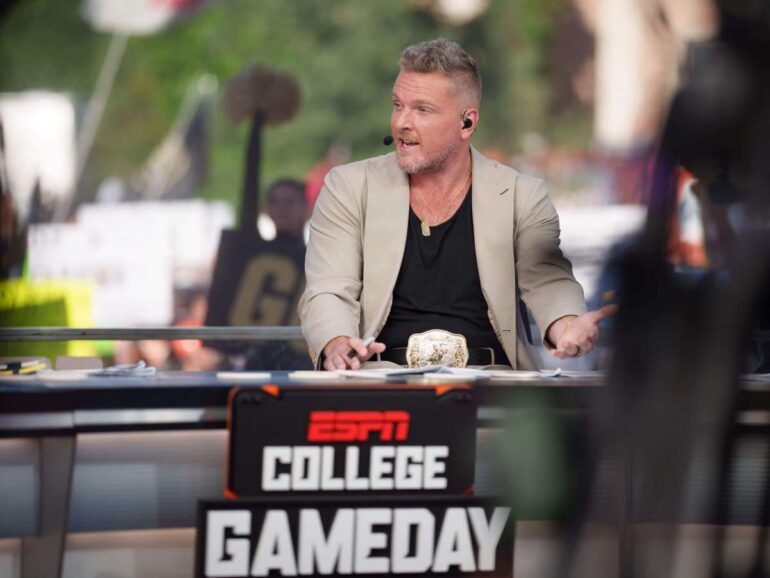
The Athletic reported in early June 2026 that McAfee and ESPN were negotiating an extension landing somewhere between $60 million and $65 million annually, with the final figure potentially tied to an expanded role at the network. His current agreement, signed in 2023 and running through 2028, pays him around $30 million per year for hosting The Pat McAfee Show, appearing on College GameDay, and making regular network appearances.
That proposed doubling of salary landed hard with fans watching longtime colleagues lose their jobs. ESPN, however, does not treat McAfee’s arrangement like a standard talent contract. It is structured as a production and licensing deal, meaning McAfee funds the production of his daily show and pays his on-air crew directly from that money. His actual take-home is believed to be well below the reported $30 million figure once production costs and staff pay are factored in.
That context does not fully defuse the backlash, but it does complicate the simple narrative that ESPN is handing one personality a blank check while gutting its newsroom.
ESPN’s Franchise Player Strategy Is Accelerating
McAfee and Stephen A. Smith have become the twin pillars of ESPN’s talent strategy. Smith recently signed a five-year, $100 million extension with ESPN and a separate three-year, $36 million deal with SiriusXM, putting his combined annual earnings in the $30 to $40 million range.
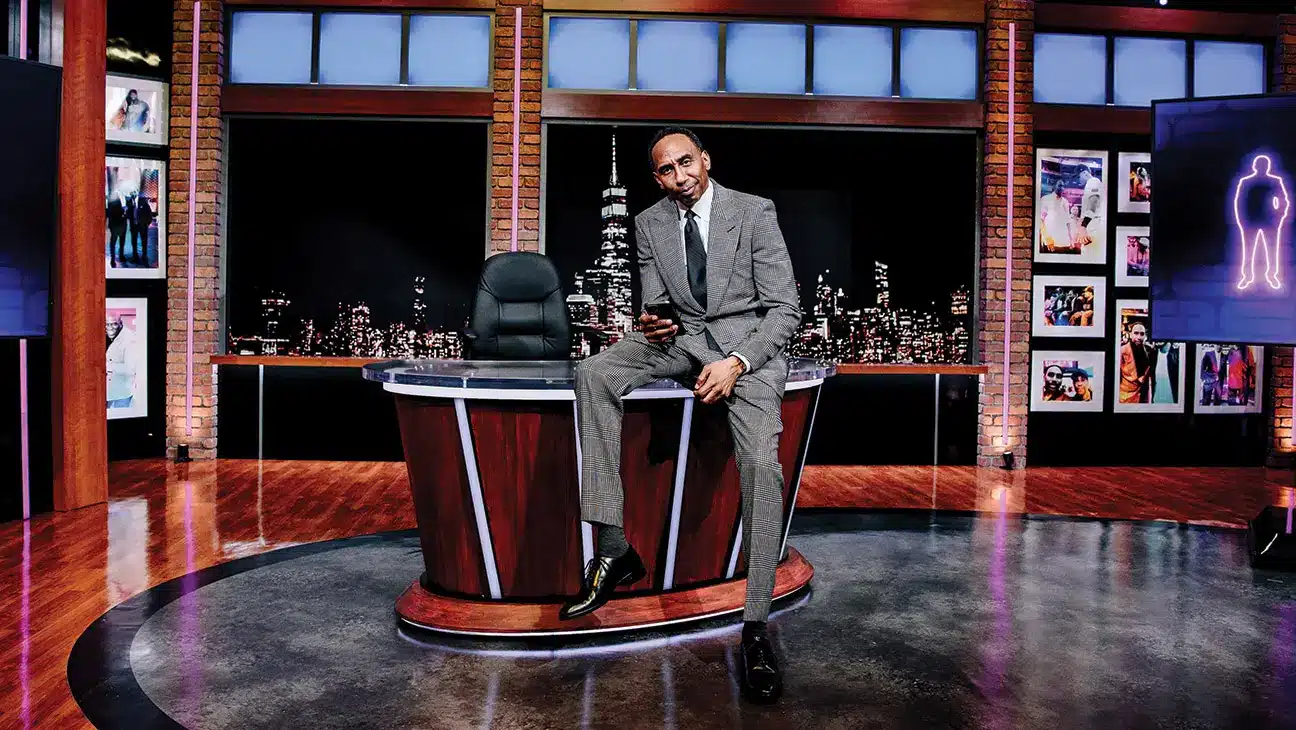
The network’s calculation is clear: a small number of high-ceiling personalities who drive streaming subscriptions, YouTube traffic, and younger demographics are worth more than a larger stable of respected but less viral voices. McAfee’s show has posted consistent audience growth across ESPN’s platforms, and the network has pointed to that performance as evidence it generates substantial revenue rather than simply consuming it.
This is not a talent-friendly pivot. It is a cost restructuring that concentrates spend at the top while compressing the middle tier. The departure of Tom Pelissero is a sharp example, an NFL insider with genuine sourcing power, out the door as the network bets its future on personality-driven content over traditional reporting infrastructure.
Confirmed Vs. Not Confirmed On Pat McAfee’s Deal
What is confirmed: the departures of Clark, Ravech, Lloyd, Bell, and Pelissero as part of ESPN’s latest restructuring. What is not confirmed: any official new deal for McAfee. ESPN has made no announcement, and the reported extension remains exactly that, a report, sourced from The Athletic, that the two sides are in discussions.
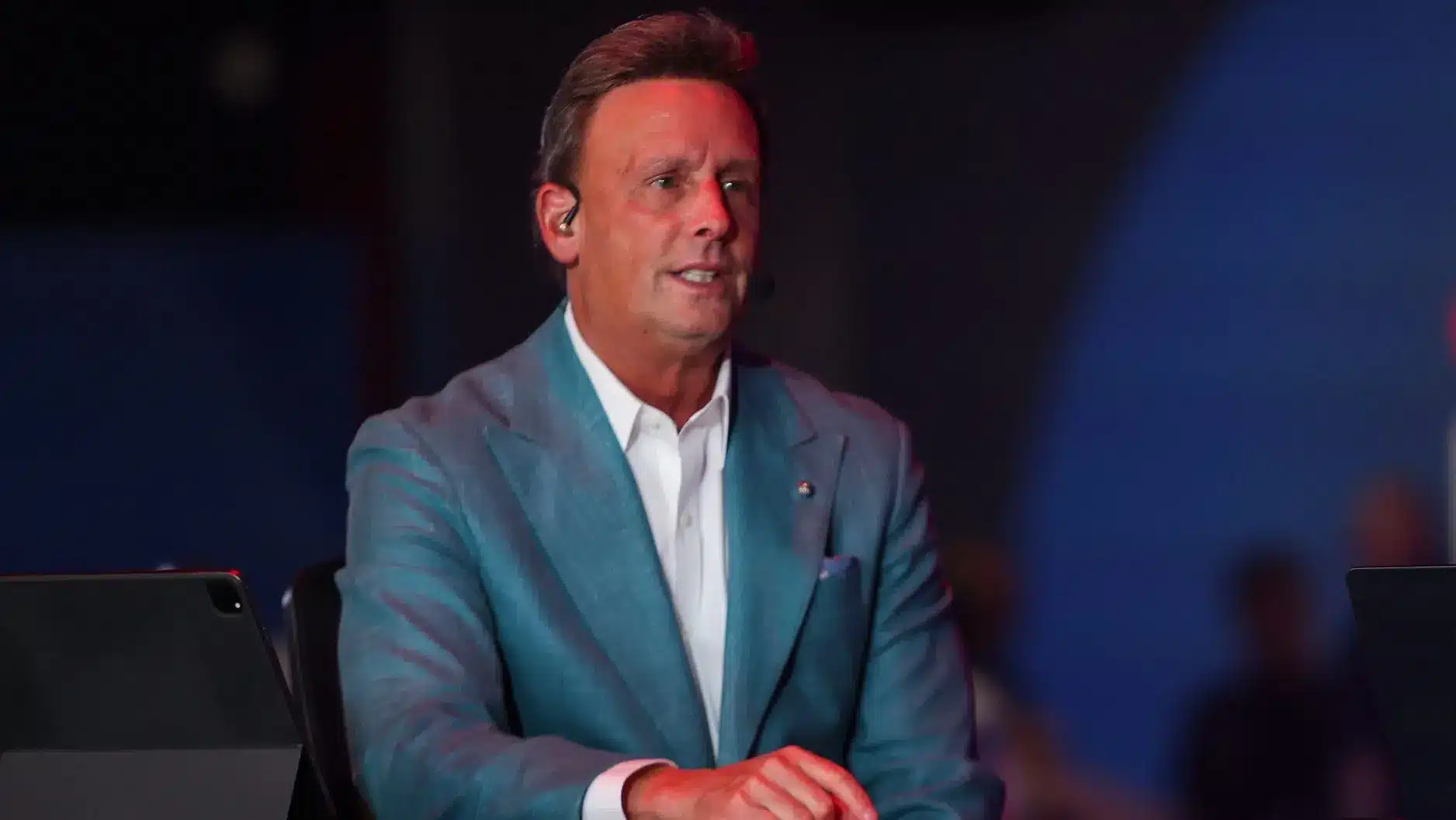
The distinction matters. Public anger is partly being directed at a contract that may not yet exist in final form. The reported range of $60 million to $65 million annually is a negotiating-stage figure, not a signed agreement.
What To Watch Next With Pat McAfee And ESPN
The next meaningful development is whether ESPN and McAfee finalize an extension and at what number. A deal at the top of the reported range would make McAfee one of the highest-paid personalities in sports media history, eclipsing most traditional broadcast anchors by a significant margin.
Observers should also watch whether the current layoff wave triggers further restructuring of ESPN’s studio programming or accelerates its push into direct-to-consumer streaming, where McAfee’s creator-style format already travels better than traditional desk shows. The strategic direction is no longer ambiguous. The price tag is still being written.