


Neemias Queta is staying in Boston on a four-year, $56 million extension – a deal that signals the Celtics are building their post–Jaylen Brown frontcourt around a player who was on a two-way contract less than three years ago.
ESPN’s Shams Charania broke the news on July 3, with agent Bill Duffy of WME Basketball confirming the terms. The deal runs through the 2030-31 season, with Boston first exercising Queta’s 2026-27 team option before stacking four new guaranteed years on top.
What the Contract Structure Actually Means
The Celtics picked up Queta’s existing team option – worth $2,667,944 per Spotrac – as the bridge year before the extension money activates. That structure is deliberate. It keeps Queta’s new salary off the books for one additional season while Boston absorbs other roster costs, including Mitchell Robinson’s three-year, $47.4 million free-agent deal signed days earlier.
Both bigs will earn less than 10% of the projected cap when Queta’s extension kicks in, according to analyst Chris Forsberg of NBC Sports Boston. Two starter-level centers secured at that price point is a legitimate cap win, and it reflects exactly the kind of mid-tier roster discipline that contenders need under the current CBA.
The Numbers That Earned Queta $56 Million
The 26-year-old from Lisbon, Portugal appeared in 76 games last season, starting 75 of them. He averaged 10.2 points, 8.4 rebounds, and 1.3 blocks in 25.3 minutes per night, shooting 65.3 percent from the field – third in the NBA and a new Celtics franchise record for single-season field-goal percentage, per the team’s official release. He also became the first Celtic with at least 100 blocks, 600 rebounds, and 60 steals in a season since Robert Parish in 1990-91.
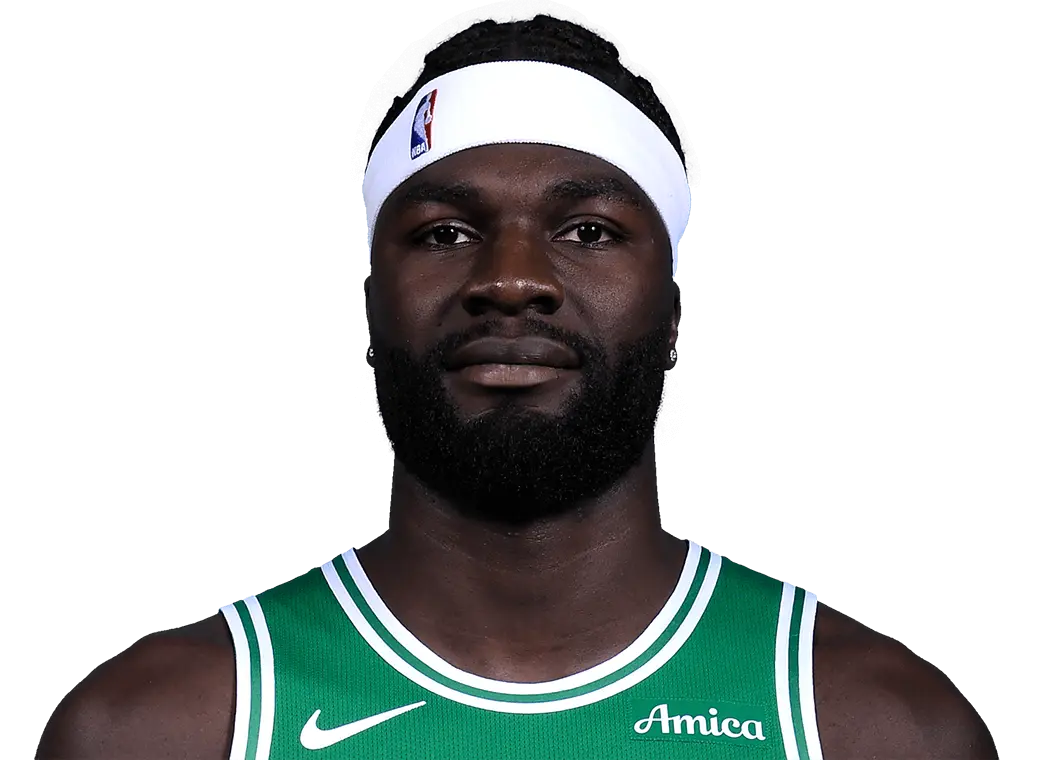
Queta finished fourth in Most Improved Player voting this past season, per Basketball-Reference. He also posted a net rating of 13.2, which ranked fifth in the entire league. This is not a backup center earning starter money. This is a legitimate frontcourt anchor who happened to slip through the league’s filters long enough for Boston to get him cheap.
His playoff run was rockier. Foul trouble limited him in several games, and Celtics president Brad Stevens acknowledged at his end-of-season press conference that keeping Queta on the floor was the central challenge – noting two games where he was out within four minutes of tip-off, per NBC Sports Boston.
But Queta responded with career playoff highs of 17 points and 12 rebounds in Game 7 against Philadelphia, logging more than 32 minutes off the bench in the Celtics’ series loss.
Boston’s Frontcourt Bet and What Comes Next
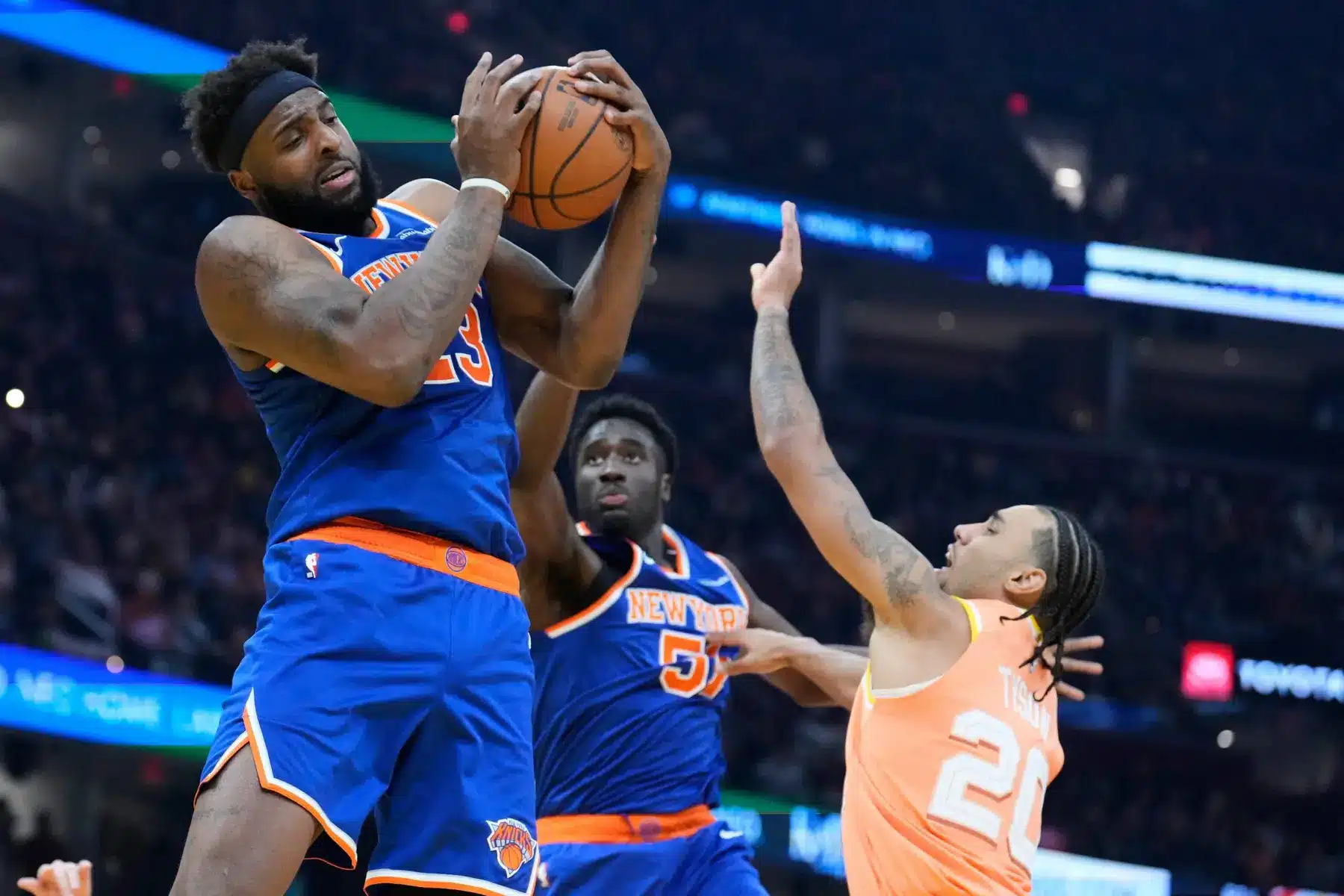
The Robinson signing addresses the depth issue directly. Robinson has played more off the bench than in the starting lineup over the past three seasons with the Knicks, which means Stevens likely views Queta as the clear starter and Robinson as the enforcer behind him. That pairing gives Boston rim protection, offensive rebounding, and defensive physicality without breaking the cap.
For context on how the league values young interior players at this stage of their development, the Peyton Watson extension situation in Denver offers a useful parallel – teams are consistently paying for upside before it fully arrives rather than waiting for the market to catch up. Queta’s deal fits that pattern precisely. The Celtics locked him in while his playoff foul trouble still gave them negotiating leverage.
The next question for Boston is how the remaining cap space gets deployed – whether toward a wing scorer, a ball-handler, or extensions for role players who develop alongside Queta in the new-look roster. What is confirmed right now is that the frontcourt core is set through 2031, and it cost less than most expected.