
The moment FIFA unveiled the group-stage schedule for the 2026 FIFA World Cup on Saturday, resale ticket prices surged. This is especially so for high-profile matchups featuring Portugal and Argentina, given the star power on both national teams, with costs skyrocketing nearly 300% for certain matchups.
2026 World Cup Ticket Prices Surge After Schedule Announcement
Take the scheduled June 27th match at Hard Rock Stadium in Miami Gardens, for example.
With prices originally listed below $400 before Friday’s draw, the cheapest resale tickets soared above $2,000 less than an hour after the announcement that the game would pit Portugal against Colombia.
The resale price of tickets to 2026 World Cup games involving Portugal and Argentina jumped by an average of nearly 300 per cent in the hours after Friday’s World Cup draw and Saturday’s schedule release.
Before Friday, with matchups not yet known, the “get-in price” — the cost… pic.twitter.com/Tjmj1RPKtR
— The Athletic | Football (@TheAthleticFC) December 8, 2025
Later that same day, prices reportedly approached $3,000 before settling around $2,200, marking a roughly 5-fold increase. That surge has pushed this match to become the fourth-most expensive ticket on the secondary market behind only the final and semifinal matches.
It wasn’t the only game that saw price hikes. According to resale-market trackers, tickets for matches involving Argentina also saw steep increases. In addition, 78 of the 91 total fixtures scheduled in the U.S. and Canada saw resale prices climb after the draw.
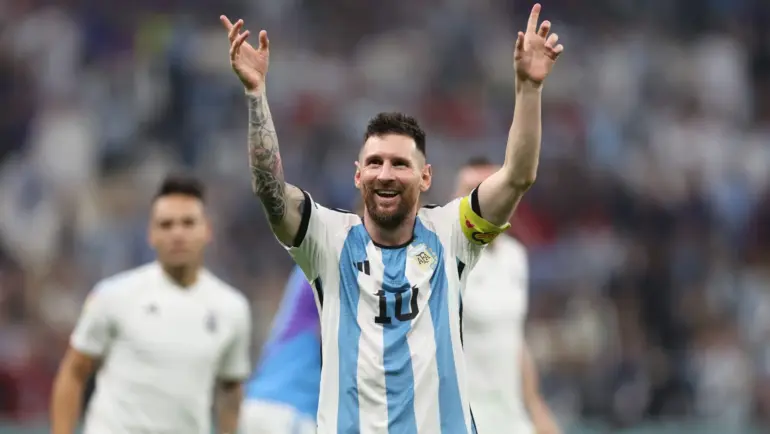
With legendary players and World-class national teams confirmed, demand to see the likes of Lionel Messi and Cristiano Ronaldo has exploded.
EXCLUSIVE: New York City mayoral candidate Zohran Mamdani is calling on FIFA to end dynamic pricing on World Cup tickets.
His petition “Game Over Greed” also demands that FIFA reinstates a cap on ticket resales and sets aside 15 percent of tickets for local residents at a… pic.twitter.com/hSWp2qyPxf
— The Athletic (@TheAthletic) September 10, 2025
To be fair, the broader context helps explain this surge. For 2026, FIFA introduced a new “dynamic pricing” system for ticket sales, meaning official prices can adjust in real time according to demand. This was a deliberate change from past World Cups, and one that anticipated fan interest would drive prices upward.
What does it all mean? For millions of fans, the dream of attending a World Cup match has just become significantly more expensive, especially if you hope to witness one of the marquee games in person. From under $400 to over $2,000 in a matter of hours, tickets to matches have instantly become hot commodities.