
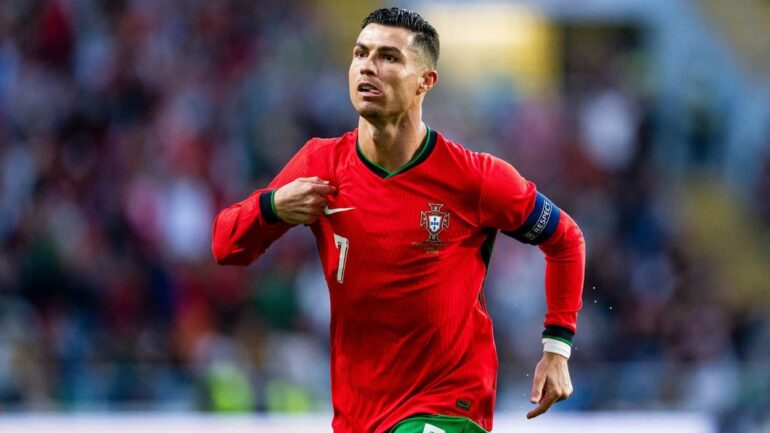
Cristiano Ronaldo and Lionel Messi face a massive financial headache at the 2026 World Cup as the U.S. implements a ‘Jock Tax’.
While fans are analyzing the group stage matchups, tax experts warn that the World Cup 2026 schedule has effectively locked Cristiano Ronaldo and Lionel Messi into a multi-million-dollar tax trap.
Due to the complex U.S. “Jock Tax” system, these elite athletes face massive IRS bills that their own national teammates will completely avoid.
How the World Cup 2026 Schedule Controls Player Tax Rates
Unlike most host nations that grant tax immunity to visiting athletes, the United States calculates taxes based on “duty days”—any day a player spends training or playing on U.S. soil.
Because individual states set their own income tax rates, the 2026 World Cup host cities have created a literal financial lottery.
If Portugal or Argentina are drawn to play matches in high-tax states like California (13.3%) or New York, the IRS and state authorities will claim a prorated portion of the players’ massive club salaries.
However, players drawn to stadiums in Texas or Florida will enjoy a 0% state income tax rate, creating massive financial discrepancies based purely on stadium geography.
Cristiano Ronaldo and Lionel Messi Face Tax Issue At 2026 World Cup
The tax burden falls heavily on top earners due to how the U.S. treats global branding wealth during major sporting events.
Cristiano Ronaldo (earning $295 million annually) and Lionel Messi hold massive commercial sponsorships with brands like Adidas.
U.S. tax laws allow authorities to tax a portion of a player’s global endorsement income if those brands are actively marketed to American audiences during the tournament.
While standard international tax treaties protect lower-profile squad players earning basic national team bonuses, they rarely shield global icons.
Superstars utilizing complex image-rights corporate structures are exposed to aggressive U.S. non-resident tax laws.
Cristiano Ronaldo and Lionel Messi could lose anywhere from hundreds of thousands to over $5 million in the unexpected U.S. “Jock Tax” bills and global endorsement levies.
As teams chase the trophy, soccer’s highest-paid players will be watching the location of their matches just as closely as the opponents they face.