
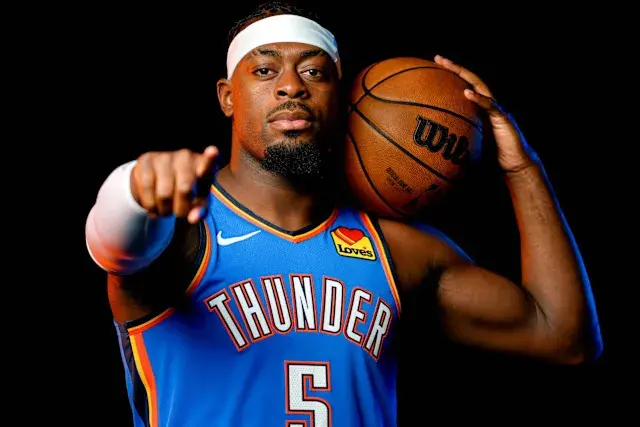
The Atlanta Hawks confirmed a three-team trade for Oklahoma City Thunder wing Lu Dort, also acquiring Ryan Nembhard from the Dallas Mavericks while sending Zaccharie Risacher to Dallas. The deal instantly reshapes Atlanta‘s perimeter depth – and complicates two active free-agent pursuits that were already carrying serious mechanical risk.
What the Dort Trade Confirms for Atlanta’s Roster
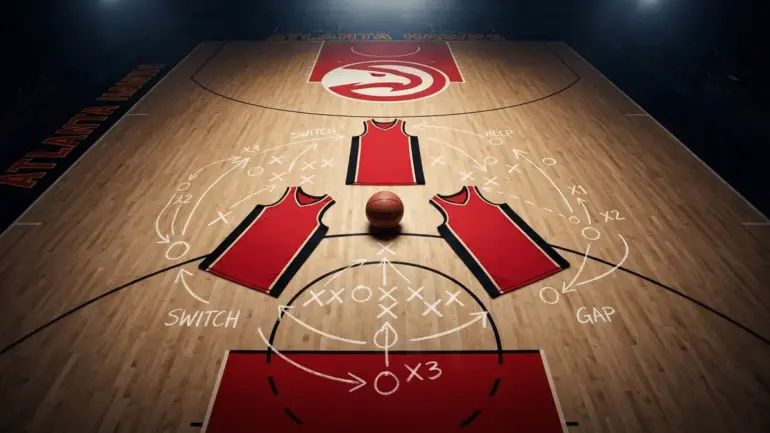
Atlanta now pairs Dort with Dyson Daniels and Nickeil Alexander-Walker, creating one of the NBA’s most physically demanding perimeter defender trios. Dort brings proven three-point shooting alongside his defensive reputation, so this is not a one-dimensional defensive add – it raises the floor and the physicality of the entire group.
The confirmed roster count sits at 17 players. The Hawks must reach 15 before the regular season, which means moves are coming regardless of whether Atlanta chases another wing or not.
Why Watson and Kuminga Pursuits Are Now Harder to Execute
Peyton Watson remains a restricted free agent with the Denver Nuggets, meaning any Atlanta acquisition requires a sign-and-trade. Given Denver‘s financial situation, a third team would almost certainly need to absorb salary, and Atlanta would need to move at least three players outbound while only taking Watson back. That is a multi-team coordination problem at a point in the offseason when leverage shifts fast.
Jonathan Kuminga presents a different version of the same headache. Atlanta declined his $24.3 million team option earlier this summer but left the door open for a return. Any team acquiring Kuminga – the Lakers, Cavaliers, and Bucks have all been linked – can only do so via sign-and-trade, which means Atlanta would have to receive assets back. With 17 players already on the books, taking anything back without simultaneously moving multiple pieces creates a roster math problem that has no clean solution.
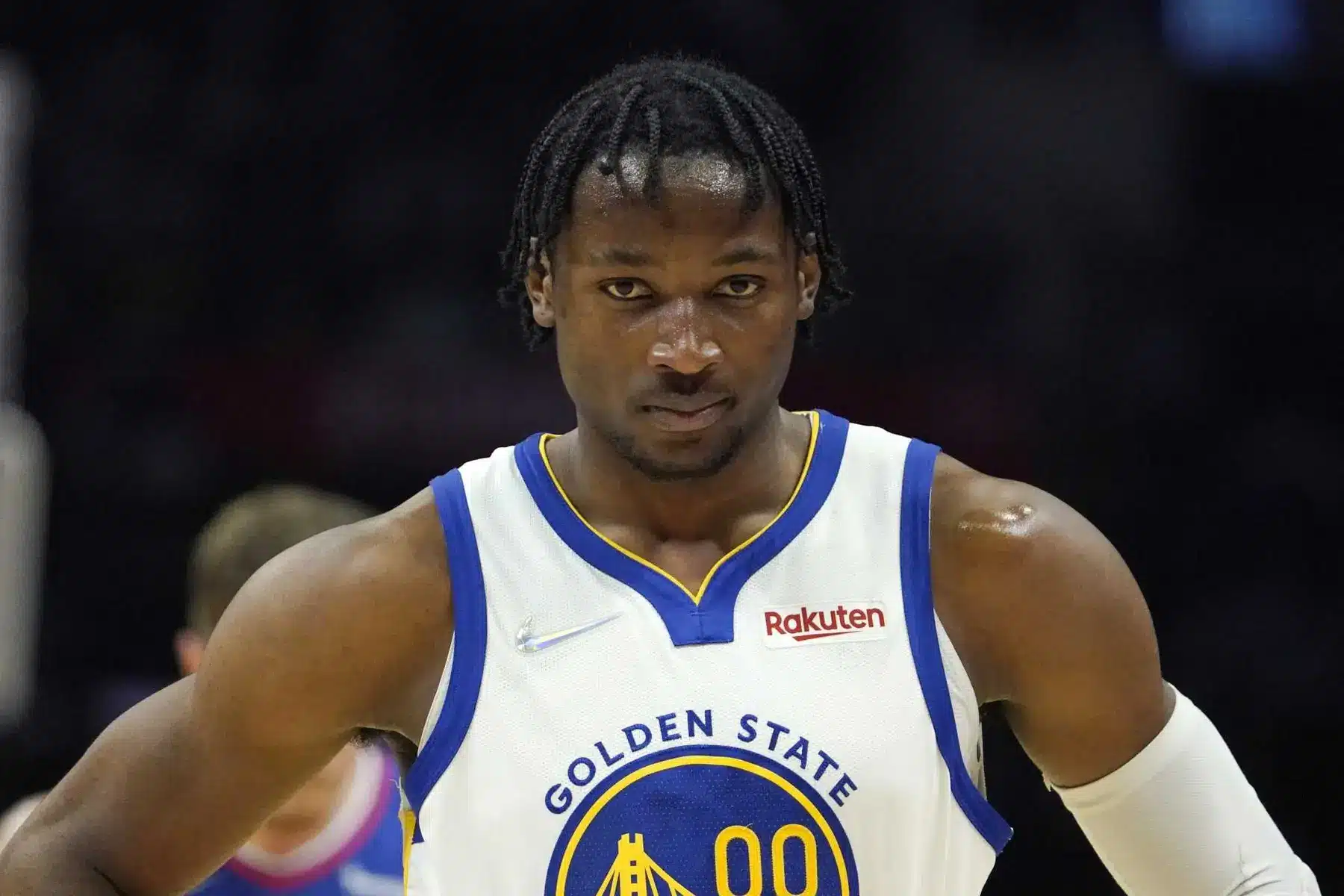
As writer Jackson Caudell at Sports Illustrated identified, Atlanta could reach its 15-man limit by trading three players in a Watson sign-and-trade, trading three players and re-signing Kuminga, trading two players without taking anyone back, or waiving two players – most likely Mouhamed Gueye and Nembhard – to clear the log.
The Roster Scenarios Atlanta Is Actually Weighing
- Watson sign-and-trade: Requires moving at least three players, coordinating a third team, and managing Denver‘s cap constraints simultaneously.
- Kuminga return: Requires moving at least three players to reach roster limit and absorbing sign-and-trade mechanics with the team that ultimately signs him.
- Waive and evaluate: Cut Gueye and Nembhard, reach 15, see how the current group functions together before committing more assets.
- Cap flexibility play: Move players now, hold space, and position for a larger star pursuit or a significant cap opening next offseason.
The Analytical Verdict on Kuminga and Watson
Caudell argued at Sports Illustrated that neither Kuminga nor Watson is actually what Atlanta needs most right now – and the roster construction logic supports that read. The Hawks have just added a proven two-way wing. Adding another creates redundancy before the current group has played a minute together.
This is not a case where the Dort trade closes the door on Watson or Kuminga. It is a case where the complexity of either deal, stacked on top of an already crowded roster, makes the risk-reward calculation tilt toward patience. The smarter play, at 60/40 probability, is trimming the roster cleanly and preserving flexibility for the next genuine star opportunity rather than forcing a complicated secondary transaction that may not move the needle significantly.
Atlanta‘s next confirmed checkpoint is the roster reduction deadline. How the front office handles those two or three departing pieces will reveal whether a Watson or Kuminga pursuit is still live – or whether the Dort trade was the final major offseason move.