

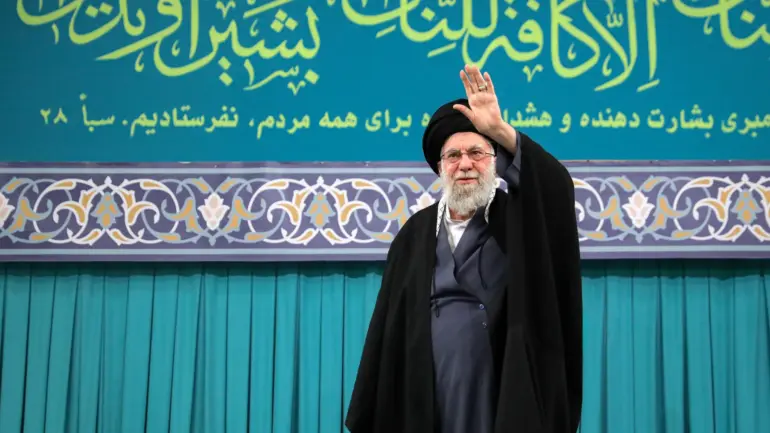
Prediction markets thrive on volatility. That is the whole model. But there is a line between offering a contract and aggressively spotlighting it while rumors about a world leader’s death dominate headlines. Kalshi stepped directly into that storm with its “Ali Khamenei out as Supreme Leader” contract, and the reaction has been fierce.
The issue is not that the market exists. It is how it was framed, promoted, and structured at the exact moment speculation about Khamenei’s health flooded social media.
Is Ali Khamenei Dead Trends As Kalshi Promotes Leadership Market
Kalshi promoting a Khamenei "leaves office" market while everyone thinks he's dead, knowing that if he is dead they freeze the market and pocket the fees. Just incredibly cynical stuff.
I'm a big fan of Kalshi and prediction markets generally, but this is really horrible… pic.twitter.com/JECT8kyCNt
— Kostya Medvedovsky (@kmedved) February 28, 2026
Search interest around “Is Ali Khamenei dead” surged as conflicting statements and online claims circulated. Instead of staying quiet while the situation clarified, Kalshi amplified messaging around its contract, highlighting odds movement tied directly to whether Khamenei would be out of office.
When the dominant public question is about whether someone is alive, promoting a contract that spikes on that uncertainty reads as opportunistic. Traders may see liquidity and pricing action. The public sees a company leaning into the moment.
Trump Says Khamenei Is Dead Claims Collide With Trading Spike
High-profile political statements fueled the rumor cycle. Claims that Khamenei was dead or no longer in power sent traders scrambling. Prices jumped. Screenshots circulated. Engagement surged.
That is where optics matter. Instead of dialing down attention, Kalshi leaned into the narrative by pointing to odds movement. Critics argue that when pricing is being driven by unverified claims, amplifying the contract looks less like neutral market facilitation and more like traffic chasing.
Kalshi Says It Does Not Offer Death Markets But The Rule Says Otherwise
Kalshi’s defense rests on technical wording. The company says it does not offer markets that settle on death. On paper, that is true. The contract is structured as an “out of office” question.
But the settlement clause tells a different story. If Khamenei dies before the deadline, the market does not resolve as a clean Yes payout. Instead, it freezes and settles at the last traded price before death is confirmed.
That means speculation-driven pricing becomes the payout benchmark. Traders who pushed the contract higher during rumor spikes can benefit from that final snapshot. Critics say that distinction is cosmetic. The contract still monetizes the same moment.
Last Traded Price Settlement Rule Fuels Anger
The last traded price clause is what people are calling cynical. It creates a scenario where rumor, not confirmed political transition, can define the payout level. The exchange avoids labeling it a death market while still allowing the death narrative to drive the economics.
Even traders who support prediction markets have questioned the tone. A technical compliance workaround does not shield a platform from backlash if the result feels exploitative.
Their settlement rules here are vastly differently to how traditional sportsbooks would settle the bet. They would likely have a simple yes/no outcome, which is looking increasingly unlikely to be the case with Kalshi here.
CFTC Prediction Market Scrutiny Adds Pressure On Kalshi
Prediction markets are already under regulatory and political pressure. Lawmakers and regulators have signaled that they are watching closely for misconduct and manipulation. Kalshi has faced scrutiny in other contexts over trading oversight.
Against that backdrop, aggressively spotlighting a leadership market tied to death rumors looks reckless. It gives critics ammunition to argue that the industry lacks restraint when volatility spikes around human tragedy.
The Bigger Problem Is Optics Not Mechanics
Markets are built to price uncertainty. That part is not controversial. What is controversial is promoting a contract while the underlying conversation is dominated by “Is he dead” headlines.
Kalshi could have quietly let the contract trade. Instead, it highlighted odds movement during peak speculation. That decision shifted the debate from market design to corporate judgment. For many observers, it looked like a company capitalizing on chaos rather than simply facilitating price discovery.