

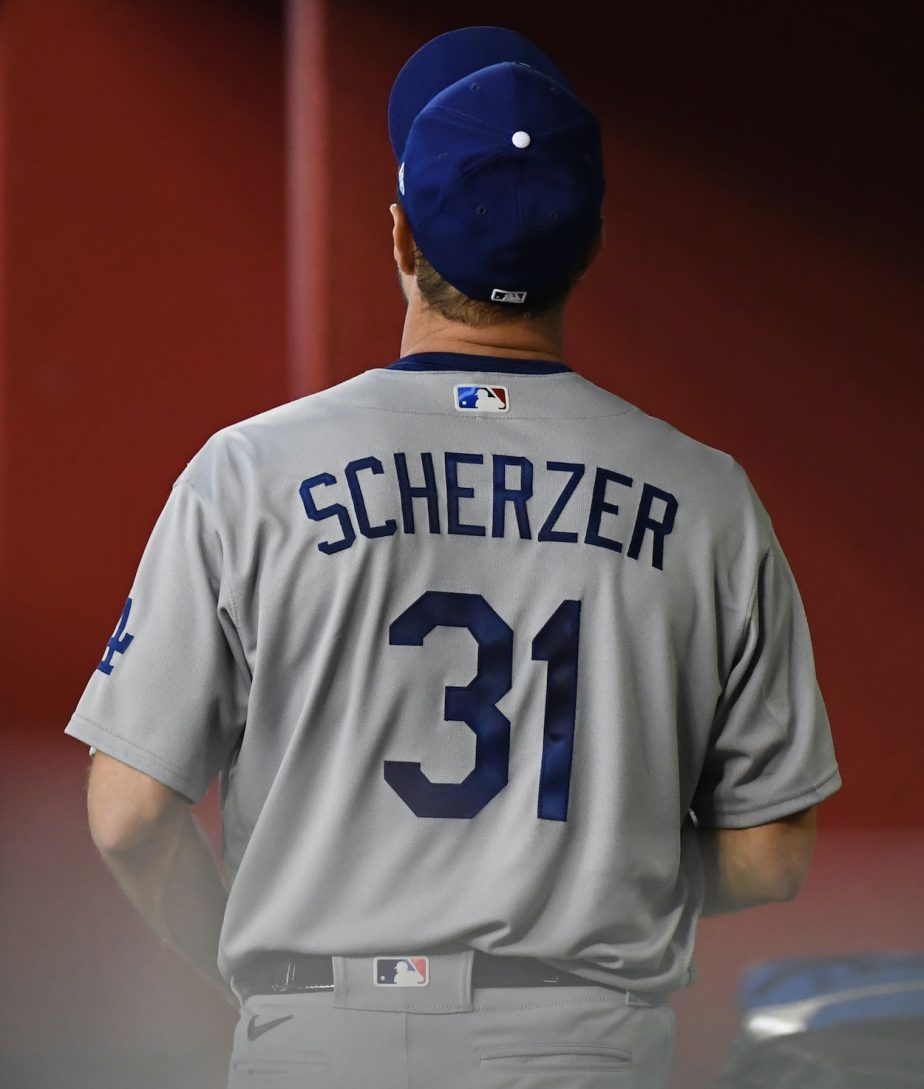
Max Scherzer isn’t retiring on the porch. At 41 and 11 strikeouts from 3,500, the three-time Cy Young winner cleared a high bar for himself long ago, and he’s unlikely to walk away on the doorstep of history. After a rough, injury-marred 2025 (5.19 ERA across 17 starts, right thumb trouble), Scherzer appears poised for a late signing strategy: a shorter, high-leverage role that preserves him for October while giving contenders a veteran edge. Below: the three teams that make the most sense if Boras plays the Clemens card and Mad Max markets himself as a postseason weapon rather than a 162-game solution.
The Clemens Blueprint: Why a Late Signing Makes Sense
Roger Clemens’ late-career pattern — waiting until May or June to join a contender — is the likely template here. For Scherzer, the calculus is simple: the full-season grind at 41 risks durability and effectiveness, but a midseason signing turns him into a pseudo–deadline acquisition without sacrificing prospects. Teams chasing October innings get a high-floor, high-impact arm for the stretch and postseason; Scherzer gets a shorter runway to chase milestones and finish his career on his terms.
An MLB executive recently offered a succinct read: “I wouldn’t bet against him. He’s incredibly competitive. In a sprint, I’d take my chances on Max even at 80% of what he used to be.” That’s the selling point, five strong postseason innings from a proven championship performer can be worth more than a full year of marginal starts.
1. San Diego Padres
Why it fits: The Padres are in win-now mode and suddenly thin in rotation depth after offseason attrition and Yu Darvish’s expected recovery timeline from elbow surgery. Nick Pivetta emerged as a bona fide top starter in 2025, but behind him the depth chart is shaky.
- Role: Short-season starter — high-leverage September/October innings, mentor for younger arms.
- Contract profile: One-year, pro-rated deal or short-term MLB contract to preserve postseason eligibility.
- Upside: Veteran leadership and playoff experience on a club that is already assembled to push deep into October.
- Risk: Health durability and whether Scherzer can hold command deep into high-leverage outings.
Preller’s appetite for big-name, short-term upgrades makes San Diego a natural suitor. Scherzer won’t be asked to carry the rotation; he’ll be the steadying hand when the games matter most.
2. Baltimore Orioles
Why it fits: Baltimore’s 2025 regression exposed a rotation that needs a cultural and performance reset. The O’s went from back-to-back 96-win seasons to 75 wins, and their staff posted one of the league’s higher ERAs and WHIPs. With veterans like Zach Eflin testing free agency and Grayson Rodriguez moved in trades, Baltimore lacks a true clubhouse bulldog.
- Role: Mentor/stopgap front-end option who stabilizes outings and teaches young starters postseason habits.
- Contract profile: One-year prove-it contract — low cost, high embedded value.
- Upside: Immediate improvement to rotation performance and intangible lift to a youthful staff.
- Risk: If Scherzer’s command slips, the O’s could lose innings they can’t afford to replace.
For Baltimore, Scherzer is less about 200 innings and more about changing texture in the clubhouse and postseason readiness for a staff that needs someone who’s been there before.
3. Arizona Diamondbacks
Why it fits: There’s poetic value in a desert homecoming — Arizona drafted Scherzer in 2006 — and pragmatic reasons beyond nostalgia. The D-backs boast top arms like Zac Gallen and Merrill Kelly but could use a short-term veteran to bridge the dog days and postseason chase.
- Role: Midseason addition to steady the rotation and provide playoff-caliber innings.
- Contract profile: Late signing with clear postseason usage; front office willing to spend for targeted veteran upgrades.
- Upside: Experience in high-leverage postseason starts and a low prospect cost compared with a conventional trade.
- Risk: Team must manage innings carefully to avoid diminishing Scherzer’s October effectiveness.
Arizona gets both the narrative and the practical return: a veteran who can eat innings when needed and still strike out batters at an above-average clip.
The Verdict
Max Scherzer’s 5.19 ERA in 2025 isn’t a resume-ender, it’s a data point that shifts his market toward short-term, high-impact fits. Whether it’s San Diego’s win-now hunger, Baltimore’s need for a cultural reset, or Arizona’s blend of sentiment and competitive ambition, Scherzer’s best path is likely a May–June signing that converts him into a deadline-caliber pickup without the price of prospect capital. Someone will roll the dice — because when October arrives, there are still very few pitchers you’d rather hand the ball to than the man chasing 3,500 strikeouts.