
Coach buyouts have become one of the biggest financial drivers in major college football. The top jobs now include multi year guarantees that protect coaches against early firings and leave schools with huge liabilities if results collapse. These buyouts can exceed the total value of a university athletic budget and often require outside help to cover. They also shape how long universities stick with head coaches before considering a change. With schools spending at historic levels to keep elite coaches, the financial consequences of early exits have never been bigger.
This list ranks the ten largest active buyouts among current FBS head coaches at the end of September 2026. These figures reflect what schools would owe if a coach was fired without cause at this time. Many of these contracts are fully guaranteed or close to it which drives these numbers to historic levels.
Top 10 Coach Buyouts in College Football in 2026
- Kirby Smart, Georgia, $105.1 million
- Lincoln Riley, USC, about $90 million
- Lane Kiffin, LSU, $72.8 million
- Ryan Day, Ohio State, $70.9 million
- Kalen DeBoer, Alabama, $60.8 million
- Steve Sarkisian, Texas, $60.3 million
- Dabo Swinney, Clemson, $60 million
- Mike Norvell, Florida State, $58.7 million
- Dan Lanning, Oregon, $56.7 million
- Curt Cignetti, Indiana, $56.7 million
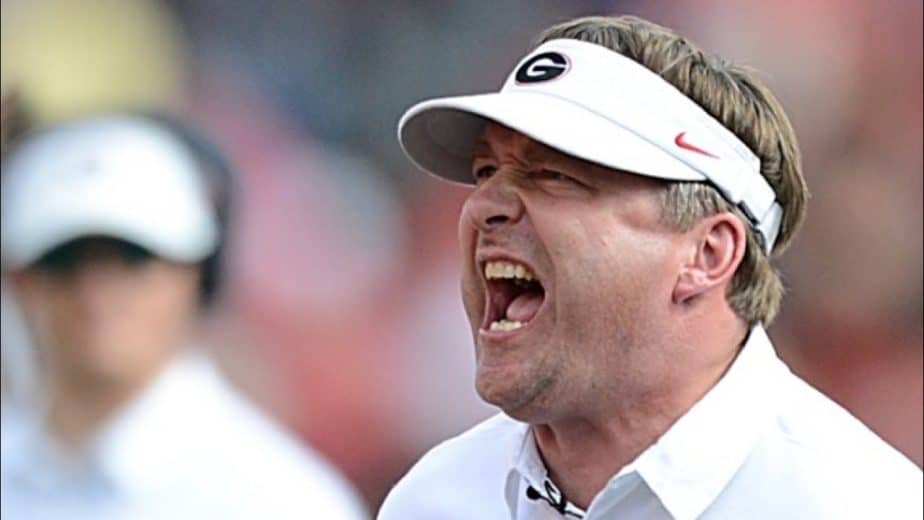
1. Kirby Smart, Georgia, $105.1 million
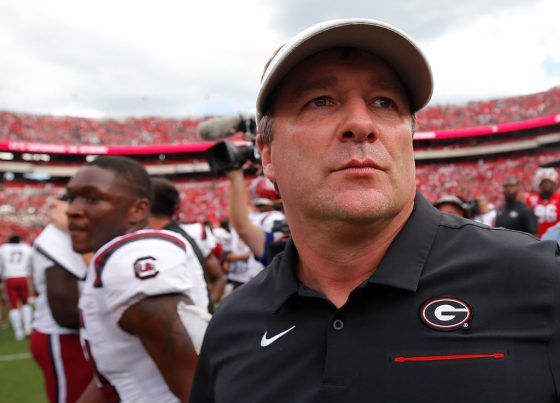
Kirby Smart holds the largest active buyout in college football at roughly $105 million. Georgia extended Smart in 2024 on a ten year deal through 2033 with almost all of the money guaranteed. If Georgia fired him before the end of 2028, the entire remaining value would be owed which explains the historic size of this figure.
Even after 2028, the vast majority remains guaranteed for the rest of the term. His annual salary averages around thirteen million which keeps the remaining value extremely high. Smart also has performance incentives that raise annual totals through the mid 2030s.
The structure protects him against any short term downturn and gives the school almost no financial exit. At this point, Smart has more financial security than any coach in the sport.
2. Lincoln Riley, USC, ~$78 million
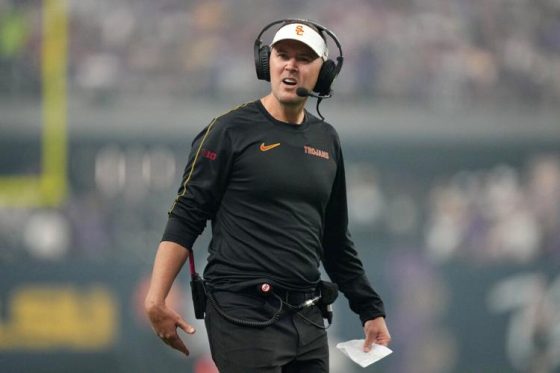
Lincoln Riley’s buyout is not public because USC is a private school but most credible estimates place it close to $78 million in December 2025. Riley reportedly signed a ten year contract when he arrived from Oklahoma with a total value in the range of $110 million with a salary of $11 million.
USC’s willingness to match the largest public contracts created a number that likely exceeds most public school deals at this point in 2025. Riley’s private status makes the exact figure unclear but the size of the reported contract makes this estimate reasonable within industry expectations.
3. Lane Kiffin, LSU, $72.8 million
Lane Kiffin’s new LSU contract signed in December 2025 gives him one of the biggest buyouts in college football. The agreement runs seven years for $91 million dollars and pays Kiffin about $13 million per season. Roughly eighty percent of the remaining salary is owed if LSU fires him without cause.
The deal contains no offset language which means LSU carries the burden even if Kiffin takes another job. This structure pushed the guaranteed value to more than $71 million on day one. LSU committed long money to land him from Ole Miss and accepted a major financial obligation in the process. The size of this buyout signals LSU expects Kiffin to win at a national level right away.
4. Ryan Day, Ohio State, $70.9 million
Ryan Day extended with Ohio State after winning the 2024 national title which moved his buyout into the $70 million range by late 2025. His deal runs through 2031 at roughly $12.5 million per year with a very high guaranteed share. If Ohio State fired him without cause, reports indicate the school would owe most of the remaining value. Even with possible offset language, the owed amount remains near the listed figure.
Day’s future earnings at another job would reduce the total payout but Ohio State would still be on the hook for a major share. His track record and the title run placed him in the upper tier of guaranteed money. Any change in direction at Ohio State would be extremely expensive.
5. Kalen DeBoer, Alabama, $60.8 million
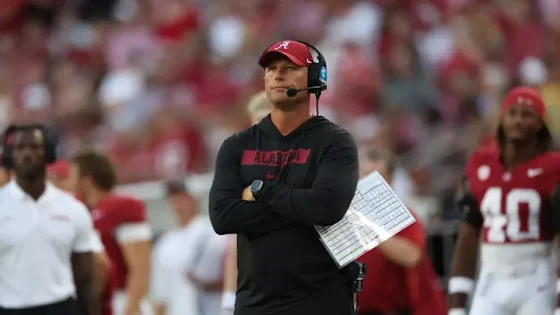
Kalen DeBoer signed a ten year contract when he replaced Nick Saban in early 2024 and 90 percent of the remaining salary is guaranteed if Alabama fires him without cause.
His buyout near $61 million reflects that guarantee percentage based on the remaining term. There is no mitigation clause which prevents Alabama from reducing the payout if DeBoer takes a new job. His annual pay sits over $10 million which keeps the total high well into the next decade.
Alabama wanted stability after Saban retired and agreed to a structure that protects DeBoer from early pressure. The financial cost of moving on would be substantial.
6. Steve Sarkisian, Texas, $60.3 million
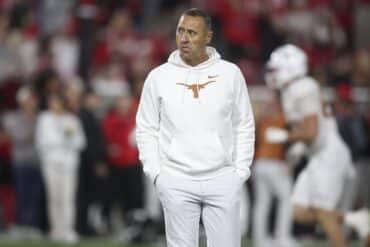
Steve Sarkisian was extended in early 2025 after reaching back to back College Football Playoff semifinals which pushed his buyout over $60 million. His salary now sits around $10.8 million per year and most of the remaining contract is guaranteed. If Texas fired him without cause at the end of 2025, the buyout would be just over $60 million based on remaining salary.
This figure rose significantly from the previous year due to the extension. Texas has shown a willingness to invest at the top of the market and accepted a major guarantee to secure stability. S
arkisian’s recent results and recruiting momentum helped justify the increase. The buyout would still be among the highest in the sport even after another full season.
7. Dabo Swinney, Clemson, $60 million

Dabo Swinney signed a ten year deal in 2022 worth about $115 million which runs through 2031 and remains one of the most guaranteed contracts in the country. Dabo’s buyout stayed at roughly $60 million through the end of 2025. Clemson agreed to give Dabo massive protection in the first half of the deal. That’s why the buyout holds steady at around $60 million through 2025 and only dips slightly to $57 million in 2026.
The contract was structured to keep Swinney locked in long after Clemson’s championship run. He also has clauses related to his alma mater and departure options but the firing payout stays near the stated number for multiple years. Clemson effectively committed to paying almost the entire value barring rare circumstances. The school gained long term continuity but accepted major financial risk.
8. Mike Norvell, Florida State, $58.7 million
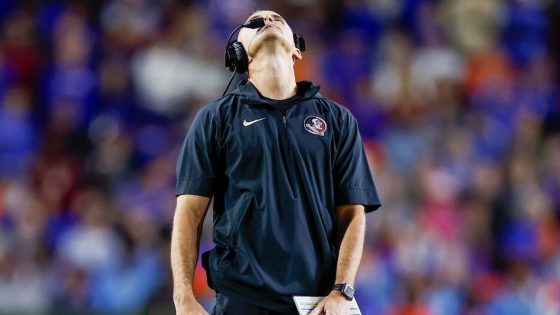
Mike Norvell is locked in through 2031, and about 85% of his remaining money is guaranteed if Florida State fires him without cause.
His salary dipped in 2025 after a rough season, yet Norvell’s buyout calculation stayed tied to the original guaranteed value. That leaves FSU responsible for roughly $58.7 million at the end of 2025.
The school tolerated short term results in exchange for keeping stability on the coaching staff. Norvell’s deal essentially protects him against a fast move by the administration.
Florida State’s decision to stay with him created one of the biggest safety nets in the country. Even after the salary adjustment, the potential payout ranks among college football’s largest.
9. Dan Lanning, Oregon, $56.7 million
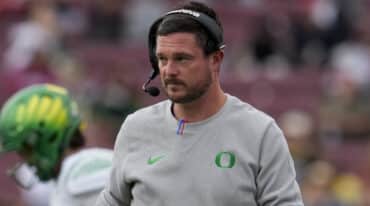
Dan Lanning’s buyout sits near $56.7 million after Oregon pushed his contract through 2030. His 2025 pay is already above $10 million and the bulk of what remains is owed if he is fired without cause.
Oregon acted early during interest from other programs and locked in a long runway for Lanning to continue building. That move effectively priced any quick change out of reach.
The school has been aggressive since joining the Big Ten, and this deal reflects a commitment to compete at that level.
Lanning also benefits from a structure that keeps most of the guarantee intact across the remaining years. The current number signals Oregon expects long term continuity rather than short term pressure.
10. Curt Cignetti, Indiana, $56.7 million
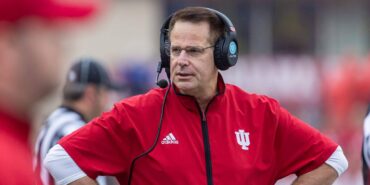
Curt Cignetti’s extension created a buyout equal to about $56.7 million, a stunning figure for a program not known for spending at that level. Indiana pushed his annual pay above $8 million and built a structure that requires the school to pay most of the remaining salary if it moves on.
The turnaround he produced convinced Indiana to invest beyond its usual scale. Few Big Ten programs outside the traditional powers have made this kind of guaranteed commitment.
The school essentially bet that Cignetti’s early momentum reflects a sustainable path. With most of the deal guaranteed, Indiana has taken on real financial risk in exchange for long term stability.
It is a dramatic statement about where the program expects to be over the next several seasons, but it could already be paying dividends as Indiana enter the CFP as the number one ranked team in the country.