
Booster insurance is one of the newest trends in college athletics. As NIL (Name, Image, and Likeness) money keeps growing, boosters and collectives are using insurance to protect their investments. This guide explains what booster insurance is, how it works, and why it’s becoming essential in the NIL era.
What Is Booster Insurance in NIL?
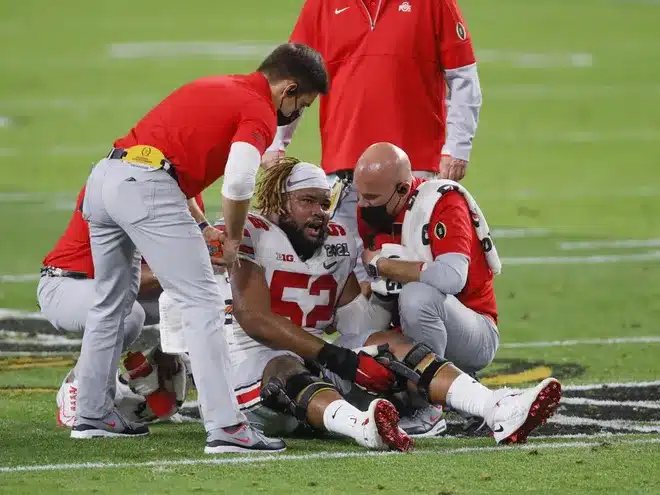
Booster insurance is a type of policy that protects donors, collectives, or businesses funding NIL deals with college athletes. If an athlete suffers a major injury and can’t play, the insurance reimburses the booster for the money invested. The athlete still gets their NIL payout, but the booster’s financial risk is reduced.
In short, it’s injury protection for the people paying for NIL contracts, not for the athletes themselves.
How Does Booster Insurance Work for NIL Collectives?
When a booster or collective funds an NIL deal, they can buy an insurance policy tied to that agreement. The policy costs a small percentage of the total contract, typically around 3%. If the athlete gets injured before a set date, the insurer refunds some or all of the booster’s commitment.
Example breakdown:
- A booster commits $1 million to an athlete’s NIL deal.
- The insurance premium costs about $30,000 (3%).
- If the player suffers a season-ending injury early in the year, the insurer pays back the full $1 million.
- If the injury happens later, the payout might drop to 50%.
The key idea: boosters get their money back, athletes keep theirs, and the NIL agreement stays intact.
Why Booster Insurance Exists in College Sports
With NIL deals reaching into the millions, boosters and collectives are exposed to major financial risk. Injuries are part of sports, but before these insurance products, there was no way to recover lost NIL payments. That led to hesitation and “booster fatigue,” a slowdown in donations after major losses.
Programs such as Arkansas under John Calipari have started using companies like 32 Group, which is backed by Lloyd’s of London, to create structured booster insurance models. These protect large NIL investments and make donors more willing to keep funding athletes year after year.
Who Pays for Booster Insurance Policies?
The booster or NIL collective usually pays the insurance premium. The athlete doesn’t contribute, and they still receive their full NIL payment even if they’re hurt. The insurance company takes on the injury risk and reimburses the booster if the claim is approved.
That means:
- Boosters protect their money.
- Athletes keep their NIL earnings.
- Insurers get a new revenue stream in the college sports market.
This setup has made NIL fundraising more sustainable, especially for programs relying on donor collectives.
Limitations of Booster Insurance
While it offers financial protection, booster insurance has strict conditions. Most policies cover only season-ending injuries that happen during a specific period. Pre-existing injuries, transfers, suspensions, or performance issues don’t qualify.
Insurers also evaluate each athlete’s injury history and the sport’s risk level. Contact sports like football and basketball often come with higher premiums or tighter coverage limits. The policies must also comply with NCAA and state NIL laws.
Impact of Booster Insurance on NIL and College Athletics
Booster insurance has the potential to reshape NIL fundraising. It gives donors peace of mind and encourages consistent funding for athletes and teams. It also helps collectives manage risk as NIL commitments grow larger and more complex.
At the same time, it highlights how professional college sports have become. Boosters are acting more like investors, using risk management tools that were once limited to pro sports. The presence of insurance firms like 32 Group shows that NIL has matured into a structured financial ecosystem.
Will Booster Insurance Become Standard in NIL Deals?
Probably. As NIL valuations rise and contracts reach seven figures, more boosters are likely to demand insurance protection. It reduces exposure to injuries and keeps NIL programs financially stable.
Expect to see more schools, collectives, and major donors adopting booster insurance in the coming years, especially as policies become more affordable and easier to structure. The model protects everyone involved and keeps NIL money circulating in college sports.
Booster insurance is a sign of how far college sports have evolved. It protects boosters, keeps athletes paid, and brings stability to a fast-moving NIL market. For anyone funding or managing NIL deals, understanding booster insurance is quickly becoming part of the job.