

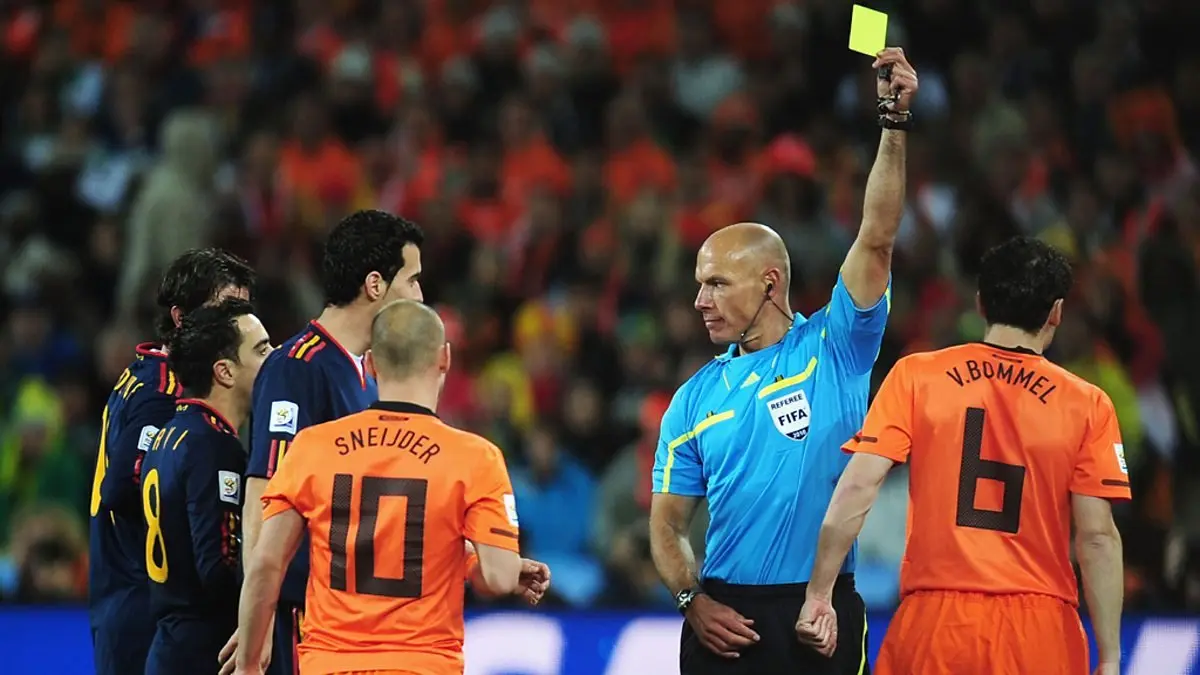
FIFA World Cup 2026 referees are set to earn approximately $100,000 for this summer’s tournament – with top officials in line for additional bonuses if they advance to the knockout rounds and the final on July 19. England’s Michael Oliver and Anthony Taylor have both been selected and are directly in line for that payday, reported by The Times as roughly £75,000 per official.
That $100,000 figure represents approximately double what referees earned at the 2014 World Cup in Brazil – and it doesn’t include the bonus upside for officials assigned deep into the bracket. For Oliver or Taylor, a final appointment would represent the largest single bonus of their careers. Full stop.
The Payments – What Referees Actually Earn at the 2026 World Cup
The $100,000 figure is understood to be the base tournament fee – not the ceiling. Prior World Cup structures, including those reported for Russia 2018 and Qatar 2022, layered per-match fees on top of a flat tournament payment, with referees earning roughly $5,000 per group-stage match and up to $10,000 per knockout assignment. The 2026 structure is expected to follow a similar model, which means the total package for an official who reaches the final comfortably clears six figures.
The confirmed data points, as reported:
- Base tournament fee: ~$100,000 (£75,000) per referee
- Comparison benchmark: Approximately double the 2014 World Cup fee in Brazil
- Knockout bonus: Additional per-match payments for officials retained past the group stage
- Final bonus: The largest single payment available – the specific figure has not been confirmed, but historical structures suggest it is material
- VAR officials: On a separate, lower pay scale – assistant referees and video match officials earn considerably less than the central referee
The honest caveat: FIFA does not publish an official pay grid, and the $100,000 figure comes via media sourcing rather than a formal FIFA disclosure. The structure is credible and consistent with the progression from prior tournaments, but the precise final-round bonus amounts remain unconfirmed.
For context on the financial scale surrounding this tournament, H2 Gambling Capital projects a $60 billion global betting handle on FIFA World Cup 2026 – a number that underscores why the officiating workforce commanding these fees is operating under an entirely different level of scrutiny than any prior generation of referees.
Oliver, Taylor, and Gillett – What Selection Actually Means
Michael Oliver and Anthony Taylor are two of the most recognizable officials in world football. Oliver’s profile was cemented by high-stakes Champions League assignments; Taylor has handled major finals at both club and international level. Both are elite-tier appointments, and their inclusion on FIFA‘s 2026 list reflects that standing.
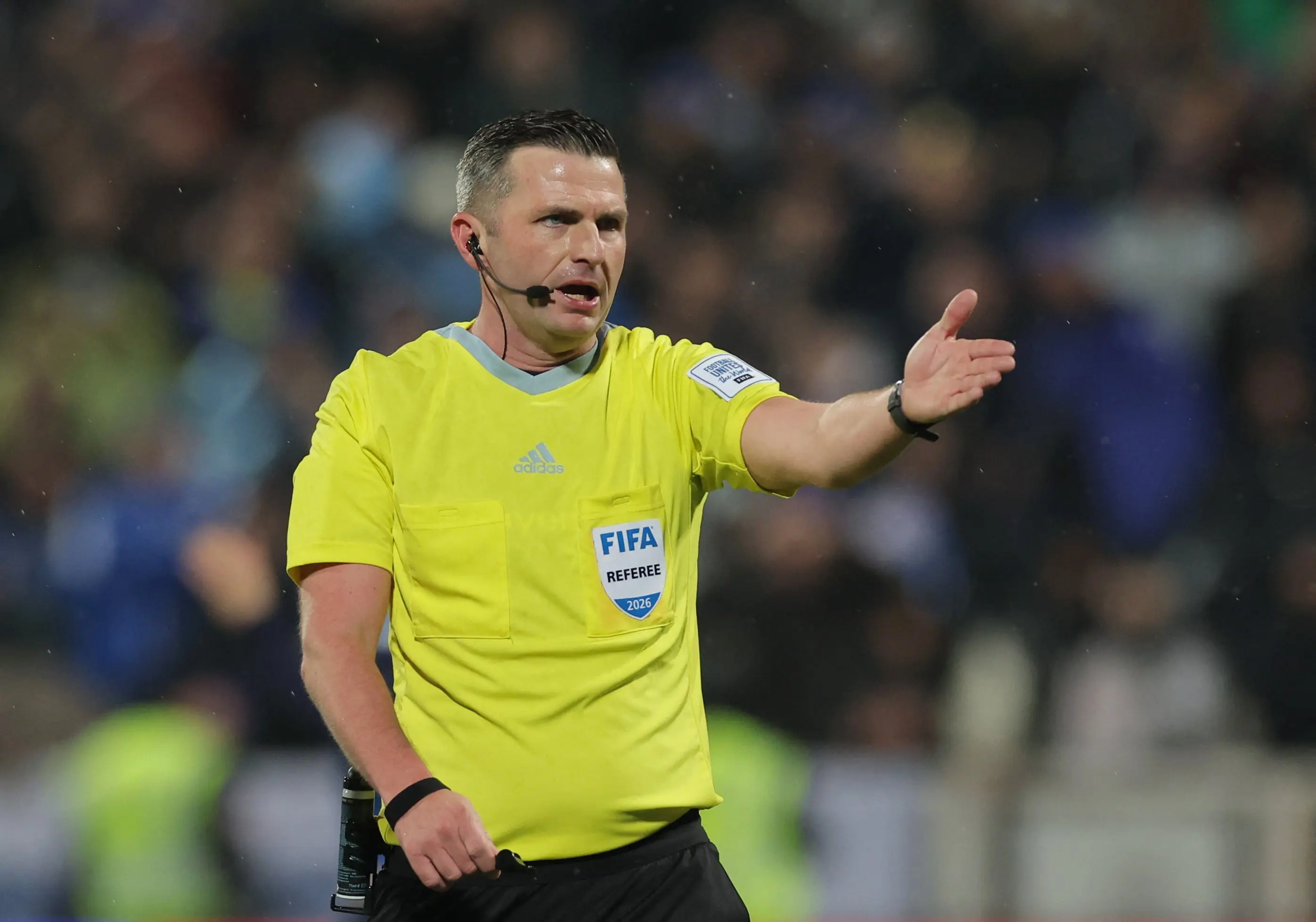
The final appointment is the career marker every referee at this level targets – and one of them is a realistic candidate. The honest accounting here: neither is guaranteed the final, and FIFA’s selection committee will assess performance match by match once the tournament begins. Referees are evaluated across years to earn selection, then evaluated again almost every game once they’re in. There is no coasting to the final on reputation alone.
The complicating factor is straightforward: FIFA protocol prevents any English referee from officiating a match involving England. If the English national team advances to the July 19 final, Oliver and Taylor are both off the table for that appointment. That’s not a footnote – it’s a meaningful constraint on their bonus ceiling, and it’s determined entirely by results on the pitch they have no control over.
Jarred Gillett, who works as a Premier League official, is at the tournament in a specialist VAR role – a position that reflects how video officiating has evolved into its own elite track at major tournaments. His compensation sits below the central referee tier, but his assignment signals that FIFA is treating VAR expertise as a distinct and valued specialism, not an afterthought.
The Wider Context – Scale, Prize Money, and What the Doubling Since 2014 Signals
The FIFA World Cup 2026 is the largest tournament in the event’s history – 48 teams, 104 matches, three host nations across the United States, Canada, and Mexico. That expansion drove a massive increase in officiating resources: 52 referees, 88 assistant referees, and 30 video match officials. The records and storylines that will define this tournament will be adjudicated by this workforce under a level of global scrutiny that didn’t exist in 2014.
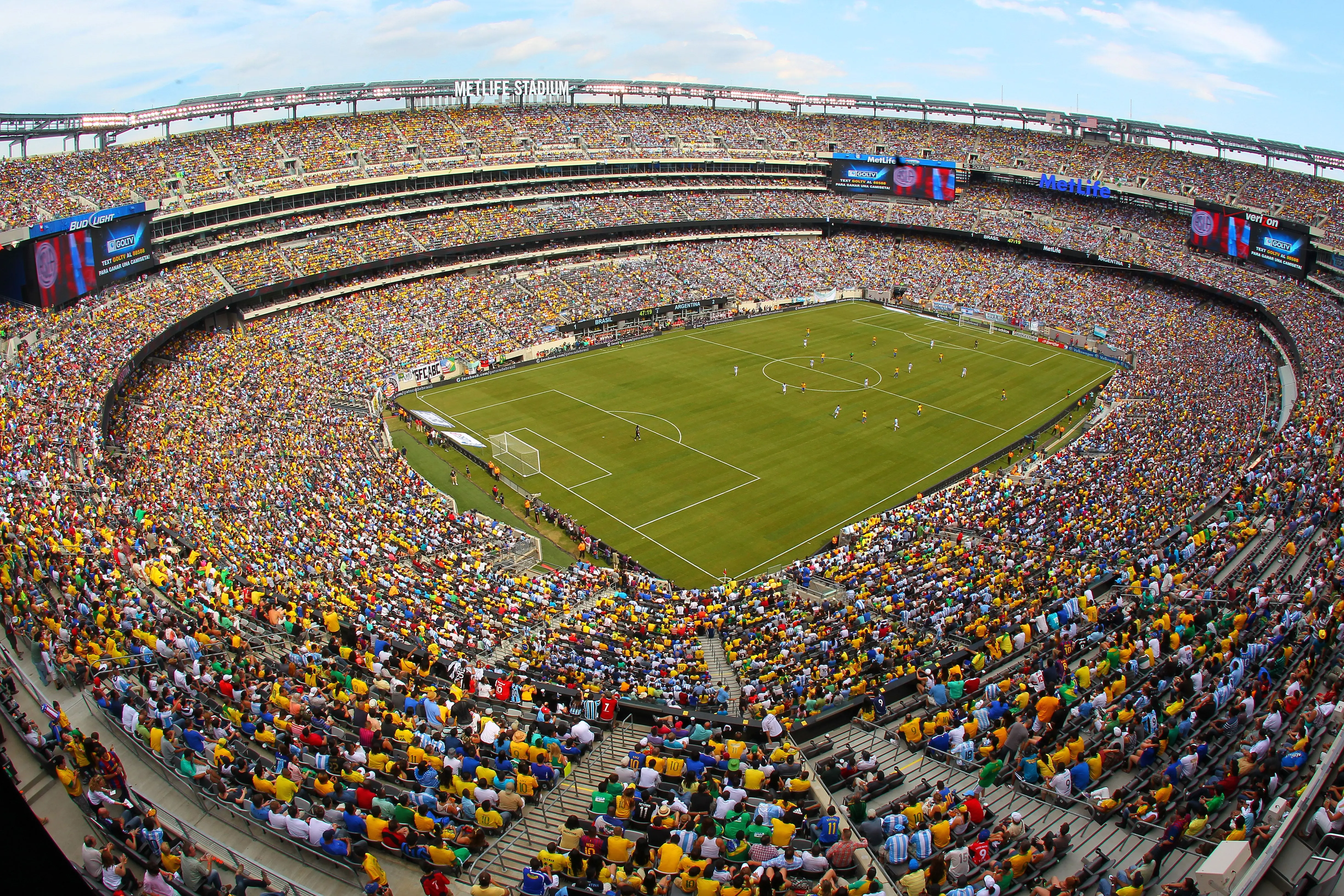
FIFA has approved almost $900 million in team-related payouts for 2026 – up from $700 million in Qatar – plus an additional $100 million to cover expanded logistical costs. Referee pay rising in parallel is not a coincidence. When the financial ecosystem inflates across the board, the officials running the games don’t stay at 2014 rates. The doubling of the referee salary since Brazil is a deliberate signal about how seriously FIFA is investing in officiating quality for the expanded format.
For a full picture of the tournament favorites and competition structure that these officials will be overseeing, the FIFA World Cup 2026 outright winner odds break down the field in detail. The stakes for every decision made on that pitch – and by every official behind a VAR screen – are reflected in those markets.
What Happens Next – The Signals That Will Tell You If This Worked
Watch for the full referee list and formal regulations, which FIFA is expected to publish closer to the tournament’s opening. That release will confirm the exact fee bands and bonus criteria – and may clarify whether VAR officials at the 2026 World Cup are on a meaningfully upgraded scale relative to Qatar 2022.
Watch whether Michael Oliver or Anthony Taylor draws a semifinal or final assignment once the knockout bracket takes shape. The July 19 final date is the hard deadline – and the appointment announcement in the days leading up to it is when the bonus question gets answered definitively. If England is not in the final, at least one of them becomes a live candidate. That is the only variable that matters once the group stage closes.