
Every year produces villains. Some earn it through controversy, others through overexposure, and a few simply because the internet needs someone to root against. In 2025, the athletes drawing the most backlash are not just disliked. They are magnets for boos, memes, angry quote tweets, and nonstop arguments across sports and pop culture.
This list reflects an analysis of 2025 sentiment, led by social media reaction, fan backlash, and the consistency of negative attention. It focuses on who drove the loudest, most sustained hostility this year across multiple platforms and sports conversations. So let’s see who drew the most public heat in 2025.
Top 10 Most Disliked Sports Figures in 2025
1. Jake Paul
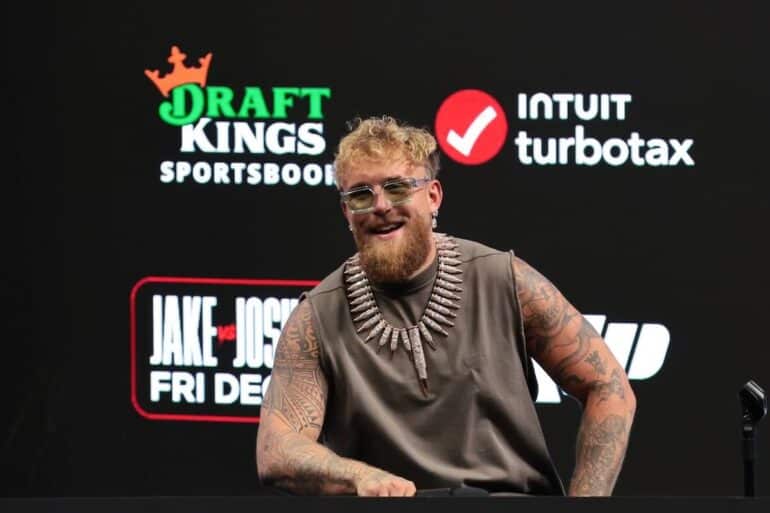
Jake Paul sits alone at the top. No one else in sports creates the same mix of mass visibility and mass hostility. His fights pull in people who do not even like boxing, and a big chunk of that audience tunes in to watch him lose. He leans into the villain role, talks like he wants people furious, and then turns every reaction into content.
Even fans who admit he is good for the sport still treat him as a problem they want solved in the ring. That is why he is the clear No. 1 in 2025. He is the rare figure whose hate is not confined to one fan base or one sport.
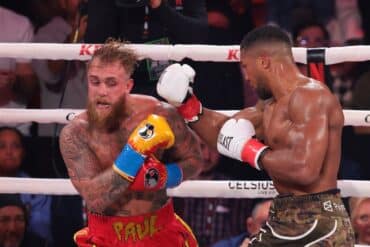
His recent loss to Anthony Joshua led to a flood of memes as Paul was hospitalized with a broken jaw and could not eat solid food for a week. Needless to say, this made the internet happy, even if only for a short while.
2. LeBron James
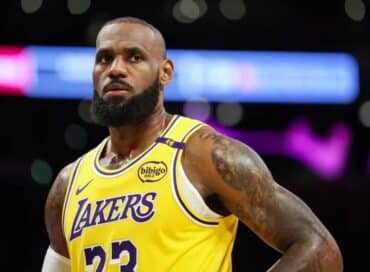
LeBron is this high because the scale of the backlash is enormous and constant. Two decades of dominance creates fatigue, and fatigue turns into resentment. Every on-court moment gets judged through the same tired arguments: legacy debates, rings talk, and accusations that the media protects him. That noise never goes away, and in 2025 it stayed loud.
Off the court, he remains a headline generator. His business moves and public comments invite pushback fast. The result is a polarizing figure who has millions of supporters but also a huge crowd waiting to mock anything that goes wrong.
3. Andrew Tate

Tate belongs here because the backlash follows him everywhere, including into combat sports culture. In 2025, he stayed active enough in the fight space to keep his name circulating, and the reaction remains overwhelmingly negative. A lot of people see him as a symbol of online toxicity, and they respond accordingly every time he trends.
He is also an unusual case where the hate crosses beyond sports fans. People who do not watch fights still jump into the conversation because they dislike what he represents. That creates nonstop hostile engagement that most athletes cannot match.
His loss to Chase DeMoor in a Misfits boxing bout in December made many people very happy.
4. Logan Paul
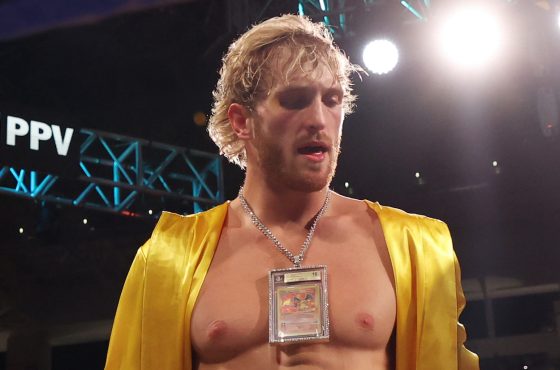
Logan Paul draws loud hate in a way you can actually hear. WWE crowds boo him on sight, and the reaction is not subtle. Even when he performs well, plenty of fans treat him as an outsider who did not earn his spot the traditional way. That resentment has not faded in 2025.
He also carries years of baggage that never fully goes away. When his name pops up, the replies fill with the same criticisms, the same jokes, and the same hostility. The negative attention is consistent and easy to predict.
5. Aaron Rodgers

Rodgers has shifted from being merely polarizing to being another fatigue figure. Fans are tired of the side plots, tired of the cryptic commentary, and tired of the constant debate around him. In 2025, that annoyance has become part of his public identity. Even people who respect his career often sound like they want the conversation to end.
He still generates huge reaction when he speaks, and the reaction is often negative first. It is not only about scandals. It is about who consistently triggers backlash and who becomes a punchline the second the spotlight hits.
6. Travis Kelce
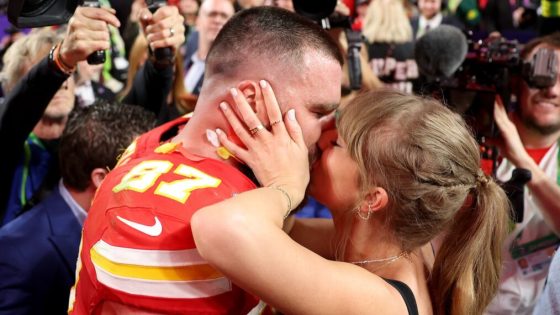
Kelce makes the list because he became a prime target for overexposure backlash because of his engagement to Taylor Swift. His on-field success did not change. The attention around him became even bigger. In 2025, the constant exposure pushed even more casual fans from mild annoyance into open frustration, and that irritation shows up every time he’s on screen.
It is not that people think he is bad at football. It is that they feel like they cannot escape him. When that happens, even harmless clips turn into hate piles, and the tone around him shifts from playful to openly hostile.
7. Patrick Mahomes

Mahomes remains one of the most polarizing figures in sports, not because of anything he has done wrong, but because of the way he is presented. The on-field success is undeniable, but the nonstop praise has created real backlash. For a growing segment of fans, the frustration is less about Mahomes himself and more about the way every moment of his career is framed as historic.
A major driver of that fatigue is the broadcast treatment, particularly the constant praise from analysts like Cris Collinsworth. Games involving Kansas City often turn into extended monologues about Mahomes’ greatness, even during routine plays or stretches where he is struggling. Fans who already feel saturated by Chiefs dominance end up pushing back not just against the commentary, but against Mahomes himself.
In 2025, that dynamic has only intensified. Even while injured, he remains central to NFL conversation, which keeps the backlash alive. It is less about his play and more about the sense that he is inescapable. For many viewers, that overexposure has turned admiration into irritation.
8. Shedeur Sanders
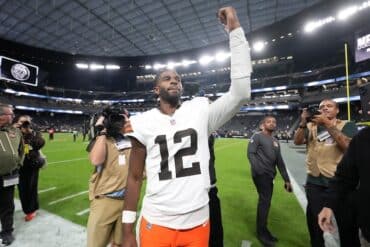
Shedeur landed in the pros and instantly became one of the most debated young athletes in the sport. Part of it is his confidence and the way he carries himself. Part of it is the hype machine around him. In 2025, that combination created a harsh split: supporters treat him like a future star, while critics treat him like a manufactured product.
The draft narrative only poured fuel on it. People argued about where he should have gone, why he slid, and what it says about him. The volume of reaction is the key point. His name pulls strong opinions every single time it comes up.
9. Deshaun Watson
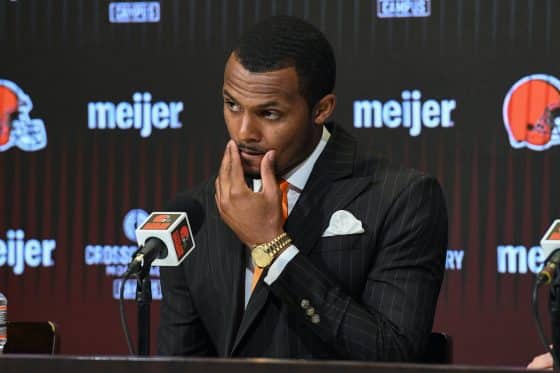
Watson is on this list for one reason: the allegations that reshaped his public image and made him a permanent lightning rod. A lot of fans do not treat him like a normal player because the conversation around him never stays on football. Even people who do not follow the NFL closely tend to know the headline and react emotionally to it.
Even though he has not been on the field this year, the backlash still exists, but it shows up differently. It shows up in how people talk about him online, how they talk about the Browns, and how quickly his name turns any discussion toxic. The dislike is not driven by 2025 performances. It is driven by the underlying controversy and the way it still sits with a large chunk of the audience.
10. Novak Djokovic
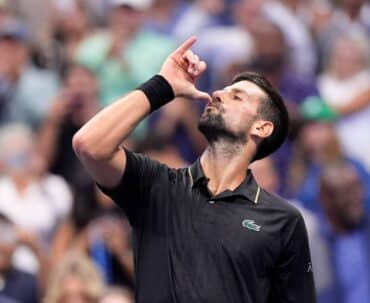
Djokovic remains one of the most polarizing figures in global sports, and much of that comes from how he presents himself off the court. While his résumé is nearly untouchable, his public comments and posture on social issues have repeatedly alienated large portions of the fan base. Over the years, his remarks about women’s tennis, prize money, and gender dynamics in the sport have drawn sustained criticism and reinforced the perception that he is out of step with modern expectations.
That tension has only grown in recent seasons. Even when he is winning, crowd support often skews against him, and online discourse regularly turns hostile. For many fans, the frustration is not about his ability, but about the tone he sets and the causes he chooses to align with. The result is a player who continues to dominate the sport while remaining one of its most polarizing and least warmly received champions.