

Pat McAfee is in active negotiations with ESPN on a contract extension that could pay him more than $60 million per year – roughly double his current deal – and the number alone was enough to fracture sports media Twitter within hours of the report dropping. Andrew Marchand of The Athletic broke the news, placing the negotiation range at $50 to $65 million annually, with McAfee’s representatives having initially floated a figure closer to $100 million per year before talks settled into their current range.
This is not just a salary negotiation story. It is a referendum on what ESPN is, who it is building toward, and whether the network’s internal logic – which has produced high-profile layoffs alongside this kind of premium outlay – is coherent. The reaction is already the story.
McAfee set to double ESPN deal to $60m
Marchand‘s reporting in The Athletic established the core facts: McAfee‘s current deal, signed approximately three years ago, pays him around $30 million annually and has two years remaining. That arrangement covers his daily live show, his role as a panelist on College GameDay, and various other ESPN appearances. ESPN has structured the deal as both a production contract and a separate talent agreement – a distinction Marchand notes is atypical for the network, reflecting that ESPN is effectively licensing a fully produced show from McAfee‘s company rather than simply hiring a personality.
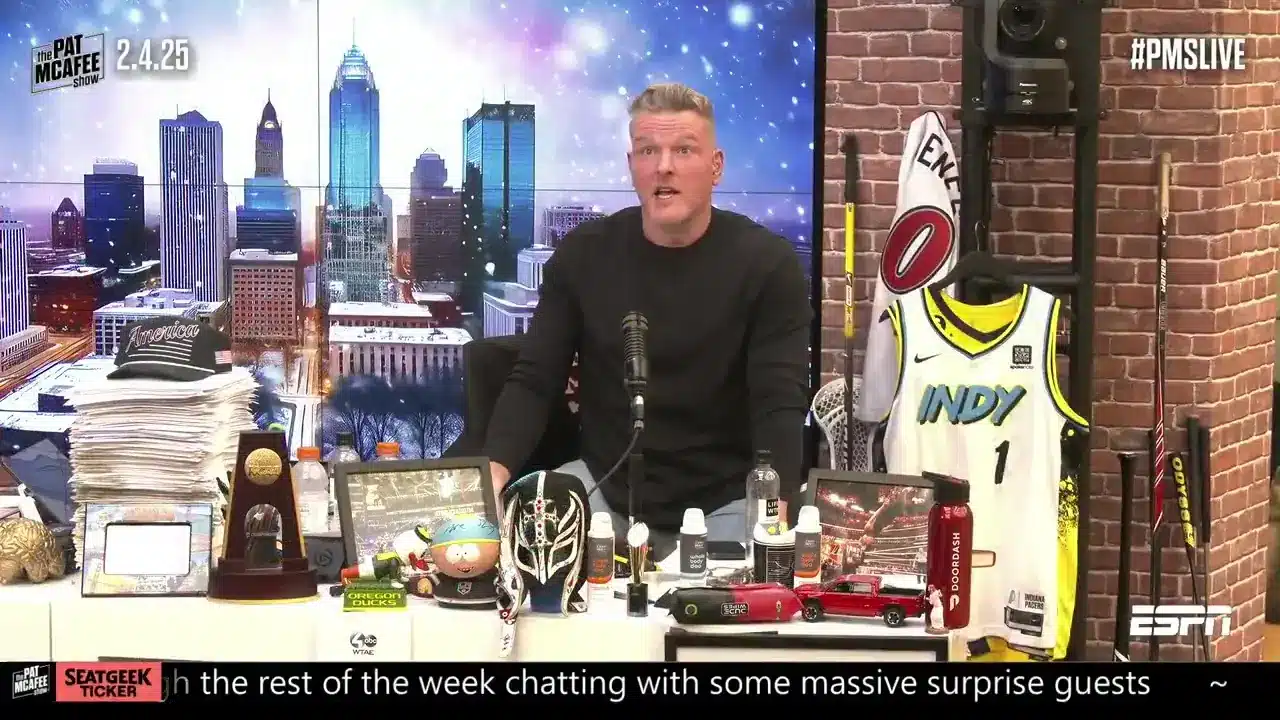
The proposed extension would be “more than $60 million per year,” per Marchand, with the final number potentially operating as a sliding scale tied to expanded responsibilities – including a larger role in ESPN‘s NFL coverage. TKO Group, led by Ari Emanuel and Mark Shapiro and carrying deep ties to both WWE and UFC, is reportedly involved on McAfee‘s side, which signals this is being handled as a large-scale media rights negotiation rather than a conventional talent renewal.
Fan response on X was immediate and divided. One commenter wrote, “ESPN is obsessed with ruining their product” with moves like this. Another stated flatly: “$60 million per year? No TV personality is worth that.” A third framed it as systemic: “Everything in this country now just involves funneling large amounts of money to rich people and celebrities. You say it’s market value. Sure, because the market is controlled by the wealthy and ultimately manipulated to benefit them.” On the other end, at least one fan cut directly to the point: “He is literally the only thing worth watching on ESPN. Finally, they make a good decision.”
McAfee and ESPN – Why This Combination Has This Kind of Pull
McAfee‘s specific audience profile is what makes this number generate heat far beyond the usual sports media contract chatter. He is not a traditional broadcaster. He is a former NFL punter, a WWE commentator and occasional in-ring performer, a daily live-show host with a loyal digital-native following, and a central node in the gambling-adjacent NFL discourse ecosystem. That combination means his fanbase does not map cleanly onto the audiences that consume Stephen A. Smith or Troy Aikman – and it is precisely that distinction that justifies ESPN‘s internal case for this number.
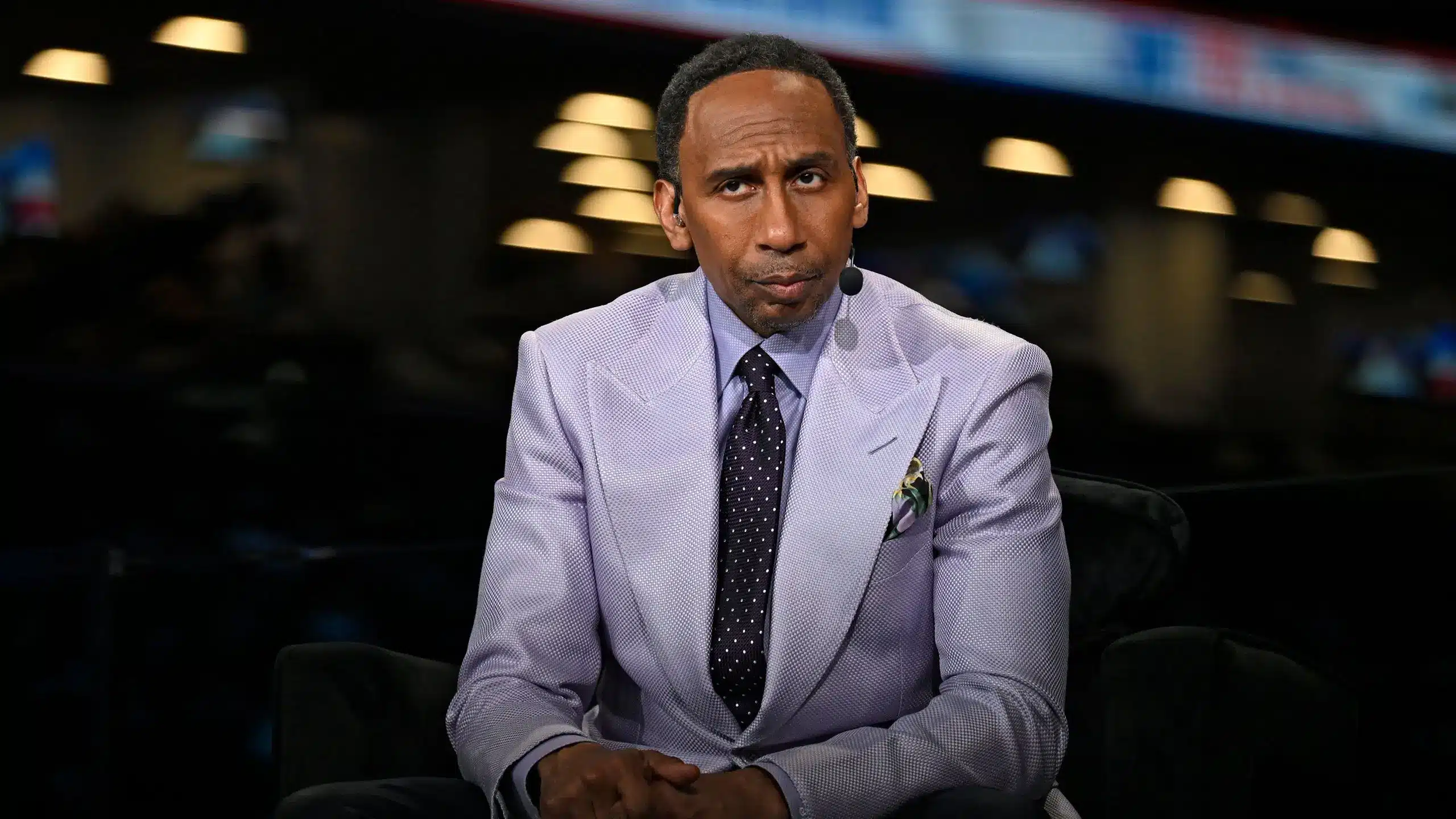
For context on the salary hierarchy this would create: Aikman reportedly earns approximately $18 million annually from ESPN for Monday Night Football. Smith‘s ESPN income is widely estimated in the $12 to $15 million per year range. A finalized deal at $60 million-plus would make McAfee more than triple Aikman‘s pay and would reset ESPN‘s internal compensation ceiling in a way that cannot be quietly absorbed. Media analyst Clay Travis said directly that the rumored figure shows ESPN has decided McAfee is “the new face” of the network. Smith has publicly acknowledged that his own next negotiation will be benchmarked against whatever McAfee gets.
ESPN‘s production-plus-talent structure also matters here. The network licenses 230 fully produced shows annually from McAfee‘s company, with McAfee maintaining ownership of the show’s IP and covering his staff’s salaries out of his deal. That means ESPN is partly paying a production company – bundling his show’s ad inventory into its broader sales operation – which provides a business rationale for a number that would otherwise look untethered from market norms. This context is largely absent from the fan backlash conversation, and that gap is structurally significant. As broader NFL media rights negotiations have demonstrated, the line between talent fees and production licensing has become genuinely blurry at the top end of the market.
The Social Mechanics – Why This Travels Beyond the Core Audience
At least 4 distinct audience communities are distributing this story, and they do not significantly overlap in their normal consumption habits. The aggregate reach is not additive. It is multiplicative.
The first community is McAfee‘s existing fanbase – digitally native, NFL-obsessed, heavily represented on YouTube and X, and conditioned to treat McAfee‘s show as a daily ritual. For them, this story confirms something they already believe: that their guy is the most valuable personality in sports media. They share the number as validation.
The second community is anti-ESPN populist sports fans – a large, loosely organized group whose primary engagement with sports media news is grievance-based. They are active on X, Reddit, and sports talk forums, and they have been sharpened by years of high-profile ESPN layoffs – Jeff Van Gundy, Jalen Rose, Max Kellerman – that contrast sharply with this outlay. For them, the $60 million figure is not about McAfee specifically. It is evidence of institutional dysfunction, and they share it as such.
The third community is sports betting and gambling-culture media consumers – an audience that McAfee has cultivated deliberately through his NFL content and his history with FanDuel, where he walked away from a four-year, $120 million sponsorship to join ESPN in 2022. This community tracks sports media economics the way fantasy players track usage rates, and a $60 million contract figure is the kind of number they interrogate with genuine analytical interest. The scale of money now moving through sports betting media makes a $60 million personality deal feel proportionate to them in a way it does not to general sports fans.
The fourth community is sports media industry watchers – journalists, agents, executives, and media critics who understand that this negotiation has implications well beyond McAfee himself. Smith‘s public acknowledgment of the benchmark dynamic is their signal. This community distributes the story on X and in trade publications because it is genuinely consequential for how sports media talent is valued going forward.
What’s Confirmed and What Isn’t
What is confirmed: McAfee‘s current ESPN contract pays approximately $30 million annually; it has roughly two years remaining; Marchand of The Athletic reported that extension negotiations are actively underway; the negotiation range has been reported at $50 to $65 million per year; McAfee‘s current deal is structured as both a production contract and a talent agreement; and TKO Group is involved in the negotiations on McAfee‘s behalf.
What is not confirmed: the final contract value; whether a deal will be reached at all; the specific expanded responsibilities that would trigger any sliding-scale adjustments; the precise timeline for a resolution; and whether the $100 million per year figure attributed to McAfee‘s initial ask accurately reflects the negotiating posture or is a strategic leak. The $60 million-plus figure is sourced reporting from Marchand, not a signed agreement, and ESPN has not publicly confirmed any aspect of the negotiation.
What to Watch Next
The first signal to track is whether ESPN and McAfee‘s team reach an agreement before the current deal enters its final year – likely sometime in 2025. If a deal is announced with a figure at or above $60 million, the immediate consequence is a compressed renegotiation cycle among other top ESPN talents, starting with Smith, who has already flagged the benchmark publicly. If no deal is announced and the current contract runs toward expiration, it raises the question of whether another platform – Amazon, Netflix, a standalone digital model – enters the conversation.
The second signal is any announcement of expanded NFL responsibilities. Marchand‘s reporting flagged Monday Night Football and draft coverage as potential growth areas. If McAfee is formally added to either property, it would both confirm the deal’s direction and clarify what ESPN is actually paying for – a show license, a personality, or a franchise anchor for its NFL rights portfolio.
The third signal is Smith‘s next public comment on the topic. He has already positioned himself as a direct downstream beneficiary of whatever McAfee gets. His next move in that negotiation will tell the market whether this number is a ceiling or a floor.
For the latest on Pat McAfee, ESPN, and everything at the intersection of sports and culture, keep it locked to Sportscasting.com.