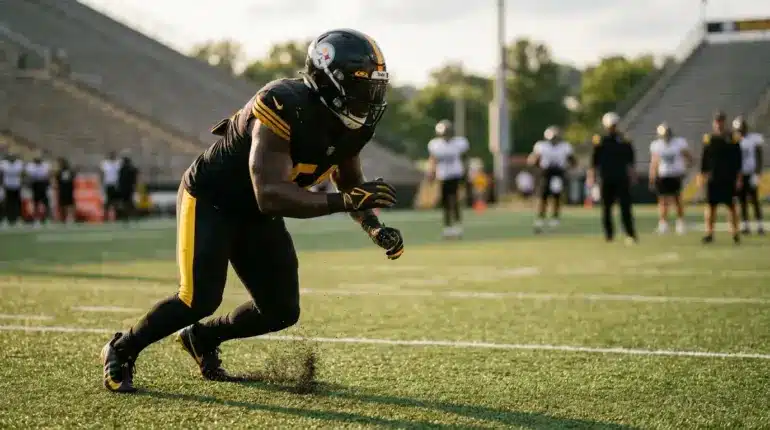

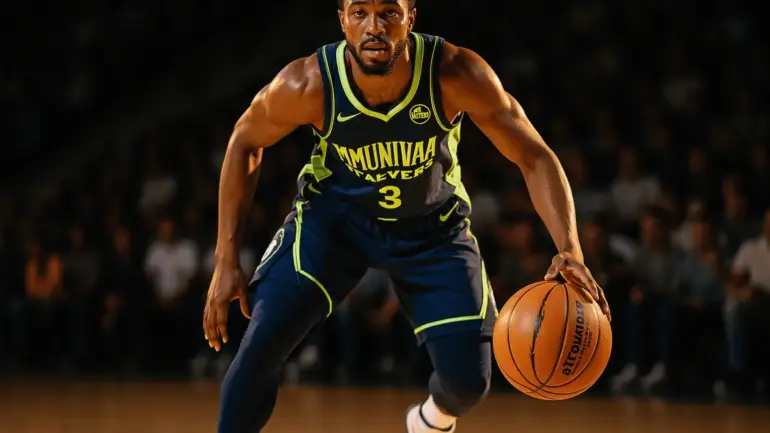
Ayo Dosunmu is staying in Minnesota on a five-year, $112 million contract, with Shams Charania confirming the agreement. The deal locks in the 26-year-old guard as a long-term core piece alongside Anthony Edwards. This is not a depth signing – this is a franchise-defining commitment to the backcourt that carried Minnesota deep into the playoffs.
Dosunmu Contract Structure and Cap Details
The agreement starts at approximately $19.3 million in 2026-27 and escalates to roughly $25.5 million in the final year, with a player option on year five. Agents Mike Lindeman and Jeff Schwartz of Excel Sports Management closed the deal in a late-night negotiating session with Timberwolves executives. Dosunmu slots in as approximately the fifth-highest-paid player on the roster next season.
The contract did not happen in isolation. A three-team trade sending Julius Randle to the Brooklyn Nets and Nic Claxton to the Chicago Bulls cleared roughly $33 million in cap space for Minnesota. That move was explicitly linked to creating the financial flexibility needed to retain Dosunmu. The Timberwolves manufactured the room and then spent it immediately.
The Playoff Run That Justified the Money
Dosunmu was acquired from the Chicago Bulls at the February trade deadline in a package that included Rob Dillingham, Leonard Miller, and four second-round picks. He had spent his entire NBA career in Chicago after being drafted 38th overall in 2021, developing into a two-way guard without ever receiving a long-term commitment from the Bulls.
The playoff sample changed everything. Dosunmu averaged 15.6 points across 10 postseason games with Minnesota, taking on expanded defensive assignments and higher usage next to Edwards. Timberwolves president Tim Connelly publicly identified re-signing him as a top offseason priority the moment Minnesota was eliminated in the Western Conference semifinals. That framing turned into a $112 million reality within weeks.
The Timberwolves’ roster-building approach this offseason has been aggressive and deliberate. Every major move connects back to a clear organizational vision: build around Edwards with high-character, two-way contributors and lock them in before they hit the open market.
Fantasy and Betting Implications
For fantasy managers, the Dosunmu deal is a signal worth acting on. A confirmed multi-year starting role next to Edwards and Jaden McDaniels means stable minutes and consistent defensive usage. Ball-dominant upside remains capped by Edwards‘ presence, but the 15.6-point playoff average is the floor estimate for what this role produces.
Minnesota now has Edwards, McDaniels, Naz Reid, and Dosunmu all under contract through at least the 2028-29 season. That core continuity is a positive signal for win-total betting markets heading into 2025-26. The probability that this group competes for a top-four seed in the West sits at roughly 65/35 in favor, assuming health holds across the rotation.
Jon Krawczynski of The Athletic noted that Dosunmu “would have had multiple suitors if he had reached the open market,” framing the speed of the agreement as Minnesota recognizing competitive market pressure and acting before it materialized. The Timberwolves paid a fair price to avoid a bidding war they might not have won.
What Minnesota’s Roster Looks Like Now
With Randle‘s salary off the books and Dosunmu signed, Minnesota’s remaining offseason work centers on complementary guard depth and wing options. How the front office deploys any remaining trade exceptions will clarify whether Dosunmu slides into a permanent starting role or shares creation duties with a future addition. That is the next roster decision worth tracking.
The broader NBA context matters here too. As other teams navigate the tension between star contracts and cost-controlled talent – similar to the approach the Mavericks took in restructuring around their draft assets – Minnesota chose the opposite path. They paid for proven postseason production and locked it in for half a decade.