
The Buffalo Bills traded out of the first round of the 2026 NFL Draft without adding a single edge rusher – and that is not a minor detail. It is the defining problem that shapes everything Brandon Beane does over the next two days.
Cashius Howell is still on the board. At No. 35 overall, the Bills have the pick to fix that problem tonight. The case for making it is not complicated. The case against it is thinner than most people realize.
The Bills’ Defensive Rotation Has a Gap Howell Can Fill
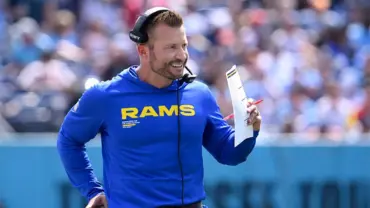
Buffalo’s defensive philosophy under Sean McDermott runs on a rotating front – fresh legs, consistent pressure, no single rusher carrying the full load. That system works when the depth behind the starters can hold up. Right now, it cannot.
The Bills enter Day 2 of the 2026 NFL Draft with edge rusher listed as a top need alongside linebacker, cornerback, and wide receiver. That is not a depth concern – that is a structural one. When veteran defensive talent is commanding the kind of capital that moved Dexter Lawrence to Cincinnati in April, cost-controlled Day 2 rushers become premium assets. Beane knows this. His track record in middle rounds reflects it.
The Bills have nine selections over the final two days, including picks at No. 35 and No. 66, plus four fourth-rounders. The draft capital is there. The need is real. What they require is the right player to walk into that role immediately and stress opposing quarterbacks from the jump.
What Cashius Howell Brings From Texas A&M
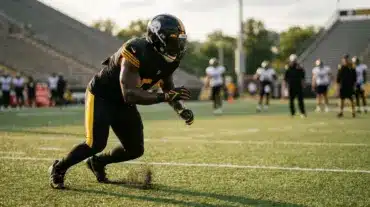
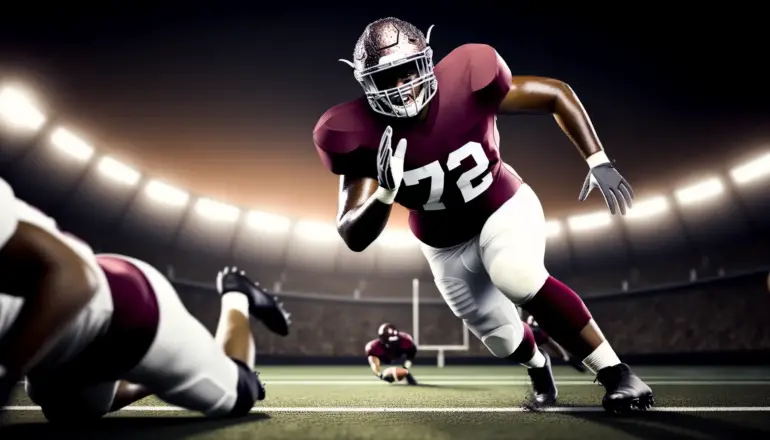
Howell’s path to this draft board is worth understanding before evaluating the pick. He began at Bowling Green, where he posted 11.5 sacks in 2023, then transferred to Texas A&M Football under coach Mike Elko as a three-star recruit turned Power Five disruptor. In a stacked SEC defensive front alongside Nic Scourton and Shemar Stewart, Howell posted 3.0 sacks and 17 quarterback pressures while earning a 91.4 pass-rush grade and 81.6 overall defensive grade from Pro Football Focus – in limited snaps, sharing a rotation with two players who declared for the NFL Draft early.
At the combine, he measured 6’3″, 253 pounds, and ran a 4.59-second 40-yard dash with a 1.58-second 10-yard split. More telling: he reached 14.52 mph turning the corner in the combine’s pass-rush drill – the fastest speed recorded by any defensive lineman since Will Anderson Jr. in 2022. That is not a number that shows up by accident.
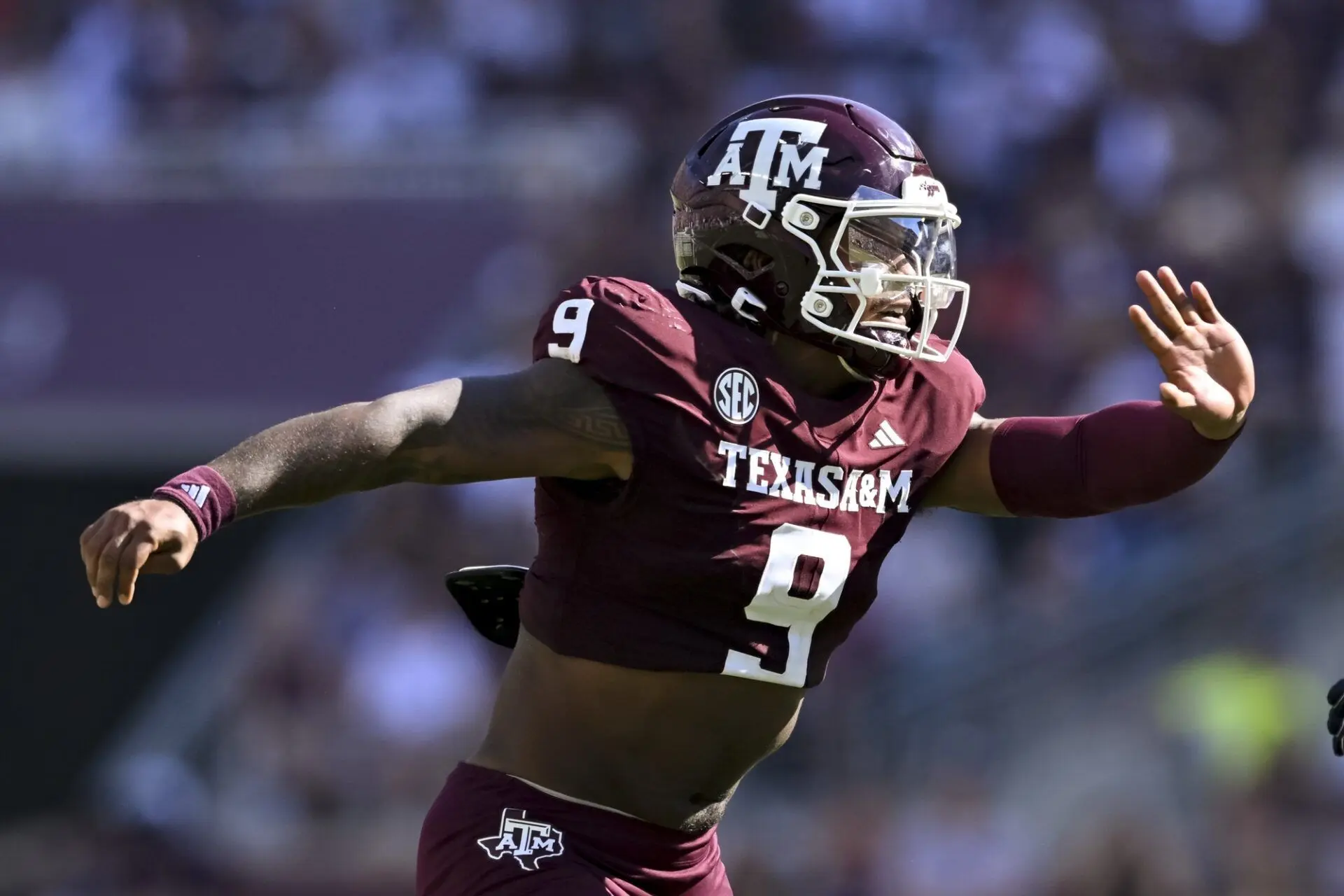
The complication scouts raised immediately was arm length: 30.3 inches, the shortest for a pure edge rusher since 1999. Bills Digest editor Alex Brasky called Howell a “freak athlete edge rusher” and warned that “it would be quite a shame if the Bills don’t pounce and they miss out.” Analysts at The Ringer placed him as a top-25 talent on tape – dropped to Day 2 value purely by the tape measure, not the film.
Why Howell’s Profile Complements Buffalo’s Front Four
Buffalo’s defensive scheme asks its edge rushers to function as sub-package speed threats – players who can win one-on-one with a first step before the pocket has time to set. Howell does exactly that. His two primary pass-rush moves are a speed rush and a power counter, and his edge-shaving ability – reaching that 14.52 mph corner speed – is the kind of trait you cannot manufacture in an NFL weight room.
He thrives in four-man fronts, which aligns directly with the structure McDermott’s defense has used consistently. As a rotational piece in Year 1 who can develop into a full-time starter, his profile fits the Bills’ timeline without asking him to do things his frame does not yet support.
The alternative at No. 35 if Howell is gone is Georgia linebacker CJ Allen – a legitimate prospect and a strong run defender, but a pivot, not a preference. Brasky was direct: “If they don’t pick Howell in the second round on Friday, selecting Allen would be a good pivot.” The word choice matters. A pivot is what you run when the primary route is covered. Howell is still open.
The Case Against Howell in Round 2
Here is the pushback you will hear most: his arm length is a legitimate red flag for teams that need their edge rusher to set the edge against the run and shed blocks at the point of attack. At 30.3 inches, Howell will struggle against larger offensive tackles in early-down situations. His NFL role, at least initially, projects as a pass-rush specialist – not a three-down starter.
There is also draft position risk. If another team ahead of Buffalo identifies the same value and moves up, the Bills are holding a pick for a player who is no longer available. Buffalo’s fanbase has lived through enough Day 2 near-misses to know that “he should still be there” is not a guarantee. Beane may need to consider moving up a few spots to secure him – which costs capital from a board already loaded with picks.
Bottom Line
The NFL Draft rumors circling Howell all point in the same direction: top-25 talent available on Day 2 because of a measurement, not a football reason. The Buffalo Bills have the pick, the need, and a GM in Brandon Beane who has built his reputation on finding exactly this type of value in exactly this round. Howell is the answer to the Bills’ most pressing defensive question. The only variable left is whether the board cooperates.