
Sam Presti said last September that nothing about the second apron would stop him from keeping the Oklahoma City Thunder together.
That promise has now been tested in the most concrete way possible. Over the past few weeks, the Thunder have traded away Lu Dort, Isaiah Joe and Aaron Wiggins, reshaping a roster that was staring down a payroll well north of $250 million before a single move was made.
The Thunder lost a Game 7 to the San Antonio Spurs in the conference finals in May, ending their title defense. The rebuilding of the payroll picture that followed has turned out to be the bigger story of the summer.
What The Payroll Cliff Actually Looked Like
The core salary explosion was never subtle. Chet Holmgren jumps from $13.7 million to $41.5 million this season. Jalen Williams moves from $6.5 million to that same $41.5 million figure. Combined with Shai Gilgeous-Alexander’s $40.3 million, the three-man core alone now costs $123.8 million, up from a combined $58.5 million last season.
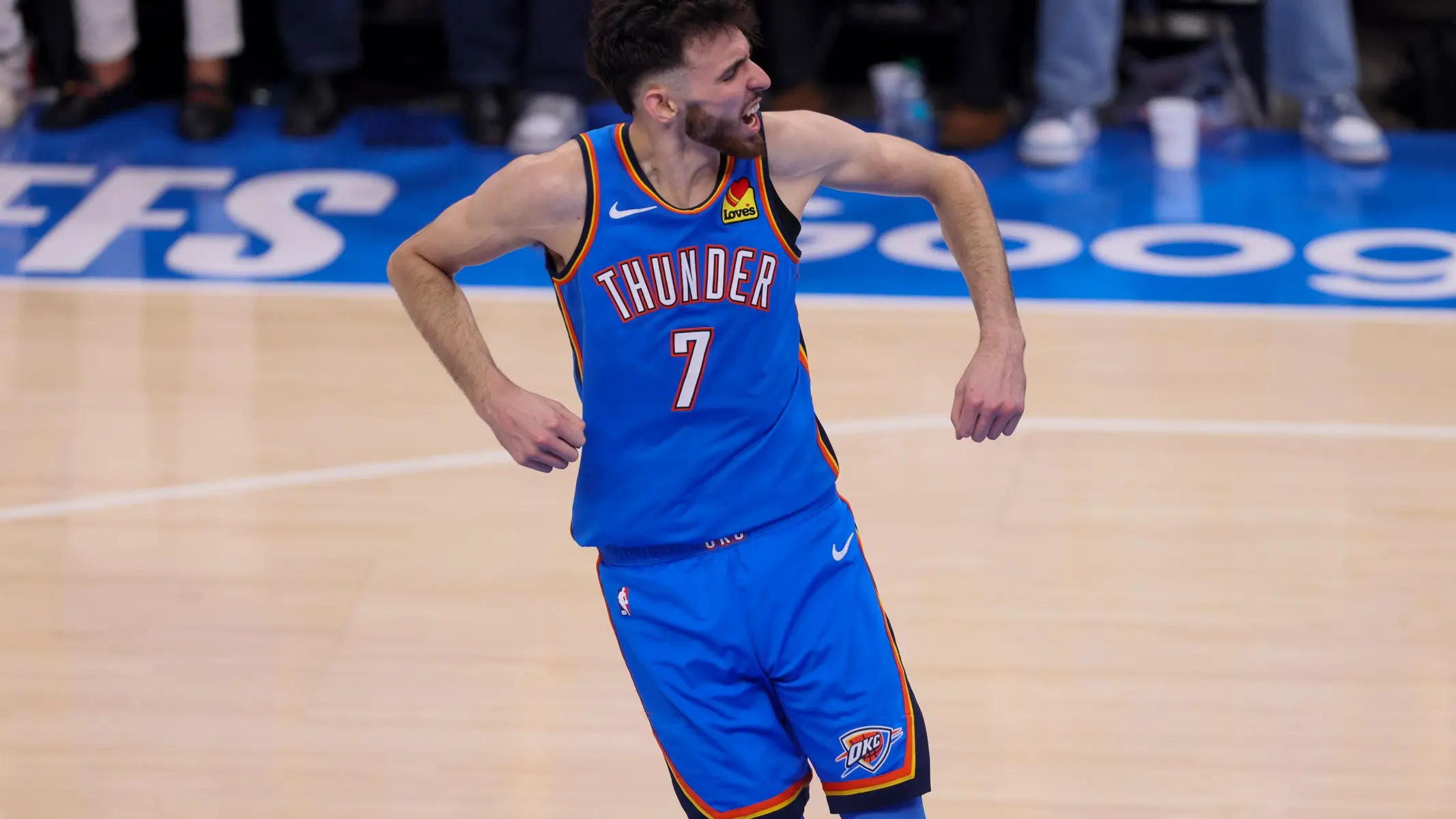
The Thunder’s team salary was a manageable $186.7 million last season, sitting below the tax line for the sixth straight year. That era is over. The second apron now governs almost every roster decision Presti makes.
The Trades That Actually Happened
Oklahoma City moved fast once free agency opened. Isaiah Joe and Aaron Wiggins were traded away without the Thunder taking back any meaningful salary, a pair of moves that alone knocked roughly $140 million off the tax bill. Dort followed soon after, sent to the Atlanta Hawks in a three-team deal with Dallas that brought back three future second-round picks rather than a player.
Those three averaged a combined 10.7 points in the conference finals loss to the Spurs. Moving them was never about upgrading the roster. It was about surviving the apron math while protecting the core that matters. Kenrich Williams’ $7.2 million team option was declined, and he then agreed to return on a cheaper, one-year, $5 million deal using his Bird rights.
Isaiah Hartenstein’s $28.5 million option was always expected to be picked up, and it was, followed by a new three-year, $75 million contract that keeps him in Oklahoma City. His effectiveness defending Victor Wembanyama in the Spurs series made that priority clear well before the numbers were finalised. For more on how the frontcourt trade market is shifting around the league this summer, recent moves involving other contenders tell a similar story about cap discipline.
What The Moves Have Bought Oklahoma City
With Dort gone, Cason Wallace steps into the starting shooting guard role, a natural next step after his breakout postseason run and All-Defense recognition. The trade also sets up a future decision on Wallace’s own extension, since Gilgeous-Alexander’s next pay rise will push the Thunder toward the second apron all over again as soon as next summer.
Even with the cost-cutting, the Thunder’s payroll still sits close to $234 million, roughly $13 million over the second apron, and their luxury tax bill remains north of $100 million. Presti has trimmed the roster without gutting it, which was always the stated goal.
What Presti Actually Said, And What It Means Now
The headline-generating quote came in September, buried inside a lengthy preseason press conference. Presti said the second apron would not prohibit keeping anyone on the roster. He also described ownership as fiercely committed to supporting the team, citing a new arena opening for 2028-29, a fresh TV deal, and possible league expansion as incoming revenue drivers.
The relevant line from that same address still holds up. Presti said the Thunder would not face repeater tax penalties until the next collective bargaining cycle, by which point the new arena would already be open. That is the window Presti has been managing toward, not any single offseason in isolation.
The Real Financial Reckoning Is Still A Year Out
The true stress test for Clay Bennett and the ownership group arrives in summer 2027, when Gilgeous-Alexander’s extension kicks in at $61 million and eventually climbs to a $75.6 million player option. The moves made this summer were preparation for that moment, not a panicked reaction to a seven-game series loss.
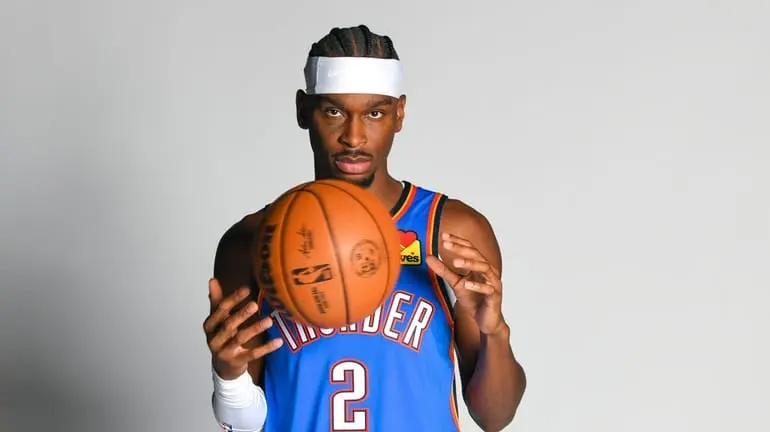
Oklahoma City used its 2026 first-round picks on Aday Mara and Bennett Stirtz, continuing the club’s pattern of using the draft to backfill roster spots cheaply. Their draft war chest remains one of the league’s largest even after those selections, giving Presti currency to keep replacing trimmed role players without paying market rate for veteran depth.
This is not a rebuild signal. It is the same asset-accumulation discipline that built this roster in the first place, now being applied to payroll architecture instead of the draft board. The parallel to how other front offices are navigating cap complexity is worth tracking, and salary cap mechanics are reshaping major trade decisions across the league this summer too.
The Thunder have already done the hard part of this offseason. The harder conversation, about what happens when Gilgeous-Alexander’s raise lands next summer, is the one Presti is actually bracing for.