

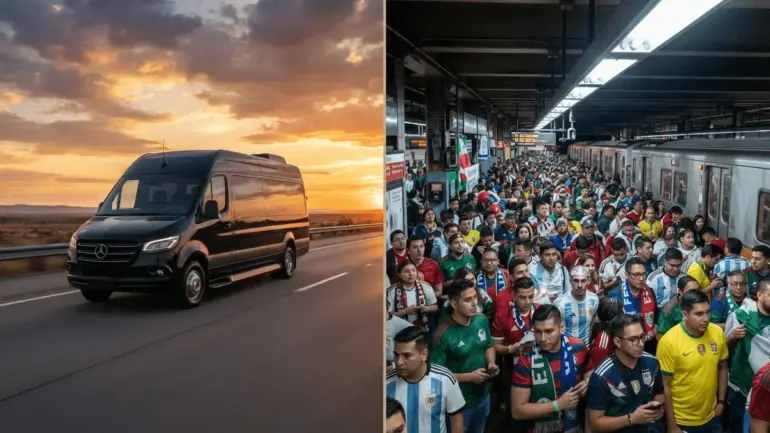
Rob Copeland of The New York Times reported a stark contrast in travel experiences for World Cup 2026 fans at MetLife Stadium. While ordinary fans endure long waits and crowded NJ Transit trains, a group of top executives and clients associated with Qatar’s sovereign wealth fund traveled in private Mercedes-Benz Sprinter vans marked with a ‘Q’, escorted by private security authorized by FIFA. This group bypassed standard security checkpoints and enjoyed private suite access to watch the Ecuador versus Germany match, then returned in air-conditioned comfort.
Bet On The World Cup With Leading Sportsbooks
| Sportsbook | Welcome Bonus | Claim Offer |
|---|---|---|
 |
50% Up To $250 In Free Bonuses | Bet Now |
 |
125% Welcome Bonus Up To $1,250 | Bet Now |
 |
$250 Welcome Bonus For World Cup | Bet Now |
 |
100% Welcome Bonus Up To $2,500 | Bet Now |
The VIP Bubble Around MetLife Stadium
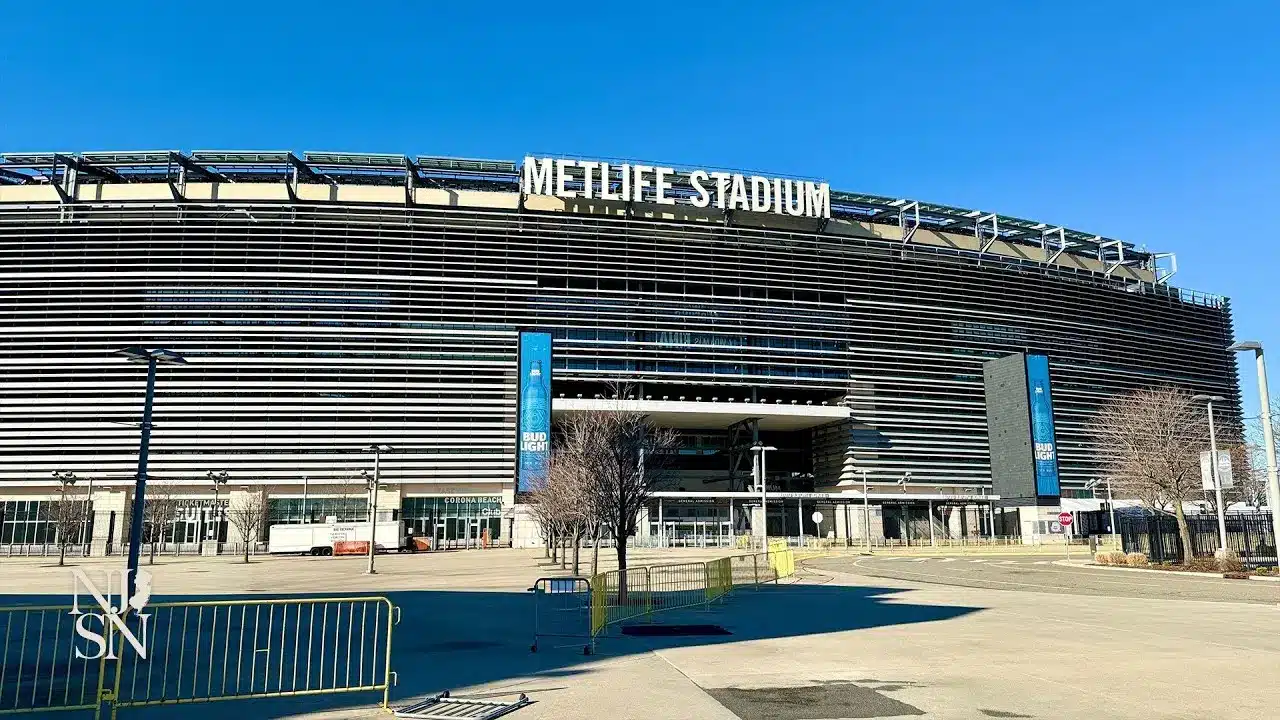
Outside the Solow Building on Fifth Avenue, four men in matching maroon suits and white hats guarded a pair of Mercedes-Benz Sprinter vans marked with a “Q” on the windshields. According to people briefed on the situation and an invitation viewed by The New York Times, these vans transported top clients of Qatar’s sovereign wealth fund directly to a private suite at the stadium, bypassing usual security stops on the way.
Meanwhile, most fans faced a nine-mile journey from Manhattan to MetLife Stadium via yellow school buses and NJ Transit trains, often in crowded and uncomfortable conditions. This reflects a significant divide in the tournament experience within the same event.
What the Ultra-Wealthy Are Actually Spending
The skies above the Hamptons are packed with helicopters headed to World Cup matches, as reported by The New York Times. Helicopter transfers can cut a typical 90-minute Manhattan-to-stadium commute to approximately 15 minutes, according to Flapper, a private aviation operator involved in the tournament.
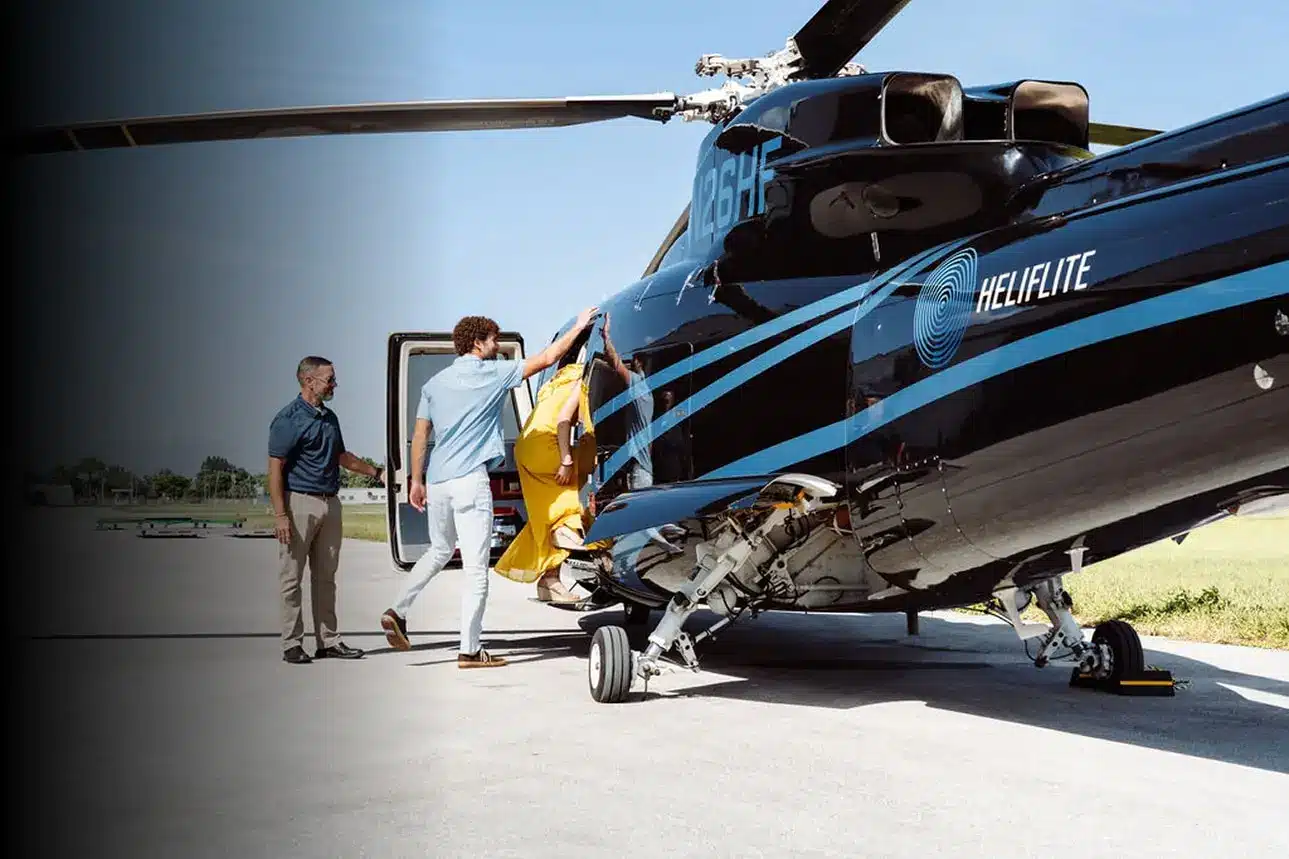
Transatlantic private jet charters from Europe average around $165,000 per flight, according to reporting from the Journal Record. Hourly charter rates range from $2,000 for turboprop aircraft to over $23,000 for VIP wide-body airliners, according to Paramount Business Jets. Special event landing fees at New York-area private terminals can reach up to $12,000 per landing on peak match days, based on information from Paramount Business Jets.
One luxury operator offers a six-person finals package at MetLife Stadium with front-row midfield seats and on-field trophy presentation access, priced at $4 million. Another package priced at $187,000 includes presidential suite nights, four nights at the St. Regis Longboat Key, private chauffeur service to Hard Rock Stadium, yacht tours, and butler service, according to reports.
A Tournament Built Across 16 Cities and 2,500-Mile Routes
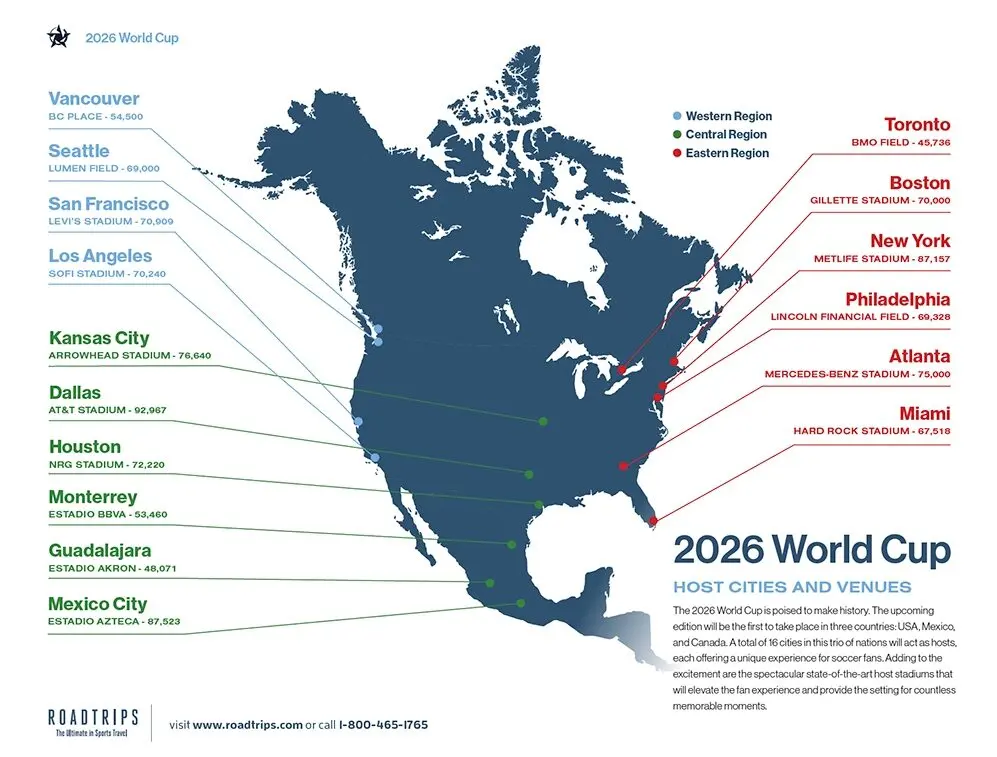
World Cup 2026 features 104 matches across 16 host cities in the United States, Canada, and Mexico, with some inter-city routes exceeding 2,500 miles. This expansive scale is causing strain on commercial aviation. FIFA’s expanded 48-team format increased logistical pressure, and private aviation operators are benefiting from congested commercial travel routes.
Demand for private charters is expected to double during quarterfinals and increase up to tenfold around the final, according to Flapper. According to Flapper, Los Angeles is the most requested city for private bookings. Ultra-long-range jets like the Global 7500 and Gulfstream G650ER are reportedly rerouted to airports such as Morristown or Newark due to weight restrictions at MetLife Stadium’s facilities when fully fueled.
Inequality Built Into the Infrastructure
This situation is not just about wealthy fans choosing premium seating; it represents a parallel infrastructure system, supported by FIFA, that allows the ultra-wealthy to bypass common fan experience frictions. Dedicated security clearance, private helicopters, luxury travel packages, and exclusive motorcades are integral parts of this system.
Ordinary ticket holders face high secondary market ticket prices for finals matches, often exceeding $10,000, making attendance costly even before transportation expenses are considered. The divide in transport options adds another layer to the financial barriers many fans face.
The dual-tiered World Cup experience is already in place, with the gap between VIP accommodations and mass transit users widening as the tournament progresses into the knockout rounds.