
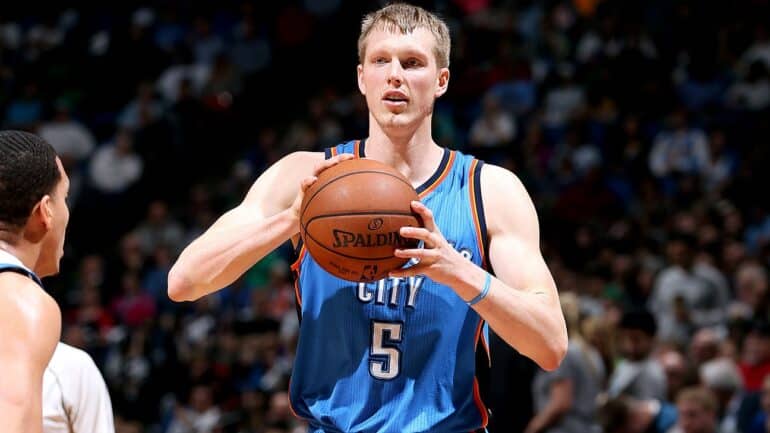
Former Duke star and NBA player Kyle Singler was arrested in Oklahoma and charged with domestic assault. His fall from NCAA champion to post-career struggles raises new questions about athlete support and mental health after sports.
Kyle Singler, once one of college basketball’s most celebrated players, is now facing alarming allegations. The 37-year-old was arrested in Whitefield, Oklahoma, after authorities responded to a report of domestic violence involving his girlfriend.
Deputies said Singler chased the woman outside a residence and allegedly assaulted her while their child was present. Officials also claimed he appeared to be under the influence of narcotics and noted visible marks on the woman’s face and arms.
Kyle Singler in jail for domestic. 😔 pic.twitter.com/8AW0wRHBYN
— Logan (@LoganAndrew99) October 24, 2025
Singler was a star at Duke University, earning the Final Four Most Outstanding Player honor in 2010 as he helped lead the Blue Devils to a national championship. He later played several seasons in the NBA with the Detroit Pistons and Oklahoma City Thunder after being selected 33rd overall in the 2011 NBA Draft.
The trajectory looked stable and successful. Yet the years after his retirement have revealed a more complicated reality.
Warning signs and the mental strain of sports retirement
In November 2024, Singler posted concerning messages and videos on social media. He expressed fears for his safety and spoke of being mistreated and overwhelmed.
The National Basketball Players Association and several former teammates reportedly reached out to offer help. However, very few details were shared with the public, and it remains unclear how much support he actually received.
Duke basketball legend Kyle Singler OKC Thunder ‘14-17 tough buckets/3-point shooting highlights https://t.co/AfNlgZRDo5 pic.twitter.com/idWnKfP6H9
— 𝒃🏀 (@HiddenNBA) October 3, 2025
The arrest now brings a larger issue into focus. Many athletes experience an abrupt identity drop once their playing career ends.
While teams and fans celebrate them in their most visible years, the structure and support often disappear once they step away from the game.
Singler’s path forces the question: What happens to athletes when the applause stops?
For the sports industry, the case is another example that successes in the arena do not guarantee stability in personal life.
Authorities allege that Singler’s behavior during the incident was erratic and potentially influenced by substance use. The presence of a child makes the situation even more tragic.
Aftermath and reflection
The allegations now move into the legal system, where accountability will be determined. But beyond the immediate charges, Singler’s story highlights a gap in the support former athletes receive in terms of mental, emotional, and social support.
The transition from highly structured professional athletics to everyday life can be turbulent. Without strong resources and continued guidance, the risks grow.
Kyle Singler was once the hero who cut down the nets on college basketball’s biggest stage. Today, he is a cautionary story about how quickly fame and stability can unravel.
For universities, leagues, and agents, the lesson is clear. The responsibility to prepare athletes for life after sports should not end on the day they retire.