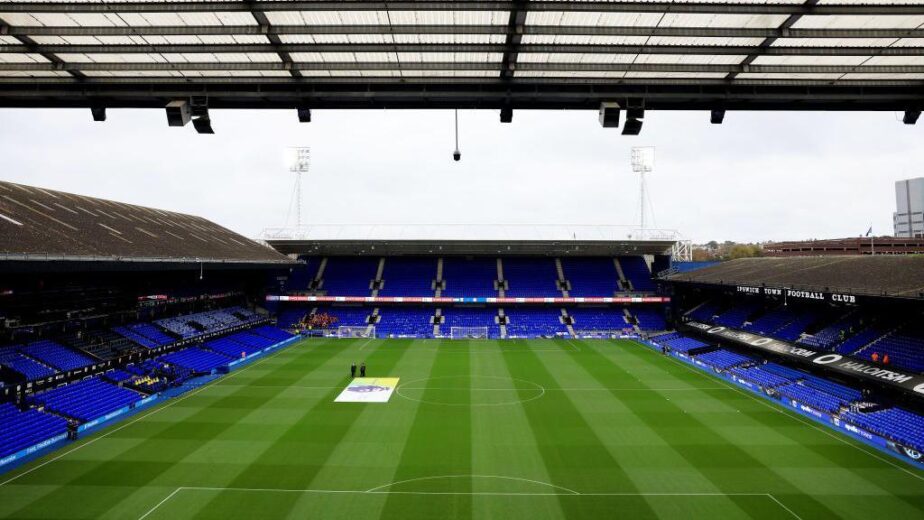

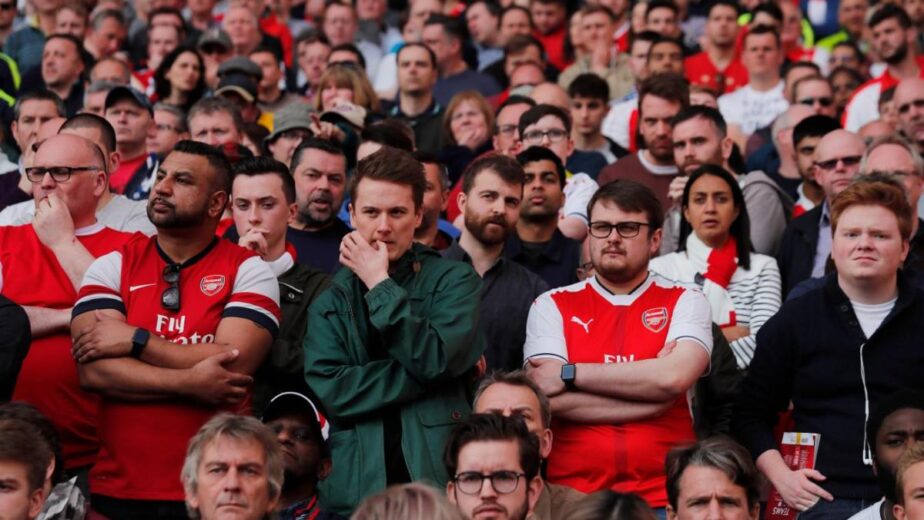
The disconnect between the Premier League’s “match-going” lifeblood and its multi-billion pound broadcast partners has reached a boiling point.
Arsenal supporters have taken to social media to express their absolute fury after the Gunners’ upcoming clash against Burnley was moved to a Monday night slot for Sky Sports coverage.
The change, which shifts the game from its original weekend slot to a 20:00 BST kickoff on a Monday, has sparked a wave of condemnation led by prominent fan voices.
Darren, a well-known figure among the Arsenal faithful (known on X as @DarrenArsenal1), summed up the sentiment of thousands: “Yet another Arsenal game moved to Monday night… Fans are the last consideration for Sky and the Premier League.”
Sky Sports Under Fire for Arsenal vs. Burnley Rescheduling
For the average supporter, a Monday night game isn’t just a slight inconvenience—it is a logistical nightmare.
For Arsenal fans based in London, a late Monday kickoff means a frantic dash across the city after work and a post-midnight arrival home.
For those travelling from further afield, it often necessitates booking a day of annual leave and securing overnight accommodation.
The anger directed at Sky Sports stems from a perceived lack of empathy for the “customer” in the stadium.
While the broadcaster pays record sums for the rights to show these matches, fans argue that the atmosphere—which Sky uses to sell its “product”—is being systematically destroyed by scheduling that makes attending matches nearly impossible for regular people.
The Cost of Being a Fan: Why Monday Night Football is Failing
The scheduling row comes at a time when the cost of following a Premier League team is at an all-time high.
Between rising ticket prices, train fares, and the necessity of multiple streaming subscriptions (Sky, TNT, and Amazon), many supporters feel they are being squeezed dry.
-
Logistical Hurdles: Public transport options are often reduced on weeknights, making return journeys difficult for away fans and those living outside the capital.
-
Atmosphere Erosion: Late-night kickoffs on workdays often lead to empty seats or a more subdued crowd, which many believe impacts the “home advantage” at the Emirates Stadium.
-
Lack of Notice: Supporters often book travel and hotels weeks in advance, only for the “TV picks” to render those bookings non-refundable and useless.
Arsenal Supporters’ Trust and Fan Groups Respond
It isn’t just individual fans speaking out. Major fan groups and the Arsenal Supporters’ Trust have long campaigned for “meaningful consultation” regarding fixture changes.
The consensus is that the Premier League is prioritising global television audiences over the local communities that have supported these clubs for over a century.
The phrase “Football without fans is nothing” is frequently cited in these debates, but as one supporter noted on X, “It feels like they’ve changed the slogan to ‘Football without TV money is nothing.'”
Will the Premier League Listen to the Backlash?
While the outrage is palpable, history suggests that broadcast schedules will continue to reign supreme.
With Arsenal currently embroiled in a high-stakes title race, every fixture is “premium content” for Sky Sports.
However, the intensity of this latest backlash suggests that the patience of the match-going fan has finally worn thin.
As the Premier League prepares for its next domestic rights cycle, the pressure is mounting for a “Fans’ Charter” that guarantees a minimum notice period for changes and a cap on the number of Monday night games any single club has to play in a season.
Until then, Arsenal fans are left to count the cost of another disrupted week in the name of “Live on Sky.”