
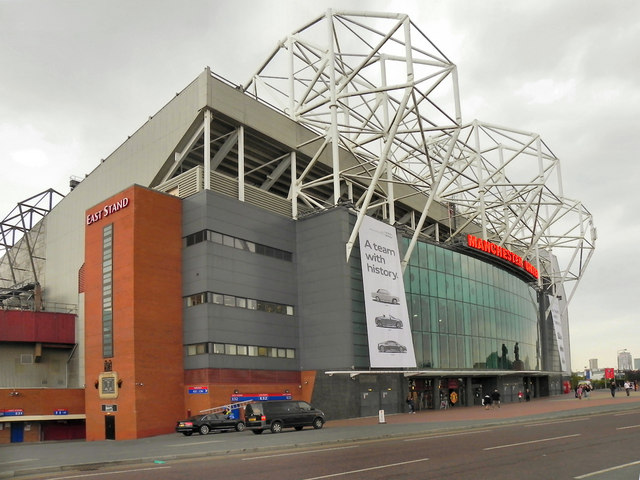
Old Trafford’s decline – aging infrastructure, leaks, and outdated facilities – has left Manchester United with no choice but to build a brand-new stadium.
Old Trafford has been Manchester United’s home for over a century, but in recent years, the stadium has fallen into disrepair.
Despite its historic significance and status as England’s largest club ground, it has become outdated and unable to meet modern footballing and commercial demands.
This decline has led the club to unveil plans to build a completely new stadium.
What’s Wrong With Old Trafford?
Lack of Investment and Modernisation
The last major renovation at Old Trafford took place in 2006, when 8,000 seats were added to the north-west and north-east quadrants.
However, since the Glazers took control of the club in 2005, there has been little investment in upgrading the stadium.
As a result, Old Trafford has been left behind while rival clubs such as Manchester City, Tottenham, and Liverpool have expanded or built state-of-the-art venues.
Structural issues have become increasingly evident. One of the most notable incidents occurred in May 2024, when areas of the stadium flooded following a thunderstorm, with water leaking through the roof.
Such problems highlight the deteriorating condition of the ground and the need for urgent improvements.
Inferior Facilities and Fan Experience
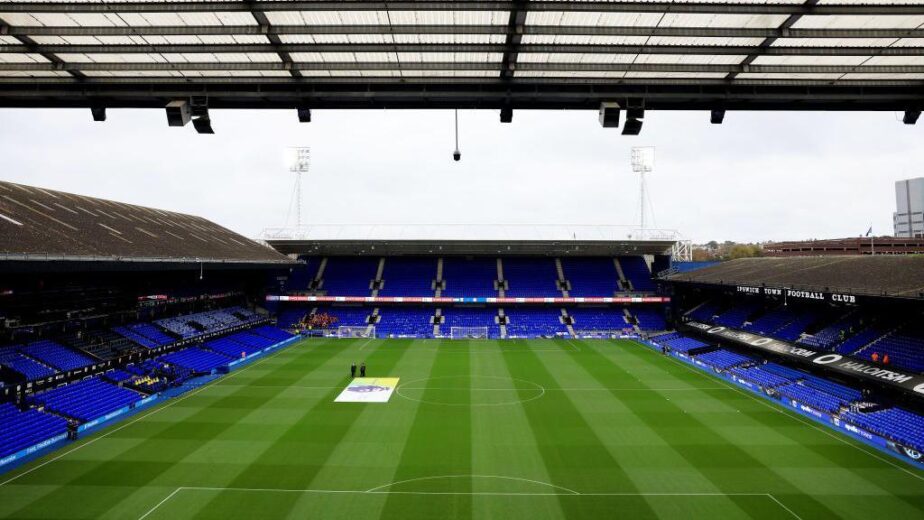
While Old Trafford remains an iconic venue, it lags behind other stadiums in terms of infrastructure and fan experience.
Inside the ground, there are numerous complaints about:
- Leaking Roofs – Persistent water leaks during heavy rain create discomfort for fans.
- Cramped Concourses – Limited space makes it difficult for supporters to move around before and after matches.
- Limited Food and Drink Options – The stadium offers fewer choices compared to modern football venues, and in 2023, Manchester United even served raw chicken at a hospitality event, leading to a downgraded food hygiene rating.
- Poor Technology – Small scoreboards and unreliable Wi-Fi make for a second-rate matchday experience.
In contrast, clubs like Tottenham and Manchester City have invested heavily in ultra-modern facilities, offering world-class hospitality and commercial opportunities that United simply cannot match at present.
Old Trafford’s Exclusion from Euro 2028
Perhaps the most damning indictment of Old Trafford’s decline is its omission from Euro 2028’s host stadiums.
Despite being England’s largest club stadium, it was overlooked in favour of venues such as the Etihad Stadium, Tottenham Hotspur Stadium, and even Everton’s new 52,000-seater ground.
The reason? A lack of certainty around redevelopment plans and the stadium’s outdated infrastructure.
Challenges of Redevelopment
One of the biggest obstacles to renovating Old Trafford is the South Stand, which backs onto a railway line.
Expanding this section has been deemed logistically difficult and expensive.
As a result, a complete rebuild on nearby land is likely a more viable long-term solution than attempting to upgrade the current structure.
The Future: A New 100,000-Seater Stadium
With the backing of Sir Jim Ratcliffe and the Old Trafford Regeneration Task Force, Manchester United are now pushing forward with plans to construct a brand-new stadium.
The new ground would accommodate 100,000 fans, making it one of the largest in world football.
The project is expected to bring massive economic benefits, with estimates suggesting it could generate £7.3 billion annually and create 92,000 jobs.
Former manager Sir Alex Ferguson supports the move, stating, “Old Trafford holds so many special memories for me personally, but we must be brave and seize this opportunity to build a new home, fit for the future, where new history can be made.”
Overall, Old Trafford remains one of the most historic stadiums in football, but its decline has left Manchester United with a crucial decision to make.
With outdated facilities, poor infrastructure, and increasing competition from rival clubs, a new stadium appears to be the best way forward.
If plans proceed as expected, the next generation of United fans may soon be watching their team in a world-class, state-of-the-art venue that secures the club’s long-term future.